
Homeowner Foundation Repair Workflow for Texas Homes
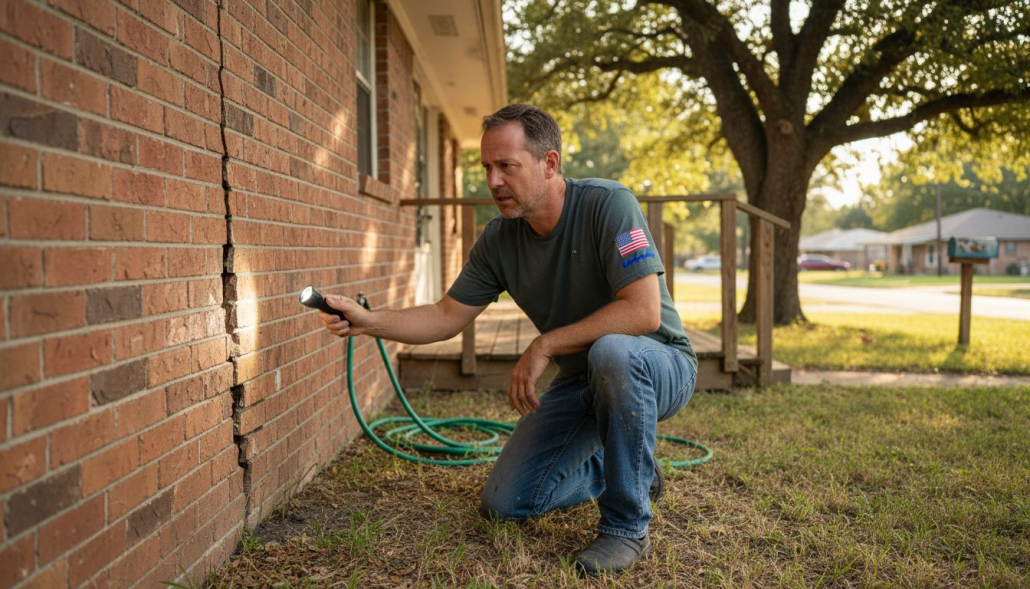
Cracks forming in your Texas home’s foundation can turn everyday worries into urgent concerns, especially with clay soil in Houston, Austin, Dallas, or San Antonio. Early detection of these issues is key to preventing expensive problems. This guide equips you with a proven workflow for identifying warning signs, documenting damage, and connecting with licensed Texas engineering professionals who provide reliable solutions for foundation repairs.
Table of Contents
- Step 1: Evaluate Visible Signs Of Foundation Issues
- Step 2: Consult Licensed Texas Engineering Professionals
- Step 3: Select And Schedule Foundation Repair Services
- Step 4: Verify Completed Repairs And Document Quality
Quick Summary
| Key Point | Explanation |
|---|---|
| 1. Inspect foundation for cracks | Look for horizontal, diagonal, or stair-step cracks to identify potential structural issues. Document findings with photos. |
| 2. Consult a licensed engineer | Hire a structural engineer aware of local conditions for a comprehensive assessment and repair recommendations based on your inspection. |
| 3. Choose qualified repair contractors | Obtain multiple quotes from licensed contractors, ensuring they have relevant experience and can provide written warranties for their work. |
| 4. Verify repair quality upon completion | Conduct a final inspection to confirm all work meets specifications and obtain documentation for warranties and future references. |
| 5. Document everything for future needs | Keep organized records, including reports, invoices, and photos, to support insurance claims and maintain your home’s value over time. |
Step 1: Evaluate visible signs of foundation issues
Your foundation is the backbone of your Texas home, and spotting problems early can save you thousands in repairs. This step walks you through recognizing the warning signs that indicate foundation trouble so you can determine whether professional evaluation is needed.
Start by examining the exterior foundation for visible damage. Walk around your home’s perimeter and look for cracks in concrete, brick, or stone. Not all cracks are serious, but certain patterns warrant attention.
What to look for on the exterior:
- Horizontal cracks running across foundation walls
- Diagonal cracks at 45-degree angles
- Stair-step patterns in brick mortar
- Crumbling or deteriorating mortar between stones or bricks
- Gaps between the foundation and the home’s siding
- Water stains or efflorescence (white, chalky deposits)
Understanding mortar and stone foundation conditions helps you assess whether damage is cosmetic or structural. Look closely at whether cracks are growing, whether mortar is crumbling, and if you can fit a knife blade into any openings.
Move indoors and inspect your crawlspace or basement walls. Bring a flashlight and note any cracks, water damage, or moisture. Look for mold growth, rust stains, or efflorescence that suggest water intrusion or foundational shifts.
Check interior walls and ceilings for diagonal cracks near doorways and windows. These often indicate foundation settlement. Walk across floors and note any sloping, bouncing, or uneven surfaces.
Cracks smaller than 1/8 inch are typically cosmetic, but anything wider needs professional assessment to determine if structural movement is occurring.
Don’t overlook the foundation perimeter. Check how water drains around your home. Standing water, poor grading, or vegetation pushing against the foundation can accelerate damage. If you’re in Houston, Austin, Dallas, or San Antonio, Texas soil conditions make drainage especially important since clay soils expand and contract with moisture.
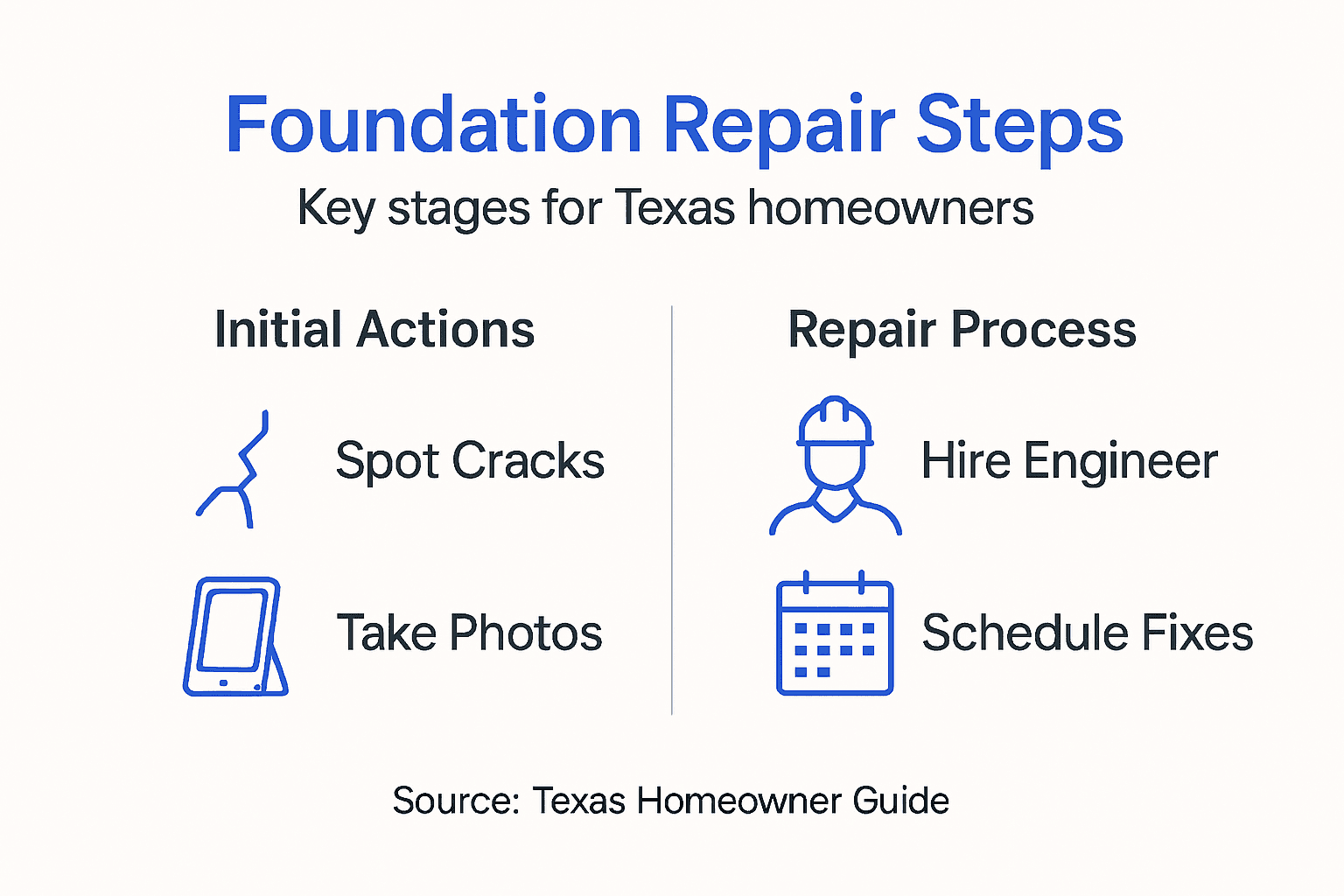
Document what you find by taking photos and noting the location and size of any damage. This record helps you track whether issues are progressing and provides valuable information when you contact a licensed structural engineer.
Here’s a quick reference table summarizing interior and exterior foundation warning signs and what they may indicate:
| Area of Inspection | Warning Sign | Possible Underlying Issue |
|---|---|---|
| Exterior | Horizontal cracks in walls | Possible soil pressure or movement |
| Exterior | Stair-step cracks in brick | Foundation settling or shifting |
| Interior | Diagonal cracks near doors/windows | Structural movement or settlement |
| Interior | Sloping or bouncy floors | Loss of structural support |
| Both | Efflorescence or water stains | Moisture intrusion impacting foundation |
Pro tip: Use a measuring tape and smartphone photos to document all cracks with their dimensions and location—this creates a baseline record that helps engineers determine if your foundation is actively moving or stable.
Step 2: Consult licensed Texas engineering professionals
Now that you’ve documented the visible signs, it’s time to bring in the experts. A licensed structural or civil engineer can determine whether your foundation issues require repair and what solutions make sense for your specific situation.
Start by understanding what you need. Structural engineers specialize in analyzing how forces affect your home’s foundation and recommend repairs that restore stability. They provide the professional assessment required by most insurance companies and lenders when foundation damage occurs.
Texas requires engineers to be licensed by the Texas Board of Professional Engineers. This credential ensures they’ve met rigorous education, experience, and ethics standards. When you contact an engineer, always verify their license status and confirm they have experience with residential foundation issues in your area.
What to look for when selecting an engineer:
- Licensed Professional Engineer (PE) credential in Texas
- Experience with residential foundation repairs in your region
- Willingness to provide a written structural evaluation
- Understanding of Texas soil conditions and clay soil behavior
- References from recent foundation repair projects
When reaching out, have your documentation ready. Share the photos and measurements from your initial inspection. This helps the engineer determine whether they need to visit your home or if additional assessment is necessary. Licensed Texas engineers maintain professional standards that ensure your evaluation meets state regulations and building codes.

Be prepared to discuss your home’s age, construction type, and any previous repairs. Engineers also ask about drainage patterns, recent weather events, and whether cracks have grown over time. This context helps them identify whether foundation movement is active or stable.
The engineer will conduct a thorough inspection, possibly including measurements, soil analysis, and structural calculations. They’ll provide a written report detailing findings and repair recommendations with cost estimates for different solutions.
Choose engineers who provide detailed written reports, not just verbal assessments—you need documentation for insurance claims, permits, and any future property transactions.
In Texas cities like Houston, Austin, Dallas, and San Antonio, engineers understand local soil challenges and regional building practices. They can explain your options clearly and help you prioritize repairs based on safety and urgency.
Pro tip: Request multiple engineer evaluations if costs vary significantly—different structural approaches may be equally valid, and comparing assessments helps you make confident decisions about which repair path fits your home and budget.
Step 3: Select and schedule foundation repair services
With your engineer’s report in hand, you’re ready to choose a repair contractor and schedule the work. This step ensures you select a qualified company and establish a realistic timeline for repairs.
Start by gathering multiple quotes from licensed foundation repair contractors. Ask each contractor to review your engineer’s report and provide a detailed estimate that matches the recommended repair approach. Don’t automatically choose the lowest bid—quality and experience matter more than price alone.
What to evaluate when choosing a contractor:
- Licensed and insured foundation repair specialists
- Experience with your specific repair type (pier and beam, slab repair, drainage, etc.)
- References from recent projects in your Texas city
- Written warranty on repair work
- Clear timeline and project schedule
- Detailed scope of work in writing
Verify that each contractor holds proper licenses and liability insurance. In Texas, foundation repair companies should be able to demonstrate compliance with local building codes and permitting requirements. Ask whether they’ve worked on homes similar to yours in Houston, Dallas, Austin, or San Antonio.
Understanding integrated planning between design and construction phases helps you see why timing matters. A good contractor sequences repair activities efficiently to minimize disruption to your home while ensuring proper execution of each phase.
During your contractor meetings, discuss realistic timelines. Simple repairs might take days, while major foundation underpinning can take weeks. Ask about weather dependencies, soil conditions, and whether crews will work around your schedule.
Confirm what happens during repair work. Will access routes be marked? How will dust be controlled? When can you return to normal activities? Get answers in writing so expectations align before work starts.
Choose a contractor who explains the repair process clearly and provides a written schedule with milestone dates—you need visibility into progress and completion timelines.
Once you’ve selected your contractor, secure any required permits. Your engineer’s report usually supports the permit application. Factor permit approval time into your overall schedule, especially in urban areas where reviews take longer.
Finally, establish a signing date and confirm start dates well in advance. Good contractors book projects weeks ahead, so flexibility in your timeline might mean faster completion.
To help you compare foundation repair contractors, use this table to evaluate important selection factors:
| Contractor Evaluation Factor | Why It Matters | What to Confirm |
|---|---|---|
| Licensing & Insurance | Legal compliance, protects homeowners | Valid state license and liability insurance |
| Recent Local Experience | Understanding of area soils and codes | Projects in your Texas city/neighborhood |
| Written Warranty | Ensures repair support long-term | Clear terms for coverage and duration |
| Detailed Project Timeline | Sets expectations for repair duration | Step-by-step schedule, start/completion dates |
Pro tip: Ask contractors about payment schedules before signing—reputable companies typically don’t demand full payment upfront and instead stage payments tied to completion of major work phases.
Step 4: Verify completed repairs and document quality
Repair work is complete, but don’t consider it finished until you’ve verified quality and documented everything. This step protects your investment and ensures repairs meet standards and warranty requirements.
Schedule a final inspection before signing off on the project. Walk through the work site with your contractor and engineer to confirm all repairs match the original plan. Check that work areas are clean, debris is removed, and your home is safe for normal use.
Key items to verify during final inspection:
- Repair work matches the engineer’s specifications
- All materials match contract requirements
- Work areas are properly cleaned and finished
- Drainage systems function correctly
- No new cracks or damage appeared during repairs
- Warranty documentation is complete and signed
Ask your contractor for a detailed punch list of completed work. This itemizes every task and confirms nothing was skipped or deferred. Standardized repair guidelines emphasize the necessity of verification after repair work to ensure quality and compliance with design standards.
Request all documentation including permits, inspections, warranties, and material certifications. These records become important if you need to file insurance claims or provide proof of repairs for property sales. Organize receipts, invoices, and warranty papers in a folder you can easily access later.
If your engineer is involved in final verification, ask them to provide a written statement confirming repairs meet the structural requirements from their original report. This letter carries weight with insurance companies and future buyers.
Take detailed photos of completed repairs from multiple angles. These images serve as proof of work quality and become valuable if issues arise months later. Date stamp your photos and store them digitally.
Document everything before contractor crews leave your property—it’s harder to prove what was done after the job site is gone.
Discuss warranty coverage in detail. What issues does the warranty cover? How long does it last? What’s the process for warranty claims? Get this in writing from your contractor.
Finally, ask about post-repair monitoring. Some repairs benefit from periodic checks during the first year. Your contractor might recommend inspections at specific intervals to ensure everything remains stable.
Pro tip: Create a home repair binder with all foundation documentation including the original engineer’s report, repair contracts, warranty papers, and final inspection photos—this invaluable record protects your home’s value and simplifies future insurance or property transfer processes.
Protect Your Texas Home with Trusted Licensed Engineering Services
Recognizing foundation issues early is crucial to safeguarding your Texas home from expensive repairs and structural damage. From identifying warning signs like cracks and efflorescence to choosing the right repairs based on professional assessments, every step demands expert guidance. Our team at Texas Licensed Engineers specializes in providing comprehensive structural and foundation inspections along with detailed engineering evaluations tailored for homeowners across Houston, Austin, Dallas, San Antonio, and surrounding areas.

Don’t leave your home’s foundation to chance. Get peace of mind knowing you have experienced engineers who understand local soil conditions and Texas building codes. Visit our licensed Texas engineers portal and schedule your inspection today. By acting now, you protect your investment and ensure any foundation concerns are addressed before they worsen.
Frequently Asked Questions
What should I look for when evaluating signs of foundation issues in my Texas home?
Start by examining the exterior of your foundation for cracks, gaps, or water stains. Check for horizontal or diagonal cracks and note any crumbling mortar. Document your findings with photos and measurements to discuss with a professional.
When should I consult a licensed engineer for my foundation problems?
You should consult a licensed engineer when you notice visible signs of foundation issues, such as significant cracks or sloping floors. Prepare your documentation, including photos and measurements, to help the engineer assess the situation effectively.
How do I choose a qualified foundation repair contractor?
Select a contractor by gathering multiple quotes and reviewing their licenses and insurance. Ensure they have relevant experience with residential foundation repairs in your area and agree to provide a detailed written estimate and warranty.
What steps should I take to verify the quality of completed foundation repairs?
After the repairs are finished, schedule a final inspection to ensure everything aligns with the engineer’s specifications. Check for a clean worksite, request documentation, and take photos of the completed work for your records.
How can I document and organize foundation repair information for future reference?
Create a home repair binder that includes all related documentation such as engineering reports, repair contracts, warranties, and photos of the work. Keep this binder accessible for any future insurance claims or property transactions.
What should I discuss with my contractor about warranty coverage post-repair?
Discuss what issues the warranty covers, its duration, and the procedure for filing a claim if needed. Get all warranty terms in writing to ensure you understand your coverage and obligations.
Recommended
- How Engineers Determine Repairs – What Texas Owners Need – Texas Licensed Engineers
- Foundation Design in Texas – Protecting Homes Long-Term – Texas Licensed Engineers
- Step-by-Step Guide to Texas Foundation Inspections – Texas Licensed Engineers
- Foundation Inspection Checklist for Texas Homes and Buildings – Texas Licensed Engineers

