
Tree Fall Structural Inspection Steps for Texas Homes
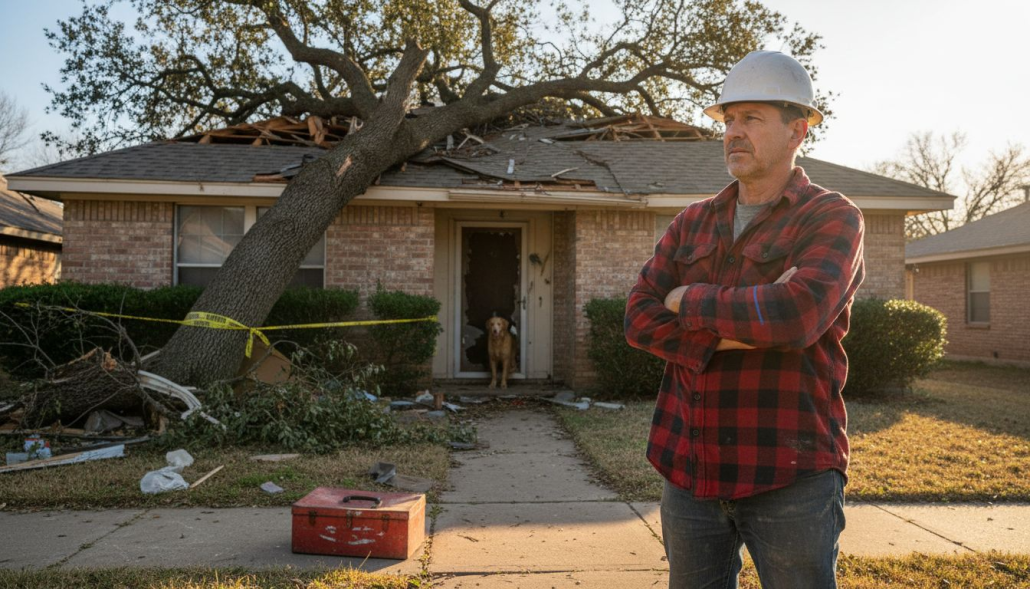
Storms across Texas can leave homeowners in Houston and Austin facing not only fallen trees but also serious questions about structural safety. After a heavy limb crashes onto your roof or yard, immediate steps are crucial to protect loved ones and property from further harm. Taking careful action to secure the area and document damage is your first defense against costly repairs and insurance headaches, helping you move toward recovery with greater confidence.
Table of Contents
- Step 1: Assess Safety and Secure Area
- Step 2: Document Tree Fall Impact Zones
- Step 3: Inspect Structural Damage Thoroughly
- Step 4: Verify Foundation and Roof Condition
- Step 5: Consult a Licensed Structural Engineer
Quick Summary
| Key Point | Explanation |
|---|---|
| 1. Secure the area immediately | Ensure that all individuals and pets are evacuated from the danger zone and establish a clear safety perimeter. |
| 2. Document the damage thoroughly | Create a visual record of all damage, including photos and notes, categorized by impact zones to aid in insurance claims. |
| 3. Inspect for structural damage | Conduct a thorough inspection of both the interior and exterior of the home to identify serious damage that requires immediate attention. |
| 4. Consult a licensed structural engineer | Engage a professional to evaluate the structural integrity of your home and provide recommendations for repairs and safety. |
| 5. Prioritize safety and professionalism | Always prioritize personal safety when assessing damages and rely on qualified professionals for hazardous issues and structural assessments. |
Step 1: Assess Safety and Secure Area
Your first task after a tree falls on your home is straightforward: protect people, pets, and property from further injury. This means evacuating the affected area immediately and establishing a clear safety perimeter. You cannot inspect structural damage if someone gets hurt in the process.
Start by removing everyone from the danger zone. This includes family members, pets, neighbors, and bystanders. If your home is damaged, treat it like an active construction site where uncontrolled access is risky. Then, expand outward by establishing a physical barrier at least 20 feet from the tree and damaged structure. Use caution tape, rope, or cones to mark the area clearly so curious kids or pets cannot slip through.
Before you approach the fallen tree, scan for immediate hazards that demand emergency attention. Look for downed power lines draped across branches or ground, gas line damage indicated by a strong rotten egg smell, or water line breaks. These are not DIY problems.
If you spot any of these hazards:
Here is a summary of key hazards that may arise when a tree falls on a home and who should address them:
| Hazard Type | How It Presents | Who Should Address |
|---|---|---|
| Downed power lines | Live wires on ground | Utility company, 911 |
| Gas leaks | Rotten egg smell | Gas utility emergency |
| Water line breaks | Flooding, pooling | Water utility, plumber |
| Unstable tree limbs | Hanging/split branches | Arborist, tree expert |
- Call 911 or your local utility provider immediately
- Keep everyone away from the area until professionals clear it
- Do not attempt to move branches or debris if power lines are involved
- Report gas leaks to your gas company’s emergency line right away
Once utilities are confirmed safe or addressed by professionals, you can proceed with closer inspection and documentation.
If the tree structure itself looks unstable, with large limbs hanging at odd angles or the main trunk split and ready to shift, secure the area and contact an arborist before moving forward. Unstable limbs can collapse unexpectedly, causing serious injury.
Wear appropriate personal protective equipment whenever you approach the site. Grab a hard hat, work gloves, steel-toed boots, and long sleeves. A dust mask also helps if debris is airborne. You’re not being overly cautious; falling branches and sharp wood splinters are real hazards.
Once the area is secure and utilities are safe, document visible damage from a distance using your phone or camera. Take photos of the tree’s position, crushed roof sections, cracked walls, or dented siding. This documentation helps your insurance company and professional inspectors understand what happened.
Pro tip: Keep a detailed photo log with timestamps and timestamps noted in your phone—insurance adjusters often need this timeline to verify when damage occurred, and it supports your claim faster than verbal descriptions alone.
Step 2: Document Tree Fall Impact Zones
Now that your area is secure, your job is to map out exactly where the tree caused damage. This documentation becomes your evidence for insurance claims, repair planning, and professional assessments. Think of it as creating a damage roadmap that tells the complete story of what happened.
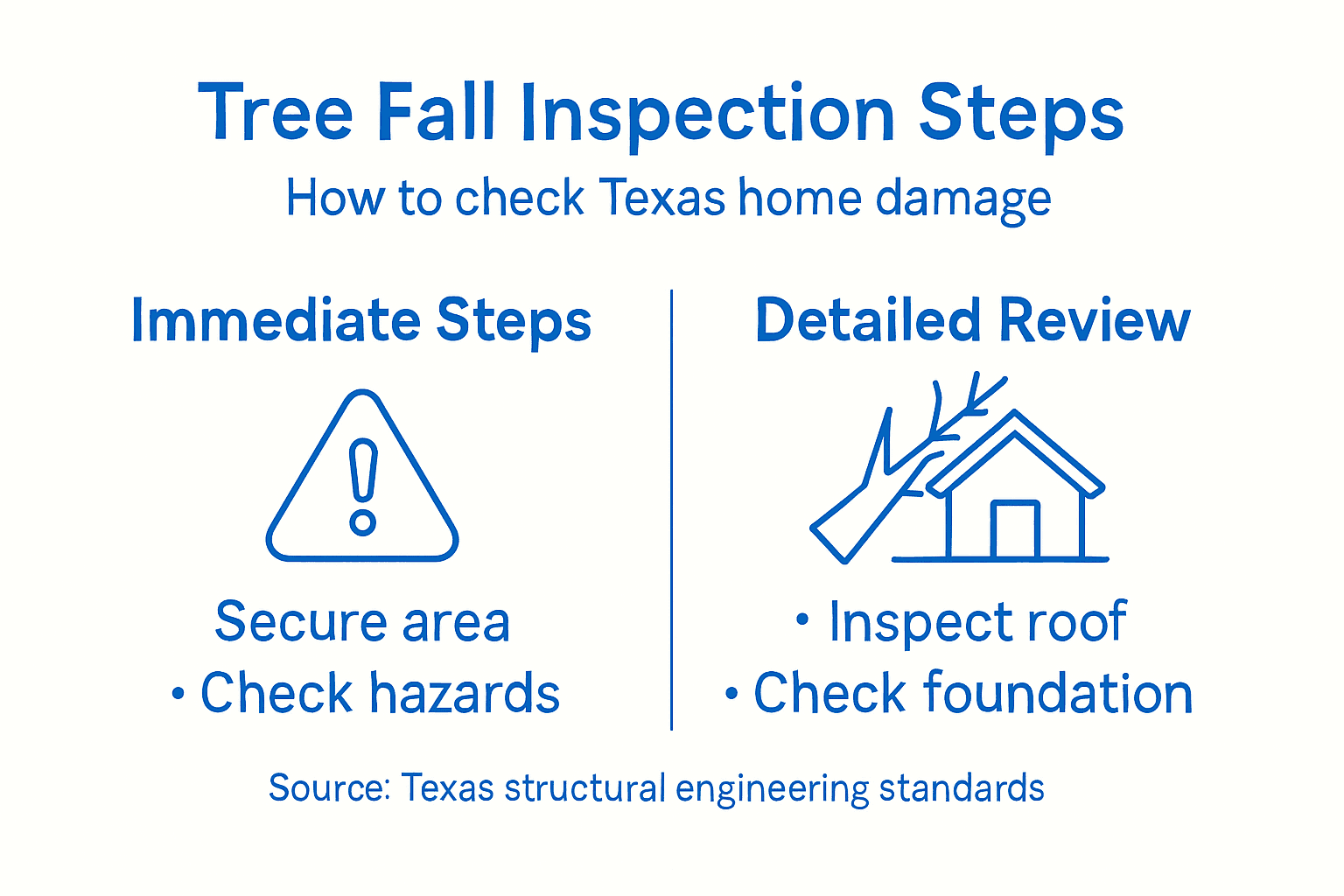
Start by identifying the three main impact zones created by the fallen tree. The first zone is where the trunk made initial contact with your home or property. This is usually the most obvious damage: crushed roof sections, smashed walls, or cracked foundation areas. Mark this zone clearly in your photos and notes.
The second zone covers lateral limb damage. Tree branches can scatter across your yard, driveway, and neighboring properties. Document where major limbs landed, how deeply they penetrated roofing or siding, and any secondary damage they caused. This matters because some limbs may have caused hidden structural issues.
The third zone involves the root disturbance area. When a tree falls, its root plate tears away from the ground, creating a cavity. This zone tells you about soil displacement, foundation stress, and potential drainage problems. Photograph the root area from multiple angles.
Here’s what to capture in your documentation:
- Wide shots showing the tree’s position relative to your home
- Close-ups of structural damage to roof, walls, and foundation
- Photos of the root plate and soil displacement
- Images of utility line interactions if applicable
- Measurements of major damage areas using a measuring tape or phone app
For each impact zone, identify specific targets affected like homes, driveways, and access routes to prioritize which damage needs immediate attention. Your roof damage might need temporary tarping before the foundation inspection, for example.
Use your smartphone to create a time-stamped record. Organize photos by zone and date. Many phones automatically record location data, which proves when and where you documented each impact.
Detailed photographic documentation is your strongest tool for insurance claims and professional assessments. Don’t skip this step.
Pro tip: Create a simple sketch on paper or your phone showing the tree’s location, major damage zones, and distances from your home—this visual reference helps contractors and adjusters immediately understand the impact pattern without needing lengthy explanations.
Step 3: Inspect Structural Damage Thoroughly
With your safety perimeter established and impact zones documented, you’re ready to assess the actual structural damage. This step separates cosmetic problems from serious structural threats that could compromise your home’s safety. Your goal is to identify what needs immediate professional attention versus what can wait.
Start your inspection outside the house first. Walk the entire perimeter and look for sagging rooflines that dip unnaturally or ridge lines that appear bent. Check for displaced rafters visible in the attic gables. Look at support beams under eaves or porches, noting any cracks, splits, or sideways bending. Examine the foundation and rim joists where the tree made contact, searching for new cracks or shifted concrete sections.
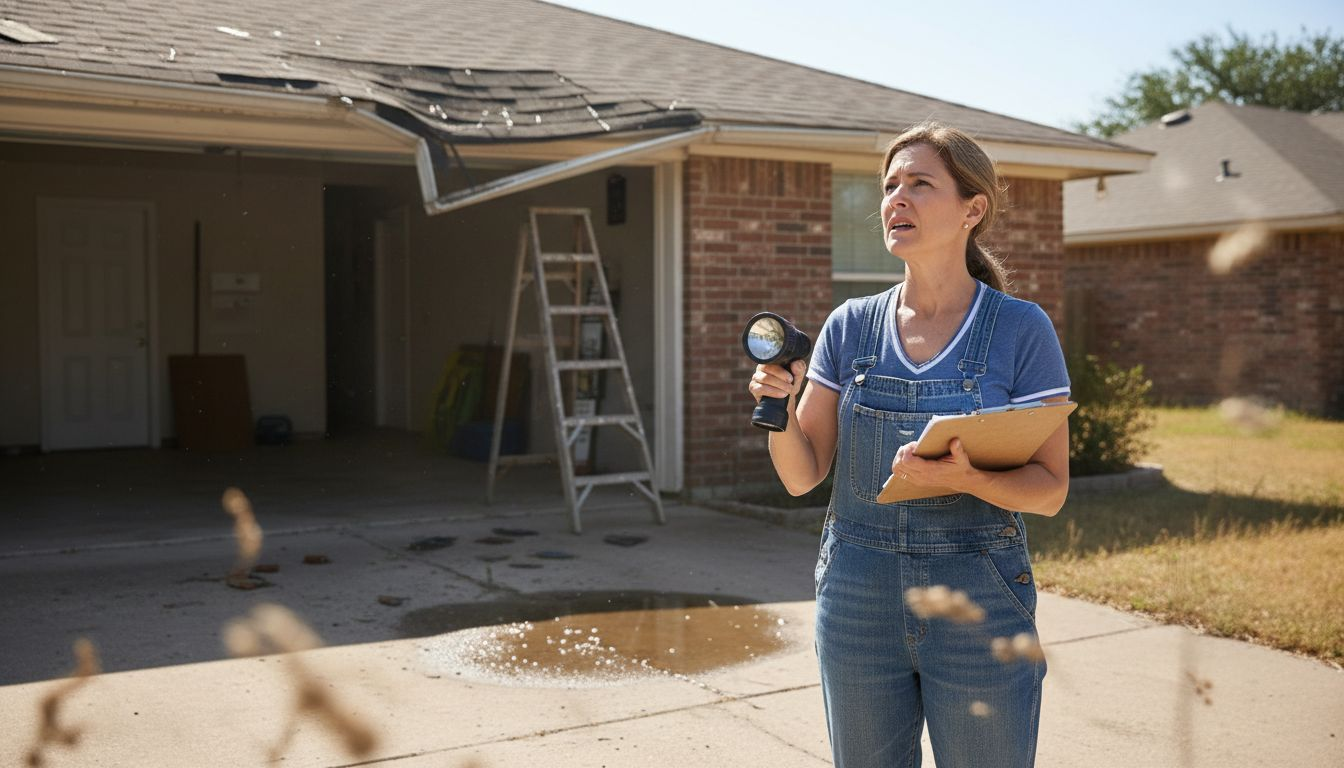
Move to your roof and attic next. From inside, access your attic safely and inspect rafters for splits, compression damage, or missing sections. Look for wet spots indicating water penetration or mold growth on wood surfaces. Ceiling stains below the damaged area are red flags for ongoing water intrusion that will worsen over time.
Inside your home, check interior ceilings and walls for new cracks, sagging drywall, or discoloration stains. Water damage shows as brown or yellow marks spreading across ceiling material. Open your walls carefully if you suspect hidden damage, but don’t demo walls yourself.
Here’s what to document during your inspection:
- Sagging or bent rooflines and ridge lines
- Cracked, split, or compressed rafters and beams
- Foundation cracks longer than 1/8 inch or new settlement gaps
- Water stains on ceilings, walls, or attic framing
- Mold growth on wood or insulation surfaces
- Displaced structural members or separation at joints
The critical skill is distinguishing between cosmetic and structural damage, which usually requires a licensed professional’s evaluation. A cracked drywall seam is cosmetic. A cracked beam is structural. When in doubt, photograph it and schedule a professional inspection.
The following table summarizes how to distinguish between cosmetic and structural damage after a tree fall:
| Damage Type | Description | Urgency of Repair |
|---|---|---|
| Cosmetic | Drywall cracks, paint chips | Low, can delay briefly |
| Structural | Broken beams, sagging roof | High, immediate attention |
| Water intrusion | Ceiling stains, mold growth | Medium, address quickly |
| Foundation movement | New cracks, shifted concrete | High, consult engineer |
Structural damage affects your home’s ability to stand safely. If you see signs of serious damage, stop your inspection and contact a structural engineer immediately.
Texas homeowners often overlook interior damage because it’s hidden behind walls. When preparing for a comprehensive structural inspection, document everything you’ve observed so professionals know where to focus.
Pro tip: Use a flashlight and smartphone to video-record your walkthrough while narrating observations—this creates a clear record of damage progression and helps your inspector understand exactly what you’ve already noticed before they arrive.
Step 4: Verify Foundation and Roof Condition
Your roof and foundation are your home’s first and last lines of defense. After a tree fall, both systems likely sustained damage that requires careful verification. This step focuses on identifying whether these critical elements remain sound or need immediate professional repair.
Start by examining your roof carefully from the ground. Look for sagging rooflines that dip unnaturally, missing shingles or tile sections, or large debris embedded in the surface. Use binoculars if needed to spot damage from a safer distance. Check for visible displaced rafters protruding through the roof line. Water stains on your ceiling or attic indicate roof breaches that water is actively exploiting.
Inside your attic, inspect the roof structure from below. Look for water stains on rafters, insulation, or plywood sheathing that indicate ongoing leaks. Mold growth appears as dark patches on wood or insulation materials. Walk carefully across the attic floor and note any soft spots in the plywood that suggest rotted wood beneath.
For your foundation inspection, start at ground level where the tree made contact. Examine foundation walls for new cracks wider than 1/8 inch or cracks that appear to be growing. Look for horizontal cracks, which are more serious than vertical ones. Check concrete piers or support posts for compression cracks or settling.
Look for these foundation warning signs:
- Vertical cracks in foundation walls longer than 6 inches
- Horizontal cracks of any length
- Gaps between the foundation and sill plate
- Displaced concrete or brick sections
- Soil movement or settling away from the foundation
- Water intrusion at foundation seams
Examine soil around your foundation for signs of movement or shifting that affect stability. If the tree’s root plate displaced earth beneath your home, the foundation may be settling unevenly. Uneven settling creates diagonal cracks and doorways that stick or won’t close properly.
Foundation and roof damage compounds over time. Water penetration leads to rot, mold, and structural decay that accelerates when left unaddressed.
When evaluating your specific situation, understanding foundation inspection requirements for Texas properties helps you know what professionals will assess and what remedies may be needed.
Pro tip: Photograph any cracks with a ruler or coin in the frame to show scale, and mark the date on photos with your phone—this documents whether cracks are growing over time, which tells your engineer whether damage is active or stable.
Step 5: Consult a Licensed Structural Engineer
You’ve documented damage, identified hazards, and assessed visible structural issues. Now it’s time to bring in the expert. A licensed structural engineer provides the professional evaluation that separates safe repairs from dangerous guesswork. This step protects your home, your family, and your investment.
Structural engineers aren’t general home inspectors. They’re licensed professionals trained to analyze complex structural systems and calculate load capacity, foundation stability, and material integrity. After a tree fall, their role is critical because damage often extends beyond what your eyes can detect. Hidden cracks inside walls, compromised framing beneath siding, or foundation settling patterns all require professional analysis.
Know when to call immediately. If you observed significant structural defects during your inspection, don’t wait. These include large foundation cracks, sagging rooflines, displaced beams, or water intrusion in critical areas. Any of these warrants urgent professional evaluation.
Here’s what to expect from a structural engineer:
- Detailed visual inspection of damaged areas
- Measurements and assessments using specialized tools
- Analysis of load-bearing capacity and structural integrity
- Recommendations for remediation or repair approaches
- Written report documenting findings and required actions
- Estimates of repair scope and priority levels
When contacting engineers, provide your documentation from previous steps. Share your photos, measurements, and notes about visible damage. This context helps the engineer arrive prepared and focused. Licensed structural engineers in Texas assess foundations, framing, and load-bearing elements against regional hazards, so they understand how tree falls specifically stress your home’s systems.
Chose an engineer with experience in tree fall damage and Texas building codes. Ask if they work with insurance companies and whether they can provide documentation suitable for claims. Their report becomes your roadmap for repairs and your shield against incomplete remediation.
A structural engineer’s assessment is your insurance against costly mistakes and future liability. Their professional opinion protects your family and your property investment.
Before scheduling your consultation, understanding how to order a structural inspection will help you prepare necessary documents and ask the right questions.
Pro tip: Schedule your inspection appointment within 48 hours of discovering major damage, since engineers often book quickly after storms—having your photos and documentation ready means you can communicate your damage extent immediately and secure an earlier appointment slot.
Protect Your Texas Home with Expert Structural Engineering After a Tree Fall
Dealing with the aftermath of a tree fall can feel overwhelming and dangerous. From safety hazards like unstable limbs and utility line damage to the challenge of identifying structural versus cosmetic damage and foundation concerns, you need trusted guidance. Our licensed professionals at Texas Licensed Engineers specialize in thorough structural and foundation inspections tailored for Texas homes. We help you navigate each critical step, from detailed damage documentation to expert analysis, so you can secure your property and your family’s safety.

Don’t wait until hidden damage worsens or insurance claims become complicated. Get a clear, professional assessment now to avoid costly repairs later. Visit Texas Licensed Engineers to schedule your structural inspection and learn more about our comprehensive services including foundation inspections, forensic investigations, and construction plans. Start protecting your home today with experts who understand Texas-specific challenges perfectly.
Frequently Asked Questions
What are the first steps to take after a tree has fallen on my Texas home?
After a tree falls on your home, prioritize safety by evacuating everyone from the area and establishing a safety perimeter at least 20 feet away from the tree. Next, assess for immediate hazards like downed power lines or gas leaks and contact the appropriate professionals for help.
How do I document damage from a tree fall for my insurance claim?
Document damage by taking clear, timestamped photos of the three main impact zones: the trunk impact area, lateral limb damage, and the root disturbance area. Organize the images by zone and date to create a comprehensive record that will support your insurance claim.
What should I look for when inspecting for structural damage after a tree fall?
During your structural inspection, check your home’s foundation, roof, and attic for signs of sagging, cracks, or water intrusion. Document any visible issues, as they will be essential for determining the extent of damage and necessary repairs.
When should I consult a licensed structural engineer after a tree falls on my house?
It’s essential to consult a licensed structural engineer immediately if you notice significant structural defects such as large cracks in the foundation or sagging rooflines. Getting a professional assessment can help identify hidden damage and ensure the safety of your home.
How can I tell the difference between cosmetic and structural damage?
Cosmetic damage includes things like drywall cracks and paint chips, while structural damage involves broken beams or sagging roofs. If you’re unsure, take detailed photographs of any damage and seek a professional evaluation to ensure proper safety measures are taken.
What information should I provide when contacting a structural engineer for a tree fall inspection?
When contacting a structural engineer, share your documentation such as photos of the damage, measurements, and notes describing any visible issues. Providing this context will help the engineer assess the situation more effectively and prepare for the inspection.
Recommended
- How to Request Structural Inspection for Texas Homes – Texas Licensed Engineers
- How to Order Structural Inspection for Texas Homes – Texas Licensed Engineers
- How to Get Structural Inspection in Texas Easily – Texas Licensed Engineers
- 7 Types of Structural Inspections Every Texas Property Needs – Texas Licensed Engineers


