
How Engineers Determine Repairs – What Texas Owners Need
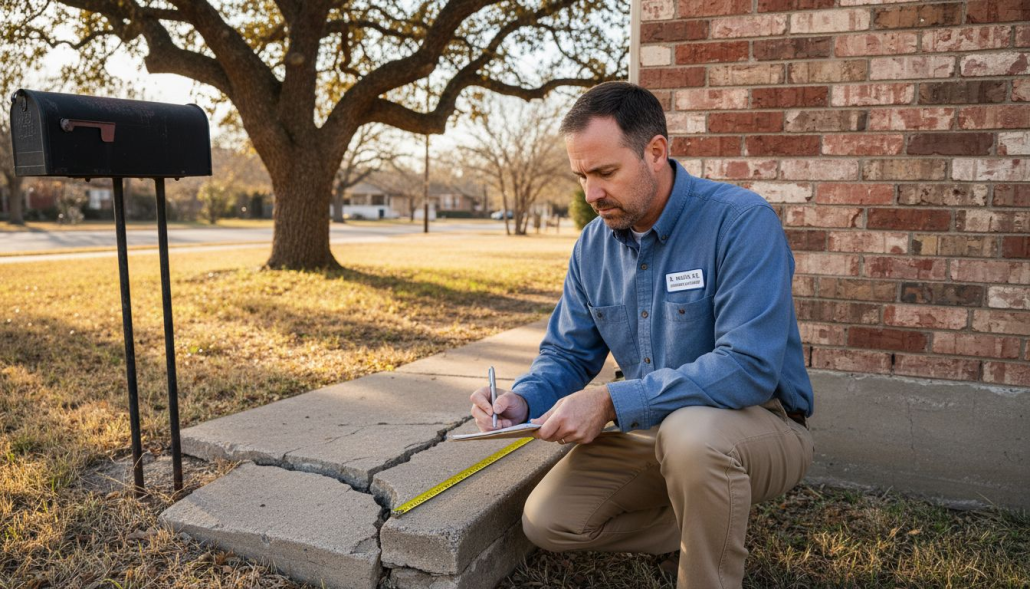
Cracks in walls or doors that suddenly stick can make any Texas property owner pause. Structural and foundation issues are not just cosmetic concerns in Houston and Austin. They signal deeper risks that require a methodical approach. Understanding how professional engineers apply systematic problem identification ensures repairs are tailored to your property’s unique challenges and protect your investment from costly mistakes.
Table of Contents
- Repair Determination by Engineers Explained
- Types of Structural and Foundation Problems
- Inspection Process and Diagnostic Tools
- Permitting, Codes, and Legal Requirements
- Risks, Costs, and Common Mistakes
Key Takeaways
| Point | Details |
|---|---|
| Systematic Repair Process | Engineers follow a structured approach for property repairs, including problem identification, investigation, and diagnostic testing. |
| Importance of Documentation | Request detailed reports with photos and prioritized recommendations to aid contractor selection and insurance claims. |
| Building Codes and Permits | Complying with local building codes and obtaining necessary permits ensures legal and safe repairs. |
| Risk Mitigation | Engage qualified engineers to prevent costly mistakes and ensure all repairs address root causes, not just symptoms. |
Repair Determination by Engineers Explained
Engineers don’t just glance at a crack and declare what needs fixing. They follow a systematic process that combines investigation, analysis, and careful planning. Understanding how this works helps you make informed decisions about your property’s repairs.
The repair determination process starts with a thorough problem identification. Engineers visit your property, document visible damage, and listen to your concerns. They take photos, measurements, and notes about when issues started and how they’ve progressed.
Next comes the investigation phase. Engineers research what caused the problem. For a foundation crack, this means checking soil conditions, drainage patterns, and structural history. For a roof leak, they trace water paths and inspect materials.
Engineers use a systematic approach called failure mode and effects analysis to evaluate which problems pose the greatest risk and which repairs should happen first. This method helps prioritize work based on severity, likelihood, and how detectable each issue is.
The diagnostic testing step reveals what you can’t see. Engineers may use ground-penetrating radar, moisture meters, or soil testing. These tools provide data that informs repair recommendations.
Here’s what engineers evaluate during repair determination:
- Structural integrity: Will this failure worsen or stay stable?
- Safety concerns: Does this pose a hazard to occupants?
- Cost implications: What’s the most practical repair approach?
- Long-term solutions: Will this fix address the root cause?
- Building code compliance: Do repairs meet current standards?
Following the engineering process means engineers develop repair plans through iteration. They test their approach against the original problem, refine recommendations based on new findings, and adjust based on stakeholder input.
Engineers then create detailed repair plans outlining materials, methods, timelines, and costs. These plans reference building codes, industry standards, and best practices specific to Texas construction conditions.
The final step involves communicating findings clearly. You receive a report explaining what’s wrong, why it happened, and how to fix it. Good reports include photos, measurements, recommendations ranked by priority, and cost estimates.
Professional engineers ensure repairs address root causes, not just symptoms. This approach prevents recurring problems and protects your investment long-term.
Pro tip: Request a detailed written report with photos, measurements, and prioritized recommendations. This documentation protects you when hiring contractors and helps with insurance claims.
Types of Structural and Foundation Problems
Texas properties face unique structural challenges. Clay soils shift seasonally, severe weather creates stress, and older construction methods often fall short by modern standards. Knowing what problems look like helps you catch issues early.
Foundation problems are the most common structural issue affecting Texas homes. Your foundation supports everything above it, so damage here cascades through the entire structure.
Common foundation failures include:
- Settling and subsidence: Soil compresses unevenly, causing parts of the foundation to drop
- Heaving: Soil expands (typically from clay moisture changes), pushing the foundation upward
- Cracking: Horizontal, diagonal, or stair-step cracks indicate stress or movement
- Bowing walls: Lateral pressure pushes foundation walls inward
- Pier failure: Support posts deteriorate or shift under load
There are several foundation types used in construction, including slab-on-grade (common in Texas), crawl spaces with support piers, and basements. Each type has different failure modes and repair requirements.
Structural weaknesses beyond foundations also demand attention. Unbraced cripple walls between the foundation and first floor lack lateral support. Soft first stories with too many openings (large windows or garage doors) lose strength. Unreinforced masonry elements crack under stress.
Water-related problems rank high on the repair priority list. Foundation leaks, seepage, and moisture intrusion weaken structural materials and create mold hazards. In Houston’s humid climate, drainage failures cause cascading damage.
The type of problem determines how engineers approach the fix. A settling foundation requires different solutions than one damaged by water or lateral movement.
Roof and attic problems often point to structural issues. Sagging rooflines indicate frame failure or inadequate support. Rotted rafters signal moisture problems. Poor ventilation causes premature deterioration.
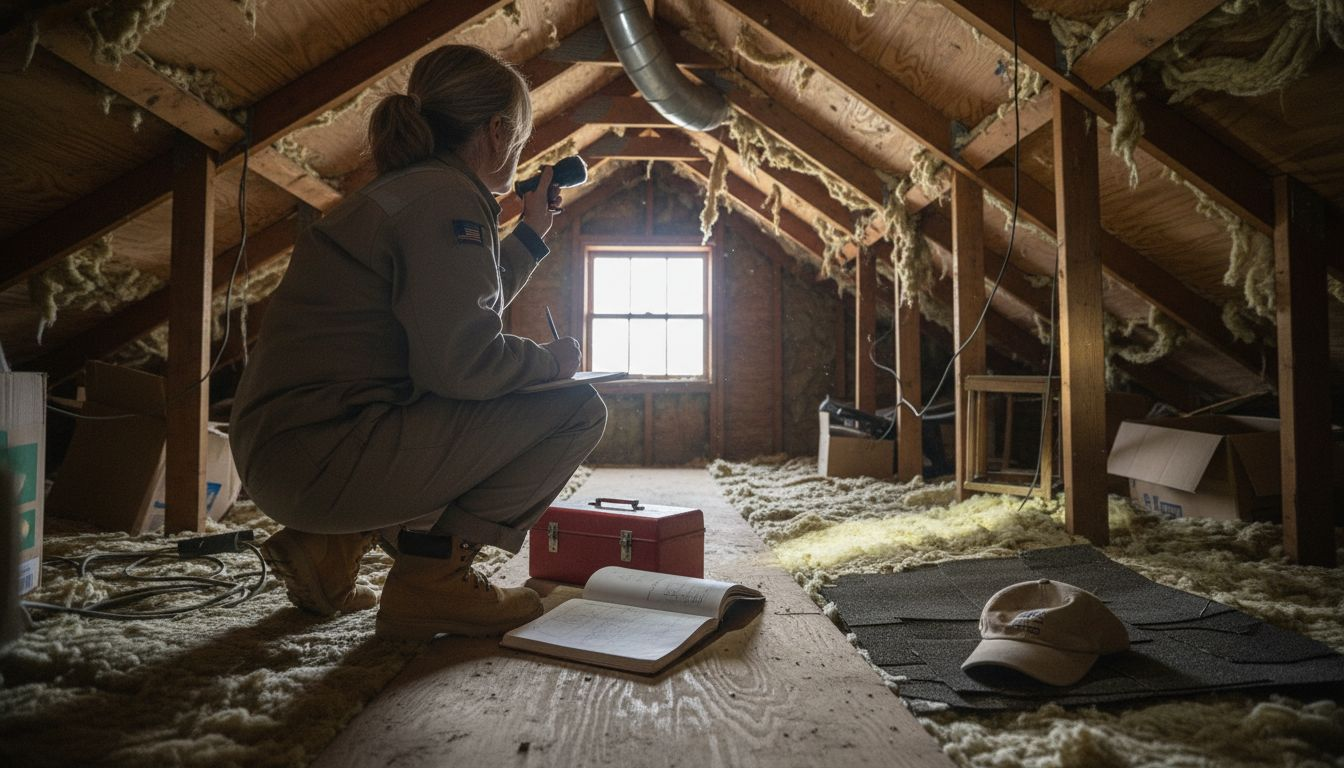
Wall and framing defects include bowed exterior walls, cracked plaster, doors that jam, and windows that won’t close. These seem cosmetic but often indicate deeper movement.
Brick veneer separation happens when the outer brick layer pulls away from the frame. This creates a pathway for water infiltration and weakens the wall system.
Cracking patterns tell you what’s wrong. Vertical cracks suggest settling. Horizontal cracks indicate lateral pressure. Stair-step cracks in masonry show shear stress. Diagonal cracks point to corner stress or foundation movement.
Here’s a side-by-side view of common structural issues versus their likely engineering solutions:
| Problem Type | Typical Cause | Example Engineering Solution |
|---|---|---|
| Foundation settling | Uneven soil compression | Soil stabilization, underpinning |
| Heaving foundation | Expansive clay/swelling soil | Drainage correction, piers |
| Bowing foundation walls | Lateral earth pressure | Wall anchors, bracing systems |
| Roof frame sagging | Overloading or water damage | Structural reinforcement, rafter replacement |
| Brick veneer separation | Foundation shift, moisture | Wall ties, repointing, drainage fix |
Pro tip: Document any cracks or structural changes with dated photos from multiple angles. This timeline helps engineers determine whether problems are new, stable, or actively worsening.
Inspection Process and Diagnostic Tools
Engineers don’t rely on guesswork. They use systematic inspection methods combined with advanced diagnostic tools to reveal what’s happening beneath surfaces and inside structures. This combination gives you accurate repair recommendations backed by data.
The inspection starts with visual assessment. Engineers walk your property documenting visible damage, water stains, cracks, and deterioration. They photograph everything from multiple angles and make detailed notes about conditions, locations, and severity.
Engineers interview you about the property’s history. When did problems start? Have repairs been attempted? What seasonal changes do you notice? This context helps interpret what they’re seeing.
Nondestructive testing reveals hidden damage without harming your property. These diagnostic tools and methods detect deterioration in concrete, steel, and wood without cutting, drilling, or destroying materials.
Common diagnostic tools include:
- Ground-penetrating radar (GPR): Detects voids, rebar location, and soil conditions
- Moisture meters: Identifies water intrusion and damp areas
- Infrared thermography: Shows temperature variations indicating insulation gaps or leaks
- Ultrasonic testing: Measures concrete thickness and detects internal damage
- X-rays and petrographic analysis: Examines concrete composition and deterioration
- Corrosion detection: Identifies rust on rebar and steel reinforcement
Sample collection may occur if nondestructive testing raises concerns. Engineers collect small concrete or soil samples for lab analysis. This determines composition, strength, and failure causes.
Advanced diagnostic tools detect problems early, often before they become visible or expensive. This prevents cascading damage and reduces repair costs.
Lab investigations examine samples under magnification. Petrographic analysis reveals concrete quality and damage patterns. Soil testing shows bearing capacity and stability issues. These results guide repair strategies.
Real-time monitoring using structural health monitoring techniques tracks ongoing movement or deterioration. Vibration sensors and acoustic emission testing detect subtle changes you’d never notice.
Engineers document all findings with photos, measurements, test results, and analysis. Your final report explains what’s wrong, why it happened, and what needs fixing.
The inspection process typically takes several visits. The initial walkthrough identifies obvious issues. Diagnostic testing follows. Lab analysis and report writing complete the assessment.
Pro tip: Ask engineers which tools they’ll use before the inspection starts. Understanding the testing approach helps you know what to expect and why each tool matters for your specific problems.
Permitting, Codes, and Legal Requirements
Repairs aren’t a “do whatever you want” situation in Texas. Building codes, permits, and legal requirements exist to protect you, your neighbors, and future property owners. Engineers help navigate these requirements so your repairs are done right and legally.
Building permits are mandatory for structural repairs. This isn’t optional or something to skip. Building permits are required for nearly all improvements including structural work, regardless of size or cost. Skipping permits creates liability, voids insurance coverage, and causes problems when selling your property.
Here’s what requires permits in Texas:
- Structural repairs and foundation work
- Roof replacement or significant repairs
- Wall removal or framing changes
- Mechanical, electrical, and plumbing upgrades
- Additions or renovations
- Demolition work
Permits protect public safety by ensuring work meets current building codes. Texas adopts the International Building Code (IBC) with amendments. These codes specify structural requirements, material standards, and construction methods.
Licensed contractors must be registered and insured. Engineers verify contractor qualifications before work begins. This protects you from unqualified workers and ensures accountability if problems arise.
Engineers create construction plans and specifications that meet code requirements. These documents show inspectors exactly what’s being built, how, and why. Plans include calculations proving the repair will work safely.
Code compliance isn’t about bureaucracy. It ensures your repair actually solves the problem permanently and safely.
Inspections occur at multiple stages. The building department inspects work-in-progress to verify compliance. Engineers may oversee inspections as third-party verification that work matches approved plans.
Special situations require additional steps. Asbestos surveys are required for certain demolitions. Environmental assessments may be needed for contaminated soil. Flood zone determinations affect repairs near water bodies.
Title and ownership issues matter for legal compliance. Easements, deed restrictions, and homeowners association rules can limit repair options. Engineers and attorneys coordinate to ensure repairs don’t violate these constraints.
The permit process typically takes 2-6 weeks depending on complexity and local jurisdiction. Your engineer handles most communication with building departments, saving you time and frustration.
Non-compliance creates real consequences. Unpermitted work can result in stop-work orders, fines, forced removal of work, or inability to sell the property. It also voids warranties and complicates insurance claims.
Pro tip: Never hire a contractor who suggests skipping permits or “keeping it quiet.” This red flag signals they cut corners elsewhere. Permitted work costs more upfront but protects your investment and legal standing long-term.
Risks, Costs, and Common Mistakes
Structural repairs gone wrong create exponential problems. What starts as a $15,000 foundation fix becomes a $100,000 nightmare when mistakes force rework and litigation. Understanding risks and common errors helps you avoid becoming a cautionary tale.
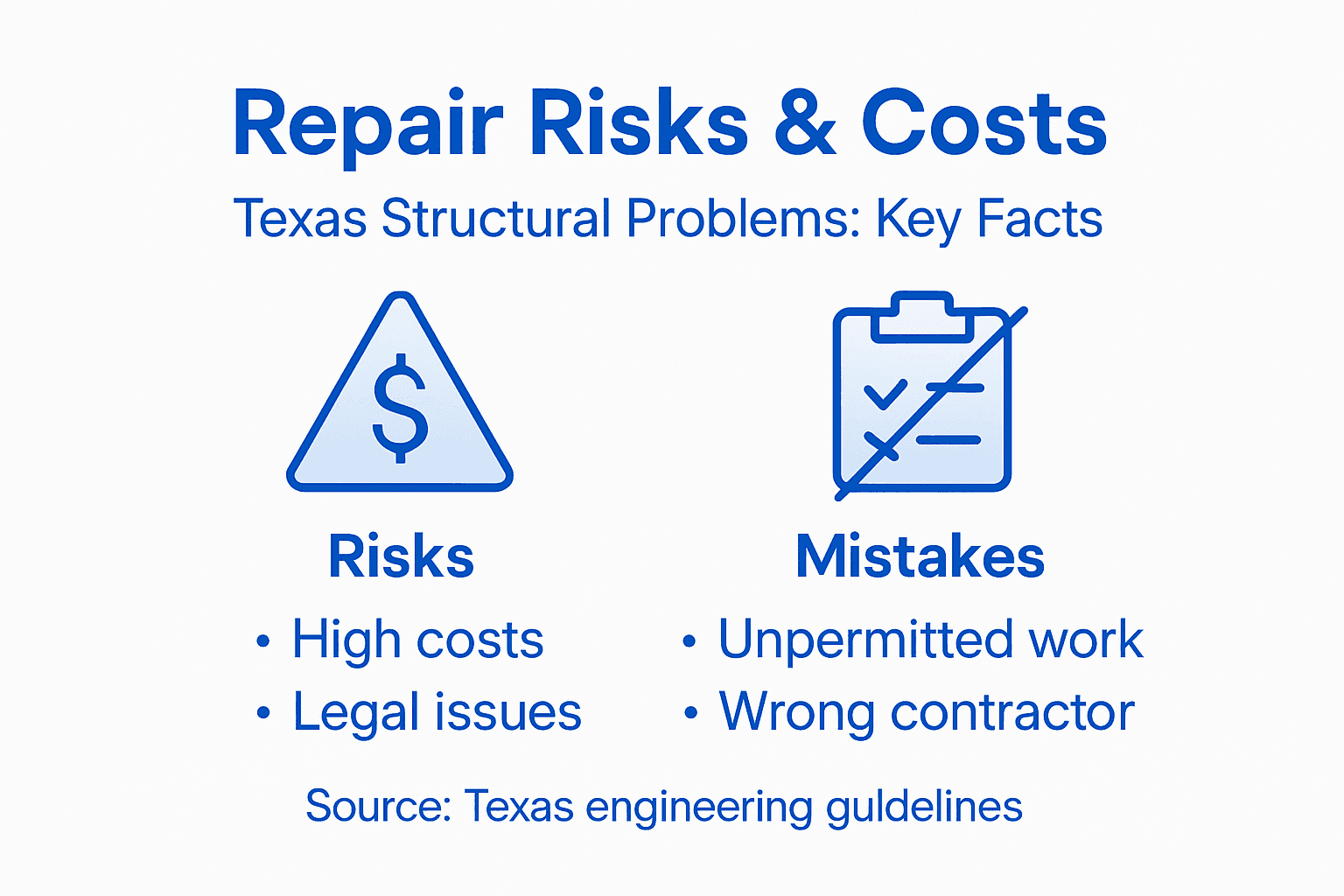
Inadequate assessment tops the mistake list. Contractors or inexperienced inspectors misidentify problems, recommending repairs that don’t address root causes. The problem resurfaces within months, requiring expensive rework and damaging trust.
Common repair mistakes include:
- Treating symptoms instead of root causes
- Skipping proper documentation and evidence preservation
- Failing to involve qualified engineers during assessment
- Rushing repairs without understanding soil or structural conditions
- Ignoring building codes and permits
- Choosing lowest-cost contractors over qualified ones
- Neglecting to test repairs post-completion
Systematic evaluation and proper documentation prevent costly rework by identifying actual problems before repairs begin. This upfront investment saves money long-term.
Cost escalation happens fast. Initial estimates of $20,000 balloon to $50,000 when inspections reveal unexpected conditions. Foundation depth, soil contamination, or hidden structural damage discovered mid-project require plan modifications and contractor change orders.
The delayed decision trap costs money daily. Postponing repairs while you “think about it” allows damage to worsen. That small foundation crack becomes a major structural issue. That water leak rots framing and creates mold. Procrastination multiplies repair costs significantly.
Engineers mitigate risks through thorough investigation, preserving evidence, and collaborating across disciplines. This approach prevents costly mistakes and litigation.
Liability risks escalate when corners get cut. Unpermitted work exposes you to fines and stop-work orders. Faulty repairs create safety hazards. Poor documentation makes insurance claims difficult. You could face personal liability if someone gets injured.
Water damage represents your largest ongoing risk. A small roof leak ignored becomes mold and structural rot. A foundation crack allows water intrusion that weakens soil beneath. Texas humidity means water problems spread fast.
Contractor selection mistakes cause most repair failures. The cheapest bid often means inexperienced workers, poor materials, and incomplete work. Verify contractor licensing, insurance, experience, and references before hiring.
Lack of engineer oversight creates risk. Without third-party verification, you depend entirely on contractors to do quality work. Engineers catch problems during construction, preventing costly surprises at completion.
Post-repair testing gets skipped too often. After work finishes, engineers should test repairs to verify they actually solve the problem. This final verification protects your investment.
Pro tip: Budget 10-15% extra for contingencies when planning repairs. Unexpected conditions are almost guaranteed, and having reserve funds prevents financial stress and rushed decision-making mid-project.
Trusted Engineering Solutions for Texas Structural and Foundation Challenges
If you are facing foundation settling, structural cracks, or complex repair decisions in Texas properties you know how crucial a detailed and accurate engineering assessment is. Our licensed engineers specialize in comprehensive structural and foundation inspections that reveal the root causes behind visible damage. We apply advanced diagnostic testing and thorough evaluations to deliver clear reports with prioritized repair recommendations that protect your property and safety.

Don’t risk costly mistakes or unpermitted work hire experienced Texas licensed engineers who understand local soils, weather impacts, and building codes. Start with a professional evaluation today and get peace of mind with expertly crafted repair plans and permit support. Visit Texas Licensed Engineers now to schedule your inspection and safeguard your investment for years to come.
Frequently Asked Questions
What is the first step engineers take in determining repairs?
Engineers start with problem identification, visiting the property to document visible damage, listen to concerns, and take notes about the issues and their progression.
How do engineers investigate the causes of structural problems?
Engineers research the underlying causes by checking soil conditions, drainage patterns, structural history, and conducting diagnostic testing using tools like moisture meters and ground-penetrating radar.
Why is it important for repairs to comply with building codes and obtain permits?
Repairs must meet building codes and required permits to ensure safety, protect property value, and avoid legal issues. Non-compliance can result in fines, voided insurance, and complications during property sales.
What common mistakes should be avoided in the repair process?
Common mistakes include misidentifying problems, neglecting proper documentation, skipping permits, rushing repairs, and failing to involve qualified engineers. These errors can lead to increased costs and structural failures.
Recommended
- When to Call an Engineer in Texas – Protect Your Property – Texas Licensed Engineers
- Why Engineers Review Renovations in Texas Homes – Texas Licensed Engineers
- Why Foundation Repair Needs Engineering Expertise – Texas Licensed Engineers
- 7 Essential Tips for Choosing Engineers in Texas – Texas Licensed Engineers


