
Role of Forensic Analysis in Texas Construction
A sudden crack in a building’s foundation or unexpected water damage after heavy Texas rains can leave homeowners and contractors in Houston, Austin, Dallas, and San Antonio searching for answers. Tackling these issues demands more than a standard inspection—forensic engineering relies on a detective-like process to uncover the true causes behind structural failures and flood damage. Whether facing insurance claims or seeking to protect your property’s value, understanding forensic analysis can reveal clear, defensible insights into complex construction challenges.
Table of Contents
- Defining Forensic Analysis In Construction
- Types Of Construction Forensic Investigations
- Key Investigation Methods And Processes
- Legal Standards And Insurance Implications
- Common Mistakes And Prevention Strategies
Key Takeaways
| Point | Details |
|---|---|
| Forensic Engineering Importance | Forensic engineering is critical for identifying the root causes of structural failures and supporting legal claims. |
| Investigation Methodology | Comprehensive methodologies, including site assessments and advanced testing, are essential for accurate forensic analysis. |
| Documentation Stringency | Meticulous documentation and adherence to legal standards are pivotal to ensuring credible forensic investigations. |
| Common Pitfalls | Awareness of common investigative biases and documentation errors is necessary to maintain the integrity of engineering assessments. |
Defining Forensic Analysis in Construction
Forensic analysis in construction represents a sophisticated investigative process where engineering professionals meticulously examine structural failures, accidents, and potential design or construction defects. Unlike standard inspections, forensic engineering requires a detective-like approach to uncovering complex technical problems that might compromise building safety and integrity.
At its core, forensic structural engineering involves systematically investigating the root causes of structural failures, damages, and potential risks. Forensic engineers act as technical detectives, gathering evidence, analyzing complex scenarios, and providing expert insights that can be crucial in legal proceedings or insurance claims.
The forensic analysis process typically involves several critical steps:
- Comprehensive site investigation and documentation
- Evidence collection and preservation
- Detailed material and structural testing
- Advanced computational modeling
- Interviewing key witnesses and stakeholders
- Preparing comprehensive technical reports
These professionals employ a wide range of sophisticated techniques to diagnose construction issues, including non-destructive testing methods, advanced imaging technologies, material stress analysis, and computational simulations. Their goal extends beyond simply identifying problems – they seek to understand the underlying mechanisms that led to structural failures or potential risks.
Forensic engineers play a crucial role in multiple scenarios, such as:
- Investigating building collapses
- Analyzing flood or storm damage
- Assessing foundation settlement issues
- Examining construction defect claims
- Supporting litigation and insurance processes
Forensic analysis transforms complex technical investigations into clear, scientifically backed explanations that can withstand rigorous legal and professional scrutiny.
Pro tip: When facing potential structural issues, always document everything meticulously and consult a licensed forensic engineer who can provide comprehensive, objective analysis.
Types of Construction Forensic Investigations
Forensic engineering encompasses a diverse range of specialized investigations that critically examine construction-related failures, damages, and potential structural risks. The complexity of these investigations requires forensic engineers to apply sophisticated analytical techniques across multiple domains of technical expertise.
Forensic engineering investigations cover an extensive spectrum of potential failure scenarios, including structural collapses, system malfunctions, material defects, and environmental damage. These comprehensive examinations aim to uncover the root causes of construction-related problems that could compromise safety, structural integrity, or economic investments.
The primary types of construction forensic investigations include:
- Structural Failure Investigations
- Foundation settlement analysis
- Load-bearing capacity assessment
- Structural deformation studies
- Material Defect Investigations
- Concrete and steel integrity testing
- Material composition analysis
- Corrosion and degradation studies
- Environmental Impact Investigations
- Flood and water damage assessments
- Climate-related structural stress analysis
- Soil movement and foundation impact studies
Forensic engineers employ a wide array of advanced diagnostic tools and methodologies to conduct these investigations, including:
- Non-destructive testing techniques
- Advanced computational modeling
- Microscopic material analysis
- Digital imaging and scanning technologies
- Complex stress and load simulations
Construction forensic investigations transform technical uncertainties into scientifically validated insights that can prevent future failures and support critical legal and insurance processes.
These technical professionals play a crucial role in identifying potential risks before they escalate, providing detailed reports that can help prevent catastrophic failures, support legal claims, and ensure the long-term safety and reliability of construction projects.
Pro tip: Always document and photograph potential structural issues comprehensively, as detailed initial evidence can significantly enhance the effectiveness of a forensic investigation.
Key Investigation Methods and Processes
Forensic engineering investigations represent a sophisticated approach to uncovering the root causes of construction-related failures, requiring meticulous methodology and advanced technical expertise. These complex investigations demand a systematic and comprehensive strategy to ensure accurate and legally defensible findings.
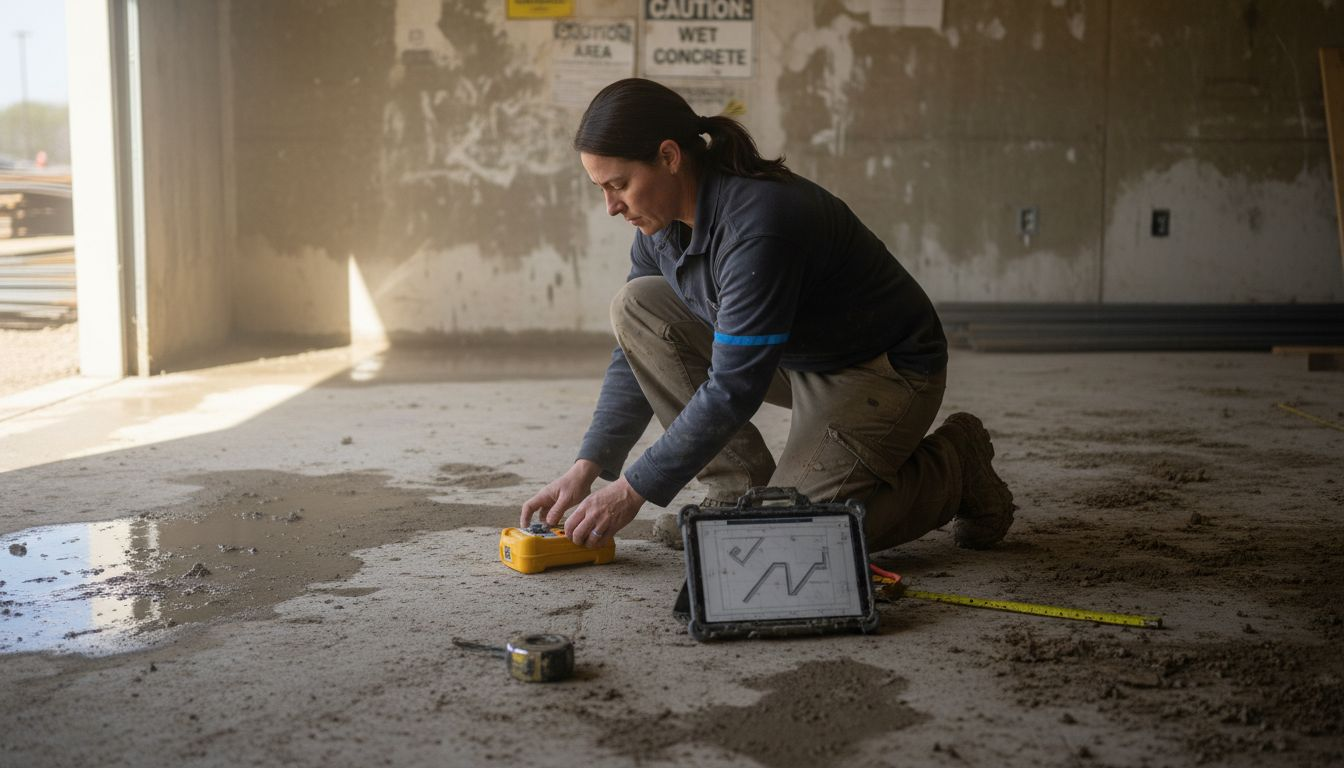
Forensic engineering processes involve multiple critical stages designed to thoroughly examine and document potential structural issues. The investigation begins with comprehensive site assessment, evidence preservation, and strategic data collection to establish a clear understanding of the problem’s origins.
Key investigation methods typically encompass:
- Initial Site Assessment
- Visual site inspection
- Preliminary risk evaluation
- Safety protocol implementation
- Evidence Collection
- Physical sample gathering
- Photographic and video documentation
- Comprehensive note-taking
- Technical Analysis
- Destructive and non-destructive testing
- Advanced computational modeling
- Material composition examination
Forensic engineers utilize a range of sophisticated diagnostic techniques to conduct thorough investigations:
- Visual inspection and documentation
- Non-destructive testing protocols
- Advanced scanning and imaging technologies
- Material stress and load simulations
- Collaborative expert consultations
Schedule analysis plays a crucial role in understanding project timelines and potential disruptions. By employing critical path method (CPM) scheduling techniques, forensic engineers can:
- Identify specific delay causes
- Quantify project impact
- Provide structured legal evidence
Forensic investigation methods transform technical uncertainties into scientifically validated insights that support legal proceedings and prevent future construction failures.
These comprehensive approaches enable forensic engineers to provide detailed, objective assessments that can resolve complex construction disputes, support insurance claims, and ensure long-term structural safety.
Pro tip: Maintain a detailed, chronological record of all observations and evidence during forensic investigations, as comprehensive documentation can significantly strengthen investigative conclusions.
Legal Standards and Insurance Implications
Forensic engineering operates within a complex legal framework that requires precise adherence to professional standards and meticulous documentation. The intersection of technical expertise and legal requirements demands forensic engineers maintain exceptional rigor and objectivity throughout their investigations.
Forensic engineering standards in the United States are comprehensively defined by professional organizations like ASTM, which establish critical guidelines for expert testimony, investigation protocols, and legal compliance. These standards ensure that forensic engineers provide credible, scientifically validated evidence that can withstand intense legal scrutiny.
Key legal and insurance considerations include:
- Professional Qualifications
- Certified engineering credentials
- Specialized forensic investigation training
- Documented professional experience
- Investigative Documentation
- Comprehensive written reports
- Objective technical analysis
- Clear evidentiary presentation
- Legal Compliance Requirements
- Adherence to industry standards
- Impartial expert testimony
- Precise evidence collection protocols
Forensic engineers must navigate multiple complex legal dimensions:
- Compliance with professional practice standards
- Preparation of admissible expert reports
- Supporting litigation and insurance claims
- Maintaining professional liability standards
- Providing objective technical interpretations
Insurance implications of forensic investigations are particularly significant, as these detailed assessments can directly impact claim resolutions:
- Determining causation of structural failures
- Evaluating potential negligence
- Quantifying financial damages
- Supporting subrogation processes
- Providing expert risk assessments
Forensic engineering reports serve as critical bridges between technical complexity and legal requirements, transforming technical findings into comprehensible, defensible evidence.
The ultimate goal of these rigorous standards is to ensure that forensic engineering investigations provide reliable, scientifically validated insights that support fair legal and insurance outcomes.
Here’s a summary of how forensic engineering impacts both technical outcomes and legal processes:
| Area of Impact | Technical Benefits | Legal/Insurance Benefits |
|---|---|---|
| Root Cause Analysis | Identifies failure origins | Provides evidence for claims |
| Documentation Quality | Enhances accuracy | Supports legal proceedings |
| Advanced Testing | Reveals hidden defects | Validates expert testimony |
| Expert Interpretation | Promotes objective findings | Reduces liability risk |
Pro tip: Always maintain meticulous, chronological documentation during forensic investigations, as comprehensive and objective records are crucial for legal and insurance credibility.
Common Mistakes and Prevention Strategies
Forensic engineering investigations demand exceptional precision, with even minor errors potentially compromising entire analytical outcomes. Understanding and mitigating common mistakes is crucial for maintaining the integrity and reliability of technical assessments in construction forensic analysis.
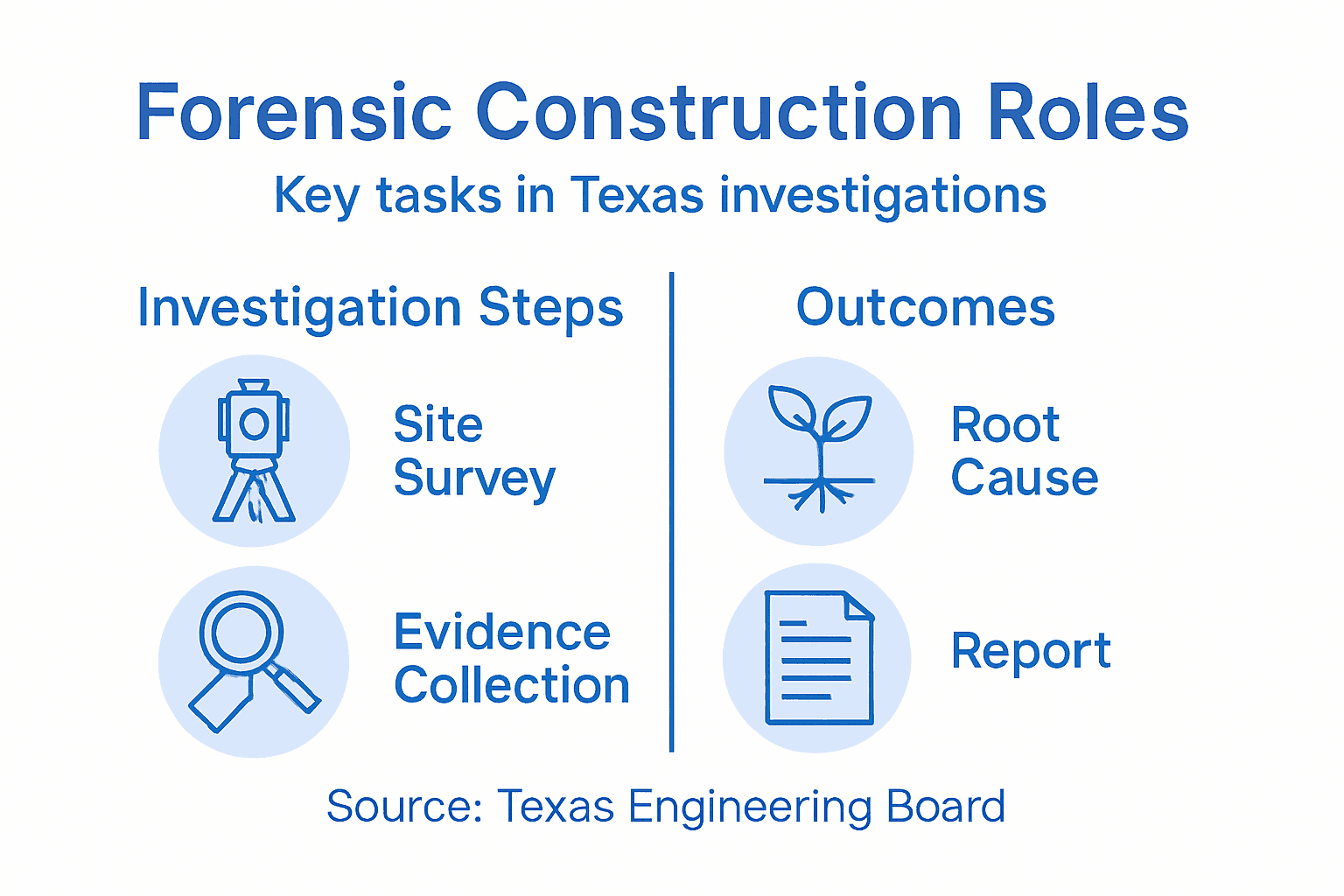
Forensic investigation challenges frequently stem from cognitive biases, inadequate evidence collection, and incomplete analytical processes. Forensic engineers must develop robust strategies to counteract these potential pitfalls and ensure comprehensive, objective investigations.
Common mistakes in forensic engineering include:
- Investigative Bias
- Premature hypothesis formation
- Confirmation bias in evidence interpretation
- Overlooking contradictory evidence
- Documentation Errors
- Incomplete site documentation
- Inconsistent evidence recording
- Inadequate photographic documentation
- Technical Limitations
- Insufficient testing protocols
- Narrow investigative perspectives
- Lack of multidisciplinary collaboration
Prevention strategies for mitigating forensic investigation risks involve:
- Implementing rigorous standardized procedures
- Utilizing multidisciplinary analysis teams
- Developing comprehensive documentation protocols
- Conducting independent peer reviews
- Maintaining continuous professional training
Critical prevention approaches require forensic engineers to:
- Maintain strict objectivity
- Use systematic investigation methods
- Document every investigative step meticulously
- Engage multiple expert perspectives
- Continuously update technical knowledge
Effective forensic investigations transform potential limitations into opportunities for comprehensive, scientifically validated technical insights.
Successful prevention demands a proactive approach that anticipates potential errors and establishes robust methodological safeguards throughout the investigative process.
The table below contrasts common mistakes with recommended prevention strategies in forensic engineering:
| Common Mistake | Major Risk Created | Recommended Prevention Method |
|---|---|---|
| Investigative bias | Incorrect conclusions | Use objective, peer-reviewed processes |
| Incomplete documentation | Disputed findings | Develop standardized documentation |
| Technical limitations | Missed root causes | Employ multidisciplinary expertise |
Pro tip: Always establish a comprehensive checklist and follow systematic investigation protocols to minimize human error and maintain the highest standards of forensic engineering analysis.
Strengthen Your Texas Construction Projects with Expert Forensic Analysis
Understanding the complexities of forensic analysis in Texas construction is essential for identifying hidden structural failures, material defects, and environmental risks. Whether you are facing challenges with foundation settlements, flood damage, or construction defects, relying on experienced forensic engineers ensures that the root causes are uncovered through precise, scientifically validated investigations. Key concepts like comprehensive evidence collection, advanced computational modeling, and schedule analysis become invaluable in resolving disputes and preventing future issues.
Take control of your project’s safety and legal outcomes by partnering with proven professionals. Explore our TLE Archives – Texas Licensed Engineers | Residential & Commercial for detailed insights and real case solutions on forensic investigations and structural inspections tailored for Texas properties.

Don’t let unresolved structural problems threaten your investment. Act now and secure a thorough forensic assessment by visiting Texas Licensed Engineers. Our team offers expert services including foundation inspections, flood damage analysis, and comprehensive forensic investigations across Houston, Austin, Dallas, San Antonio, and beyond. For more technical guidance and updates, browse our Uncategorized Archives – Global Forensic Engineers and stay informed on industry best practices.
Start protecting your Texas construction projects today with trusted forensic expertise.
Frequently Asked Questions
What is forensic analysis in construction?
Forensic analysis in construction is a detailed investigative process conducted by engineering professionals to examine structural failures, accidents, and potential design or construction defects, much like a detective uncovering complex technical issues to ensure safety and integrity.
How does a forensic engineer investigate structural failures?
A forensic engineer investigates structural failures by conducting thorough site assessments, collecting and preserving evidence, performing detailed material testing, and utilizing advanced computational modeling to understand the underlying causes of the issues.
What types of investigations do forensic engineers conduct?
Forensic engineers conduct various investigations, including those related to structural failures, material defects, and environmental impacts. They assess foundation settlement, load-bearing capacity, corrosion, and damages from natural disasters, among other issues.
Why is documentation important in forensic investigations?
Documentation is crucial in forensic investigations as it ensures a comprehensive record of all observations, evidence, and testing protocols. This detailed documentation enhances the credibility and reliability of the investigation, especially in legal and insurance contexts.
Recommended
- Forensic Structural Analysis: Risks And Legal Impact In Texas – Texas Licensed Engineers | Residential & Commercial
- Complete Guide to Forensic Engineering Process in Texas – Texas Licensed Engineers
- Forensic Engineering Steps Texas: Guide for Homeowners – Texas Licensed Engineers
- Defining Structural Analysis: Impact for Texas Homes – Texas Licensed Engineers | Residential & Commercial

