
Step-by-Step Guide to Texas Foundation Inspections
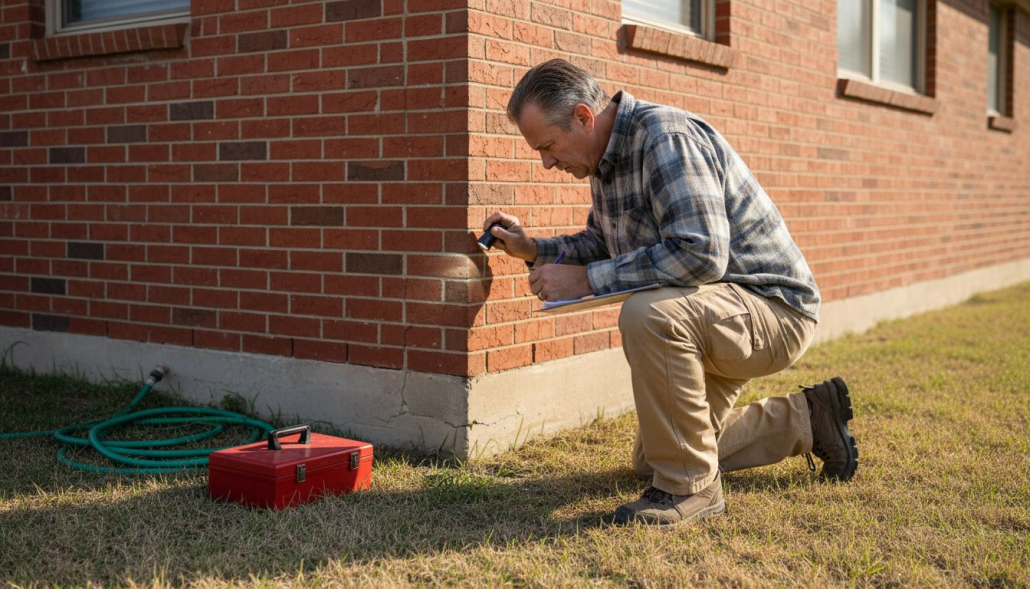
Spotting cracks along your living room wall or noticing doors that refuse to close smoothly can make any Houston or Dallas homeowner uneasy. Left unchecked, these subtle warning signs may point to serious foundation trouble lurking beneath your property. With careful observation and a systematic approach, you can take the first steps toward safeguarding your home and learning how a professional inspection reveals what lies beneath. Boldly recognizing these early signals empowers you to act before costly repairs become unavoidable.
Table of Contents
- Step 1: Assess Visible Signs Of Foundation Issues
- Step 2: Gather Essential Property Information
- Step 3: Schedule A Licensed Texas Engineer Inspection
- Step 4: Conduct Thorough On-Site Foundation Assessment
- Step 5: Review Inspection Report And Recommendations
Quick Summary
| Key Point | Explanation |
|---|---|
| 1. Identify foundation problems early | Regularly inspect for cracks and irregularities to prevent costly repairs later. Early detection is crucial for maintaining foundation integrity. |
| 2. Gather essential property information | Collect all relevant documents like blueprints and survey reports to understand potential foundation risks and environmental conditions. |
| 3. Schedule a licensed engineer inspection | Engage a qualified engineer for a thorough assessment, focusing on their qualifications and experience to ensure accurate evaluations. |
| 4. Conduct detailed on-site assessment | Use specialized tools to measure and document foundation conditions systematically for effective analysis and future reference. |
| 5. Understand the inspection report | Carefully review recommendations and severity ratings in the inspection report to make informed decisions about repairs and maintenance. |
Step 1: Assess visible signs of foundation issues
Foundation inspections require careful observation of specific symptoms indicating potential structural problems. Homeowners can learn to recognize early warning signs by systematically examining their property’s exterior and interior surfaces.
Start your foundation assessment by visually inspecting both the exterior foundation walls and interior living spaces. Look for these critical indicators:
- Horizontal or vertical wall cracks wider than 1/4 inch
- Uneven or sloping floors
- Doors and windows that stick or fail to close properly
- Separation between walls and ceiling or floor
- Diagonal cracks near window and door frames
Cracks tell an important story about potential foundation movement. Key foundation inspection indicators suggest paying special attention to crack patterns and width. Hairline cracks might be normal settling, but wider fractures could signal serious structural shifts.
Outdoor examination is equally crucial. Check the ground around your foundation for signs of soil erosion, poor drainage, or visible foundation shifting. Look for areas where the soil has pulled away from the foundation walls, which can indicate potential settlement issues.
Foundation problems rarely improve on their own. Early detection can save thousands in potential repair costs.
Pro tip: Use a camera to document and track any visible foundation changes over time, creating a chronological record for professional assessment.
Step 2: Gather essential property information
Gathering comprehensive property details is a critical first step in understanding potential foundation challenges. This systematic information collection will provide engineers and inspectors with crucial context about your property’s unique characteristics and potential risk factors.
Start by collecting these essential documents and information:
- Original building blueprints or construction plans
- Property survey documents
- Age of the property
- Previous foundation repair records
- Local building permit history
- Soil composition reports
Foundation inspection requirements emphasize the importance of understanding your property’s specific environmental conditions. Pay special attention to groundwater and soil characteristics, which can significantly impact foundation stability.
Contact local county offices or a professional surveyor to obtain precise information about your property’s geological profile. Understanding groundwater management zones can reveal potential drainage issues that might affect your foundation’s long-term integrity.
Comprehensive property information is your first defense against unexpected foundation problems.
Pro tip: Create a dedicated digital folder to organize and preserve all property documentation for easy future reference and professional consultations.

Step 3: Schedule a licensed Texas engineer inspection
Scheduling a professional foundation inspection requires careful planning and understanding of Texas regulatory requirements. Your goal is to connect with a qualified licensed engineer who can provide a comprehensive assessment of your property’s structural integrity.
Begin by researching licensed professional engineers who specialize in foundation evaluations. Look for these key qualifications:
- Current Texas Professional Engineer (PE) license
- Experience in residential foundation assessments
- Specialized knowledge of local soil and geological conditions
- Positive professional references
- Documented foundation inspection expertise
Contact potential engineers and prepare the following information for your initial consultation:
- Property address and age
- Specific foundation concerns or observed issues
- Property survey and previous inspection documents
- Detailed description of foundation symptoms
When scheduling structural inspections, confirm the engineer’s availability and request a comprehensive written assessment that includes diagnostic recommendations.
A thorough foundation inspection by a licensed professional can prevent thousands of dollars in potential repair costs.
Pro tip: Request multiple quotes and compare detailed inspection scopes to ensure you receive the most comprehensive foundation assessment possible.
Step 4: Conduct thorough on-site foundation assessment
Conducting a comprehensive on-site foundation assessment requires systematic observation and professional-level attention to detail. Your goal is to document and analyze every potential indicator of structural movement or potential foundation issues.
Foundation assessment guidelines recommend examining these critical areas:
- Exterior foundation perimeter
- Interior floor and wall surfaces
- Drainage patterns around the property
- Soil conditions and moisture levels
- Structural connection points
- Visible concrete or masonry cracking
Begin by measuring and documenting key foundation characteristics. Utilize specialized tools such as:
Here’s a quick comparison of common foundation inspection tools and their roles:
| Tool | Purpose | Typical Use Location |
|---|---|---|
| Digital level | Measures floor and wall elevation | Interior and exterior |
| Moisture meter | Checks moisture in soil and walls | Around foundation and walls |
| Crack measurement gauge | Tracks crack width and progression | Walls, floors, foundation |
| High-resolution camera | Documents physical changes over time | All property areas |
- Digital level for precise surface measurements
- Moisture meter for soil and wall analysis
- Crack measurement gauge
- High-resolution digital camera
Understand that geotechnical engineering principles emphasize the importance of integrating field observations with scientific data collection techniques.
Precise, methodical documentation transforms a simple inspection into a comprehensive structural assessment.
Pro tip: Take multiple photographs from consistent angles during your assessment to create a reliable visual record for future comparison and professional analysis.
Step 5: Review inspection report and recommendations
Understanding your foundation inspection report is crucial for making informed decisions about potential repairs and maintenance. The document provides a comprehensive analysis of your property’s structural condition and potential risk factors.
Foundation inspection reports typically include several key sections:
- Executive summary of findings
- Detailed structural assessment
- Observed damage locations
- Soil condition analysis
- Recommended repair strategies
- Potential future maintenance recommendations
Critical components to examine closely include:
- Severity ratings for identified issues
- Estimated repair costs
- Potential long-term structural implications
- Recommended timeline for interventions
Pay special attention to the standardized evaluation criteria that classify foundation problems by urgency and potential impact on your property’s structural integrity.
To help interpret a foundation inspection report, consider these key report components and their relevance:
| Section | What It Covers | Importance for Homeowners |
|---|---|---|
| Executive summary | Main conclusions and risk overview | Quickly identifies major issues |
| Soil condition analysis | Describes soil types and moisture | Reveals hidden environmental risks |
| Recommended repairs | Lists repair actions and priorities | Guides informed decision-making |
| Maintenance suggestions | Offers ongoing care strategies | Prevents future foundation damage |
Not all foundation issues require immediate intervention, but understanding the nuanced recommendations is key to protecting your investment.
Pro tip: Ask your engineer to walk you through the report in person, ensuring you fully comprehend each recommendation and its potential implications for your home.
Ensure Your Texas Foundation Stands Strong with Expert Engineering Support
Foundation challenges such as visible wall cracks, uneven floors, and drainage issues can threaten your home’s safety and value. This step-by-step guide highlights the importance of early detection and professional assessment by licensed engineers who understand Texas soil and structural conditions. Don’t let foundation problems become costly repairs. Secure your property’s stability with trusted professionals who provide thorough inspections, detailed reports, and tailored repair recommendations.

Ready to protect your home or commercial building now Discover expert guidance and licensed foundation inspection services designed for Texas residents and businesses. Explore comprehensive solutions on the TLE Archives – Texas Licensed Engineers | Residential & Commercial page and take action today. Visit texaslicensedengineers.com to schedule your inspection and receive professional advice that helps you avoid expensive surprises later.
Frequently Asked Questions
What are the common signs of foundation issues in my home?
Foundation issues can manifest as wall cracks wider than 1/4 inch, uneven floors, and doors or windows that stick. Begin your inspection by looking for these symptoms both inside and outside your property to catch potential problems early.
How can I gather essential property information for a foundation inspection?
To prepare for a foundation inspection, collect documents such as original blueprints, property surveys, and any previous repair records. Organize all relevant information to provide a clear context for the inspector, helping them assess your specific situation accurately.
How do I find a licensed engineer for foundation inspection in Texas?
Research Texas licensed professional engineers specializing in foundation evaluations. Ensure they have experience with residential properties and request their qualifications before scheduling an inspection to confirm they meet your needs.
What should I expect during a professional foundation inspection?
During a foundation inspection, expect the engineer to assess the foundation’s exterior and interior, including checking drainage patterns and soil conditions. Prepare to discuss any observed issues, as this will help the inspector provide a thorough analysis and recommendations.
How will I interpret the foundation inspection report?
The foundation inspection report will include sections such as a summary of findings, severity ratings for issues, and recommended repair strategies. Review these components carefully to understand the implications for your property and plan necessary actions or repairs accordingly.
What actions can I take if my foundation inspection reveals issues?
If your inspection reveals foundation issues, prioritize the recommended repairs based on severity ratings in your report. Take action quickly, as addressing problems promptly can help prevent further damage and save on repair costs.
Recommended
- Foundation Inspection Checklist for Texas Homes and Buildings – Texas Licensed Engineers
- 7 Essential Steps for a Structural Inspection Checklist – Texas Licensed Engineers | Residential & Commercial
- Why Foundation Inspections Matter for Texas Homes – Texas Licensed Engineers | Residential & Commercial
- 7 Essential Steps for a Structural Inspection Checklist – Texas Licensed Engineers | Residential & Commercial

