
Role of Engineers in Texas Real Estate Success

Meeting rigorous building standards in Houston or Dallas is tough when every project faces shifting codes, environmental pressures, and infrastructure demands. For licensed contractors and realtors, the expertise of engineers is vital to transform development ideas into compliant, functional properties. By connecting technical strategy with complex regulatory needs, the role of engineers in Texas real estate delivers value that safeguards investments and ensures lasting safety for both residential and commercial builds.
Table of Contents
- Defining Engineer’s Role In Texas Real Estate
- Types Of Engineering Services In Property
- Licensing, Codes, And Regulatory Compliance
- Key Responsibilities In Building And Inspection
- Risks, Liabilities, And Cost Implications
Key Takeaways
| Point | Details |
|---|---|
| Engineers’ Role in Real Estate | Engineers in Texas are essential for transforming land into compliant and functional properties through their technical expertise. |
| Types of Engineering Services | Various engineering disciplines, including Civil, Structural, and Environmental Engineering, are crucial for property development in Texas. |
| Licensing and Compliance | Engineers must adhere to strict licensing standards set by the Texas Board of Professional Engineers to ensure public safety and project integrity. |
| Risk Management | Effective risk management strategies in real estate engineering help mitigate financial and legal liabilities associated with construction projects. |
Defining Engineer’s Role in Texas Real Estate
Engineers play a critical strategic role in Texas real estate success, bridging technical expertise with complex development requirements. In the dynamic landscape of Texas property markets, these professionals provide essential services that transform raw land and architectural concepts into functional, safe, and compliant built environments.
The Construction Engineering and Project Management approach integrates technical skills with strategic planning, enabling engineers to address multiple critical dimensions of real estate development. Comprehensive project management techniques help engineers coordinate complex interactions between design, regulatory compliance, and infrastructure requirements.
Key responsibilities of engineers in Texas real estate include:
- Conducting detailed site evaluations and feasibility assessments
- Developing precise architectural and structural plans
- Ensuring compliance with local and state building regulations
- Managing infrastructure integration and utility connections
- Performing risk assessments for potential development challenges
Engineers leverage comprehensive market data from sources like the Texas Real Estate Research Center to make informed decisions about land use, development potential, and infrastructure requirements. Their technical expertise allows them to translate raw geographic and economic data into actionable development strategies.
Pro tip: Always engage a licensed Texas engineer early in your real estate project to identify potential structural or regulatory challenges before significant investments are made.
Types of Engineering Services in Property
Engineering services in real estate encompass a diverse range of specialized disciplines that are critical to successful property development and management. Various engineering disciplines work collaboratively to ensure properties meet safety standards, regulatory requirements, and functional design objectives across residential, commercial, and industrial sectors.
The primary types of engineering services relevant to property development include:
- Civil Engineering: Focuses on site planning, infrastructure design, land grading, and utility system integration
- Structural Engineering: Designs building frameworks, assesses structural integrity, and ensures load-bearing capabilities
- Environmental Engineering: Evaluates site environmental conditions, manages potential contamination risks, and ensures ecological compliance
- Geotechnical Engineering: Analyzes soil conditions, determines foundation requirements, and assesses ground stability
- Architectural Engineering: Integrates technical systems like electrical, mechanical, and plumbing within building designs
The Construction Engineering and Project Management approach demonstrates how these disciplines interconnect to create comprehensive property development strategies. Each engineering specialty contributes unique expertise that transforms raw land into functional, safe, and compliant built environments.
Modern engineering services extend beyond traditional design roles, incorporating advanced technologies like building information modeling, predictive analytics, and comprehensive risk assessment techniques. These innovative approaches enable engineers to provide more precise, data-driven solutions that optimize property development processes.
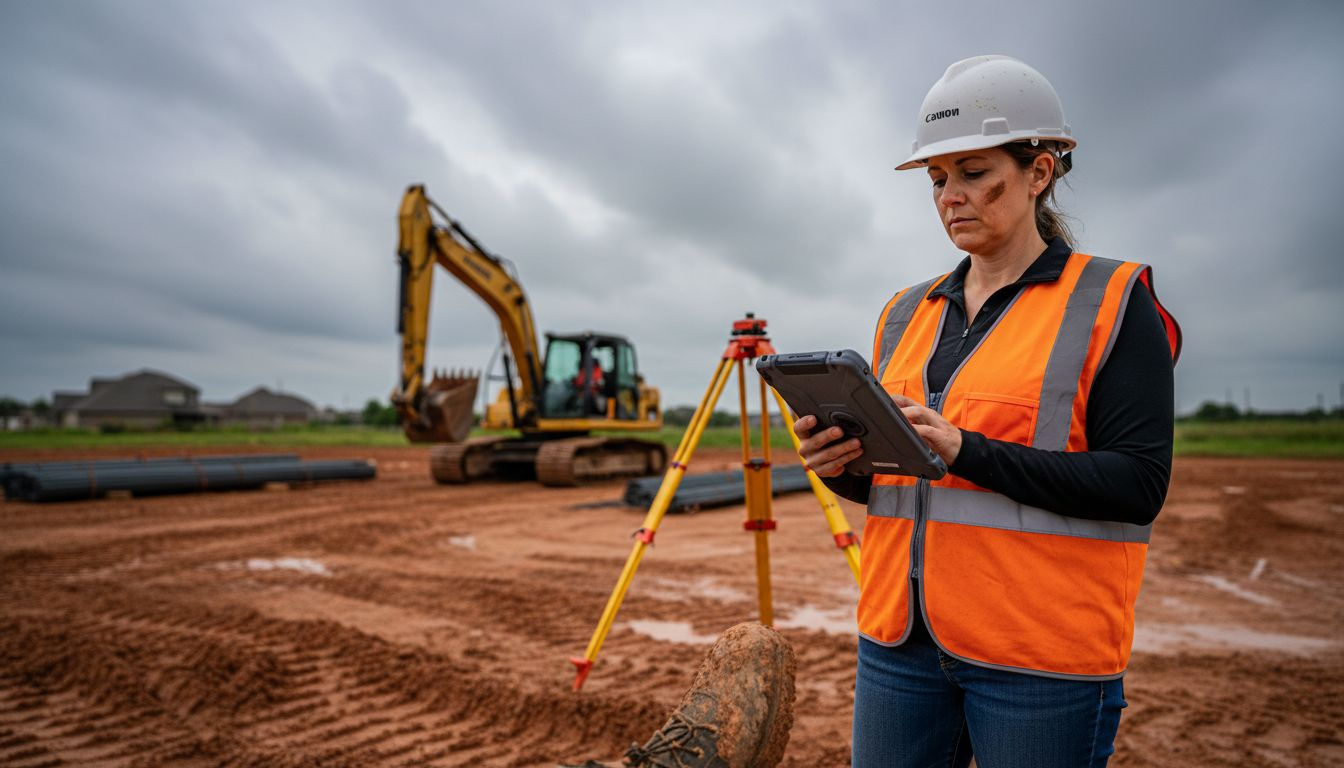
Here’s how major engineering disciplines contribute to Texas real estate projects:
| Discipline | Key Focus Area | Primary Value to Project |
|---|---|---|
| Civil Engineering | Site layout and utilities | Maximizes land usability and access |
| Structural Engineering | Framing and load design | Enhances building safety and longevity |
| Environmental Engineering | Site sustainability | Reduces environmental impact and risk |
| Geotechnical Engineering | Soil and foundation study | Minimizes ground instability issues |
| Architectural Engineering | System integration | Optimizes energy and building efficiency |
Pro tip: When initiating a real estate project, engage multiple engineering specialties early to identify potential challenges and develop integrated, cost-effective solutions.
Licensing, Codes, and Regulatory Compliance
Engineering licensing in Texas represents a critical framework that ensures professional competence and public safety in real estate development. Texas Board of Professional Engineers establishes rigorous standards that engineers must meet to practice legally and ethically in the state’s complex real estate landscape.
The licensing process for professional engineers involves several essential components:
- Educational Requirements: Completing an accredited engineering degree from an recognized institution
- Professional Examination: Passing comprehensive engineering licensing exams demonstrating technical competency
- Work Experience: Accumulating verified professional engineering experience under licensed supervision
- Continuing Education: Maintaining ongoing professional development through approved educational credits
- Background Verification: Passing comprehensive background checks and professional ethics assessments
Engineering licensure standards serve multiple critical functions in real estate development, including protecting public safety, ensuring technical competence, and maintaining high professional standards. These regulations create a structured approach to verifying an engineer’s ability to design, assess, and manage complex property development projects.
The regulatory compliance process extends beyond initial licensing, requiring engineers to stay current with evolving building codes, safety regulations, and technical standards. This ongoing commitment ensures that real estate projects meet the highest levels of structural integrity, environmental sustainability, and public safety.
Pro tip: Always verify an engineer’s current license status and professional credentials before engaging them for any real estate development project.
Key Responsibilities in Building and Inspection
Engineers play a crucial role in ensuring the safety, compliance, and structural integrity of real estate projects across Texas. Building officials and plans examiners work closely with engineers to establish rigorous standards that protect public safety and maintain high-quality construction practices.
The key responsibilities of engineers in building and inspection encompass several critical areas:
- Structural Integrity Assessment: Evaluating the load-bearing capacity and structural soundness of buildings
- Code Compliance Verification: Ensuring all construction meets local, state, and federal building regulations
- Safety Inspection: Conducting comprehensive safety evaluations at multiple project stages
- Environmental Impact Analysis: Assessing potential ecological consequences of construction projects
- Technical Documentation Review: Examining architectural plans, engineering drawings, and technical specifications
Civil engineers play a pivotal community role by providing comprehensive inspection services that go beyond mere technical compliance. They serve as critical gatekeepers who ensure that real estate developments meet the highest standards of safety, functionality, and long-term sustainability.
The inspection process is dynamic and comprehensive, requiring engineers to continuously adapt to evolving building technologies, materials, and regulatory requirements. This ongoing commitment helps mitigate potential risks, prevent structural failures, and protect the substantial investments of property owners and developers.
Pro tip: Request a detailed inspection report and comprehensive documentation from your engineer to understand the full scope of building assessments and potential improvement areas.
Risks, Liabilities, and Cost Implications
Engineers in Texas real estate face complex risk management challenges that directly impact project financial outcomes and legal responsibilities. Ethical engineering practices emphasize proactive risk mitigation strategies that protect both public safety and project investments.
Primary risk categories in real estate engineering include:
- Structural Failure Risks: Potential catastrophic failures due to design or material deficiencies
- Regulatory Compliance Risks: Financial penalties from code violations or improper documentation
- Environmental Liability Risks: Potential ecological damage and associated legal consequences
- Professional Negligence Risks: Legal actions stemming from design errors or oversight
- Economic Performance Risks: Project cost overruns and reduced investment returns
Texas infrastructure challenges significantly influence the long-term cost implications of real estate development. Engineers must navigate complex environmental pressures, aging infrastructure, and rapidly changing regulatory landscapes that can dramatically impact project economics.
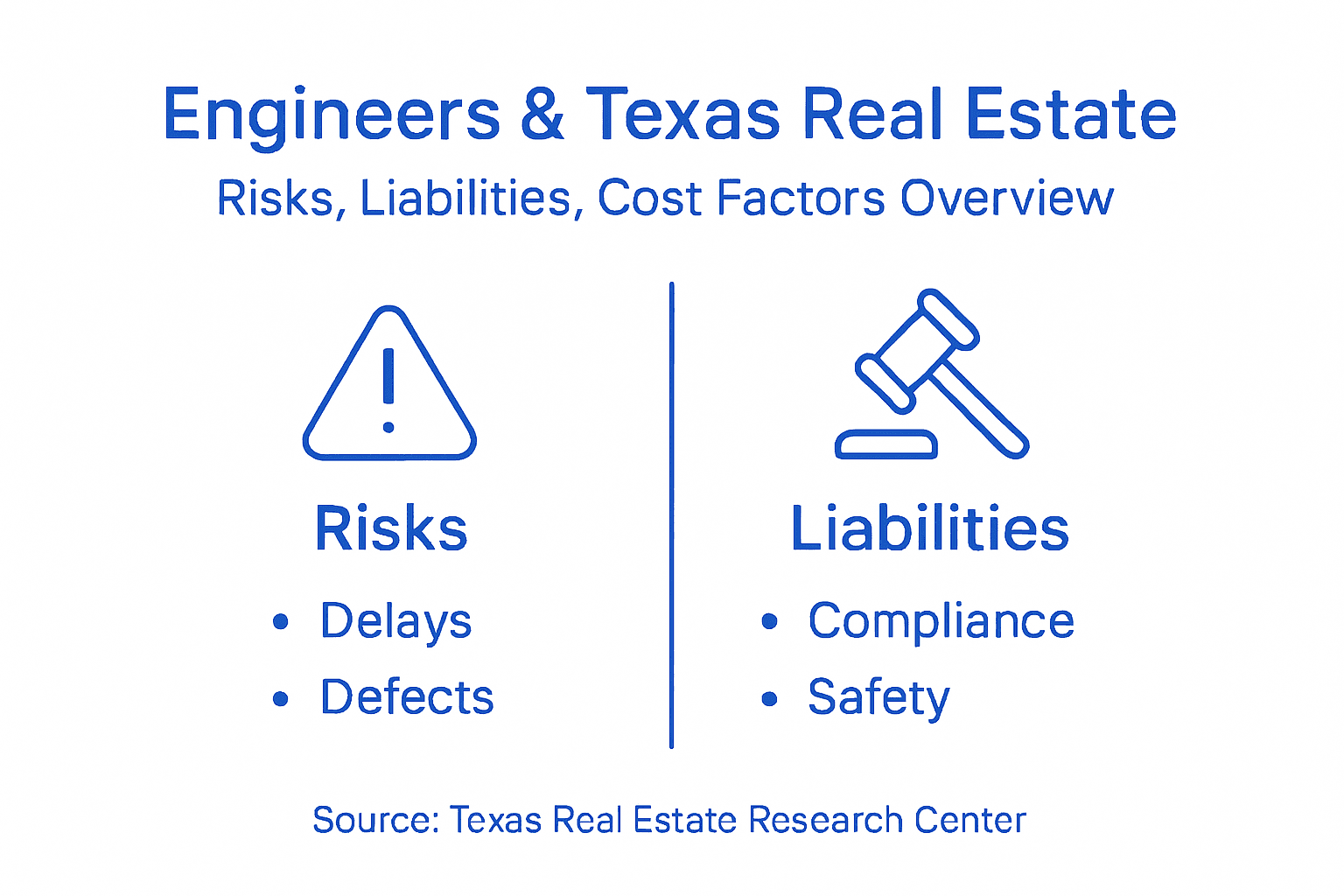
Risk management in engineering requires a comprehensive approach that integrates technical expertise, predictive analysis, and ongoing monitoring. Successful risk mitigation involves detailed documentation, proactive problem identification, and strategic planning that anticipates potential challenges before they become costly legal or structural issues.
This table highlights risk impacts and mitigation strategies common in Texas real estate engineering:
| Risk Type | Project Impact | Example Mitigation Tactic |
|---|---|---|
| Structural failure | Costly repairs or collapse | Routine quality inspections |
| Code noncompliance | Fines, project delays | Ongoing regulatory training |
| Environmental liability | Lawsuits, cleanup costs | Proactive site assessments |
| Professional negligence | Legal claims, reputational harm | Clear documentation, peer reviews |
| Cost overruns | Reduced ROI, abandoned projects | Conservative budgeting, contingency plans |
Pro tip: Invest in comprehensive professional liability insurance and maintain meticulous project documentation to protect against potential engineering-related financial and legal risks.
Secure Success in Texas Real Estate with Trusted Engineering Expertise
The journey from raw land to a safe and compliant property requires precise engineering solutions tailored to Texas’ unique market challenges. Whether you face complex site evaluations or need thorough structural inspections, understanding the critical role of licensed engineers can protect your investment and streamline development. Key pain points like regulatory compliance, risk mitigation, and integrated project management demand experienced professionals who turn challenges into opportunities for lasting value.
Explore comprehensive engineering services designed to meet residential and commercial project needs at TLE Archives – Texas Licensed Engineers | Residential & Commercial.

Don’t wait until costly issues arise. Connect with trusted experts ready to handle foundation inspections, construction permits, forensic investigations, and more across Houston, Austin, Dallas, San Antonio, and beyond. Visit Texas Licensed Engineers today to safeguard your Texas real estate project with proven engineering excellence. Learn how precision and compliance come together for your property’s success by visiting our detailed Engineering and Inspection Archives – Florida Licensed Engineers. Take action now and secure your project’s future.
Frequently Asked Questions
What are the main responsibilities of engineers in Texas real estate?
Engineers in Texas real estate are responsible for conducting site evaluations, developing architectural plans, ensuring compliance with building regulations, managing infrastructure integration, and performing risk assessments.
Why is it important to hire a licensed engineer for real estate projects?
Hiring a licensed engineer ensures that the project meets professional standards, regulatory compliance, and public safety requirements. They have the training and experience necessary to identify potential challenges early in the project.
What types of engineering services are essential for property development?
Essential engineering services for property development include civil engineering, structural engineering, environmental engineering, geotechnical engineering, and architectural engineering. Each discipline contributes specialized expertise to ensure successful project outcomes.
How do engineers mitigate risks in real estate projects?
Engineers mitigate risks by conducting thorough assessments, maintaining detailed documentation, and implementing proactive strategies. They address structural, regulatory, and environmental risks to prevent costly issues and ensure project viability.
Recommended
- Role of Engineers in Texas Construction Projects – Texas Licensed Engineers
- Role of Engineers in Texas Projects: Ensuring Safety and Compliance – Texas Licensed Engineers | Residential & Commercial
- Why Get Engineering Services in Texas Homes – Texas Licensed Engineers | Residential & Commercial
- Engineer’s Role at Closing – Ensuring Safe, Legal Transfers – Texas Licensed Engineers

