
Why Foundation Inspections Matter for Texas Homes
Foundation problems are a reality for many American homeowners in Texas, where shifting clay soils put homes at continuous risk. Without regular inspections, even a small structural issue can quietly grow into a major financial setback. More than 60 percent of homes in Houston and Austin will face foundation movement at some point. This article explains what foundation inspections really involve, why they matter for your property’s value and safety, and how taking action early could save you thousands.
Table of Contents
- Defining Foundation Inspections in Texas
- Common Types of Foundation Inspections
- Signs Your Property Needs Inspection
- Legal and Safety Risks of Skipping Inspections
- How Inspections Affect Home Value and Costs
Key Takeaways
| Point | Details |
|---|---|
| Importance of Foundation Inspections | Regular foundation inspections are crucial for identifying structural issues early, especially in Texas’s expansive clay soil regions. Proactive evaluations can prevent significant repair costs and enhance property value. |
| Types of Inspections | Various inspection types, including construction phase, forensic investigations, and repair verifications, cater to different structural challenges, ensuring comprehensive assessments. |
| Legal and Safety Risks | Skipping foundation inspections can lead to legal penalties, increased repair costs, and severe safety hazards, including potential structural failures and liability issues. |
| Impact on Property Value | Documented foundation health from inspections significantly enhances marketability and appraisal values, providing potential buyers with confidence in the property’s condition. |
Defining Foundation Inspections in Texas
Foundation inspections are comprehensive professional evaluations that assess the structural integrity and potential vulnerabilities of a home’s foundational system in Texas. These specialized assessments help homeowners understand the condition of their property’s critical support structure by examining multiple elements that contribute to long-term stability and safety.
Under the International Residential Code standards, foundation inspections in Texas encompass a detailed technical examination of footings, walls, soil conditions, and drainage systems. Professional engineers analyze key indicators like settlement patterns, potential structural shifts, moisture intrusion risks, and underground soil composition that could compromise a building’s structural performance. These inspections go beyond surface-level observations, utilizing advanced diagnostic techniques to detect subtle warning signs that might indicate emerging foundation problems.
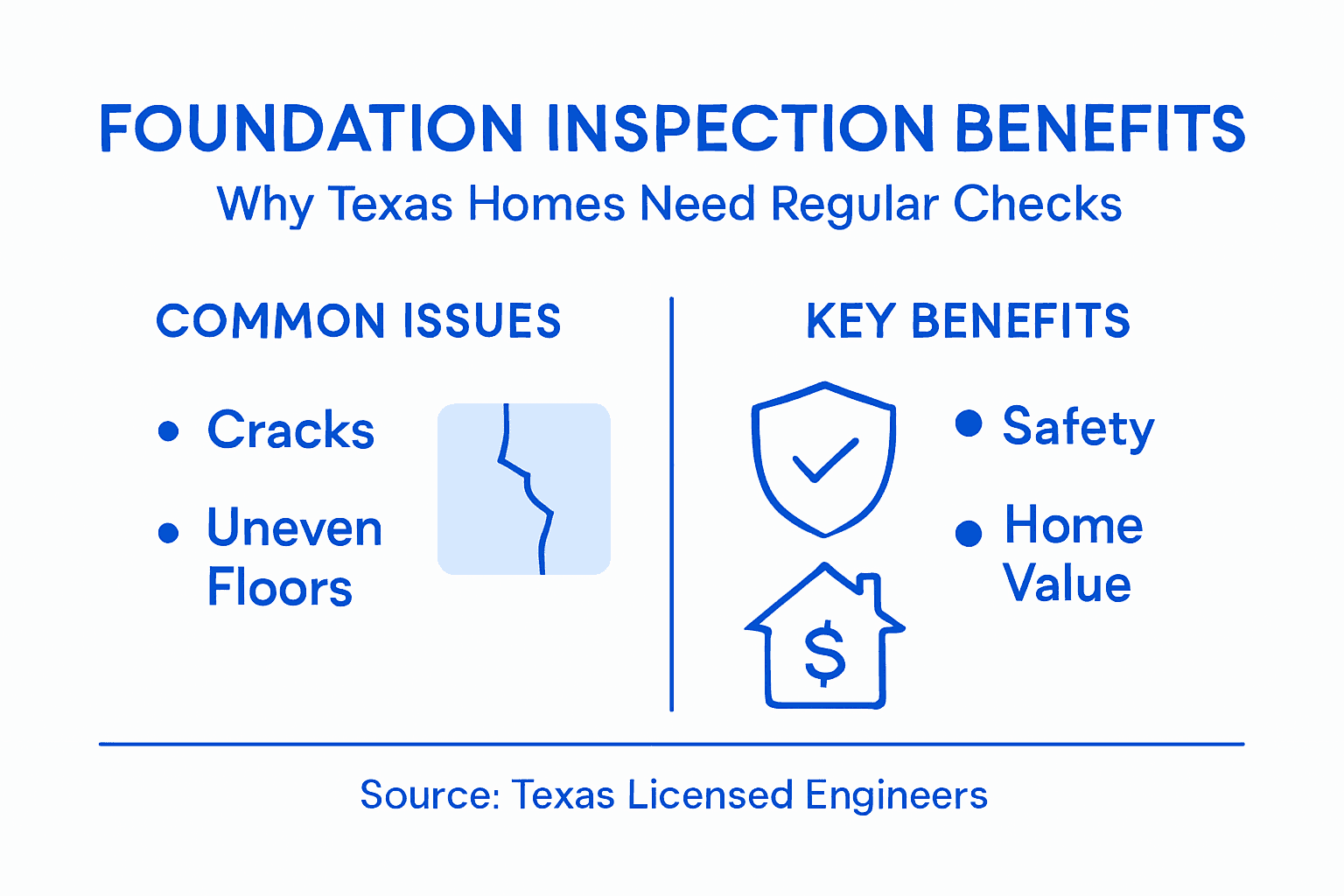
The primary objectives of a Texas foundation inspection include identifying existing damage, predicting potential future issues, and providing homeowners with actionable recommendations for maintenance or repair. Trained structural engineers conduct thorough visual and instrumental assessments, checking for signs of foundation distress such as horizontal or vertical cracks, uneven floor levels, wall separation, and exterior brick or concrete slab irregularities. By documenting these findings, inspectors create a comprehensive report that helps property owners make informed decisions about their home’s structural health.
Pro tip: Schedule foundation inspections proactively every 3-5 years, especially in regions with expansive clay soils common throughout Texas, to catch potential issues before they become expensive structural problems.
Common Types of Foundation Inspections
Foundation inspections in Texas are diverse and tailored to address specific structural challenges unique to different home types and geological conditions. Homeowners can expect multiple inspection approaches designed to comprehensively evaluate their property’s foundational integrity and potential vulnerabilities.
Structural inspections in Texas typically include several specialized assessment types, each serving a distinct purpose in identifying potential foundation issues. The primary categories include construction phase inspections, forensic investigations, repair verification inspections, and pre-purchase evaluations. Construction phase inspections focus on monitoring foundation installation during new building projects, ensuring proper soil preparation, reinforcement placement, and compliance with local building codes.
Forensic foundation investigations represent a more advanced inspection type, particularly critical for older homes or properties showing signs of structural stress. These comprehensive assessments involve detailed analysis of existing damage, soil movement patterns, drainage issues, and potential long-term structural risks. Professional engineers use advanced diagnostic tools like laser levels, electronic moisture meters, and ground-penetrating radar to create precise documentation of foundation conditions. Repair verification inspections are equally important, allowing engineers to confirm the effectiveness of previous foundation repair work and ensure structural stability has been successfully restored.
Pro tip: Request a detailed written report with photographic evidence during your foundation inspection, which provides crucial documentation for insurance claims and future property assessments.
Here’s a comparison of common foundation inspection types and their unique benefits for Texas homeowners:
| Inspection Type | Main Purpose | Best Used For |
|---|---|---|
| Construction Phase | Ensure proper new home foundation setup | New builds and major renovations |
| Forensic Investigation | Analyze existing or complex damage | Older homes with visible issues |
| Repair Verification | Confirm completed repairs are effective | Homes after foundation repairs |
| Pre-Purchase Evaluation | Assess risk before buying a property | Buyers seeking assurance |
Signs Your Property Needs Inspection
Foundation issues can develop gradually, making early detection crucial for Texas homeowners. Recognizing the warning signs that indicate potential structural problems can help prevent costly repairs and protect your property’s long-term value and safety.
Structural inspections are essential when visible signs of foundation damage emerge. These warning indicators include horizontal or vertical cracks in interior walls, exterior brickwork, or concrete surfaces, which often signal underlying foundation movement or settlement. Uneven or sloping floors, doors and windows that stick or no longer close properly, and visible gaps between walls and ceiling or floor are additional red flags that warrant professional investigation.
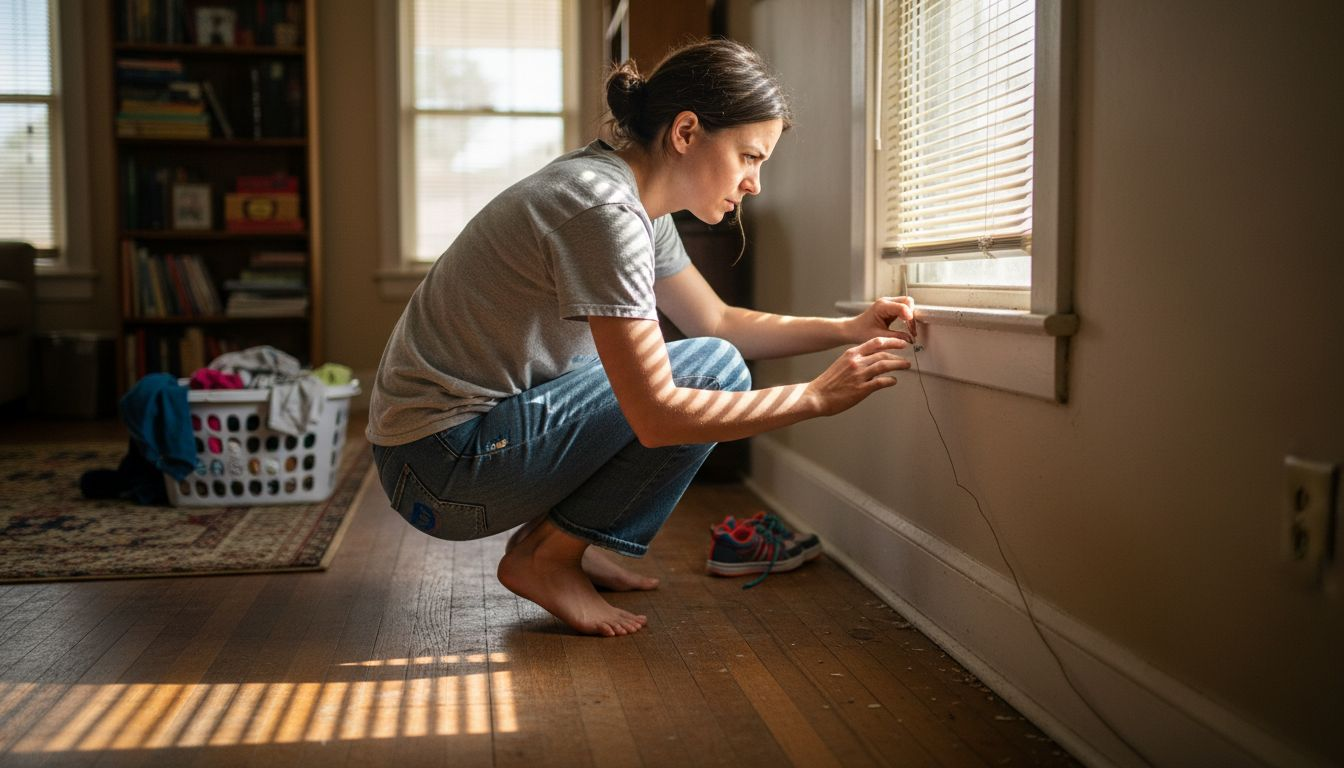
Moreover, external environmental factors can contribute to foundation stress in Texas homes. Water-related issues like poor drainage, standing water near the foundation, or significant soil erosion can compromise structural integrity. Homeowners should pay close attention to landscape changes, such as tree roots near the foundation, sudden ground shifts, or noticeable soil movement around the property. Seasonal changes in Texas, particularly with expansive clay soils that dramatically contract and expand, can accelerate foundation deterioration and create complex structural challenges that require expert assessment.
Pro tip: Conduct a simple walk-around inspection of your property every six months, taking photos to document and track any emerging foundation-related changes or potential warning signs.
Legal and Safety Risks of Skipping Inspections
Neglecting foundation inspections in Texas can expose homeowners to significant legal, financial, and safety risks that extend far beyond simple structural concerns. The consequences of avoiding professional assessments can create complex challenges that impact property value, insurance coverage, and personal liability.
Building code enforcement in Texas requires rigorous inspection protocols to protect public safety and ensure structural integrity. Skipping mandatory foundation inspections can result in severe legal consequences, including substantial fines, potential stop-work orders, and denial of occupancy certificates. Homeowners may find themselves facing costly legal battles, with insurance companies potentially refusing to cover damages resulting from uninspected structural issues. These penalties can create financial burdens that far exceed the cost of a professional foundation inspection.
Beyond legal ramifications, skipping foundation inspections poses critical safety risks for property occupants. Undetected structural problems can lead to catastrophic failures, including sudden foundation collapse, wall cracking, or complete structural compromise. In regions like Texas with challenging geological conditions and expansive clay soils, these risks are particularly pronounced. Structural failures can create immediate physical dangers to residents, potentially resulting in serious injuries or life-threatening situations. Additionally, unaddressed foundation issues can compromise a home’s overall structural stability, leading to progressive damage that becomes exponentially more expensive to repair over time.
Pro tip: Maintain a detailed inspection documentation file, including all professional assessment reports, which can serve as crucial evidence for insurance claims and potential legal protection.
See key risks associated with skipping professional foundation inspections:
| Risk Type | Example Scenario | Potential Outcome |
|---|---|---|
| Legal | Skipped mandated review | Fines, denial of occupancy certificate |
| Financial | Missed early damage signs | Increased repair costs, denied claims |
| Safety | Unseen structural failures | Potential collapse, injury risk |
| Property Value | No inspection documentation | Reduced market value, lost buyer trust |
How Inspections Affect Home Value and Costs
Foundation inspections represent a critical investment for Texas homeowners, directly influencing property value, marketability, and long-term financial stability. Understanding the economic implications of these professional assessments can help homeowners make informed decisions about their most significant asset.
Foundation maintenance impacts property value significantly by providing documented evidence of structural integrity to potential buyers and lenders. Regular inspections can prevent minor issues from escalating into expensive repairs, potentially saving homeowners thousands of dollars in remediation costs. Professional documentation of foundation health can increase appraisal values, improve marketability, and provide potential buyers with confidence in the property’s condition. These assessments serve as a critical risk management tool that demonstrates proactive property maintenance.
In Texas, where geological conditions like expansive clay soils create unique structural challenges, foundation inspections become even more crucial to maintaining home value. Potential buyers and real estate professionals recognize that properties with comprehensive inspection histories are less likely to have hidden structural problems. The upfront cost of professional inspections is typically minimal compared to potential repair expenses, with most homeowners saving significant money by identifying and addressing foundation issues early. Insurance companies and mortgage lenders often view regular foundation inspections as a positive indicator of responsible property management, which can lead to more favorable terms and rates.
Pro tip: Request a detailed foundation inspection report before selling your home, as this documentation can increase buyer confidence and potentially expedite the sale process.
Protect Your Texas Home with Expert Foundation Inspections
Foundation issues can jeopardize your home’s safety and value without warning. This article highlights the critical importance of regular foundation inspections to identify hidden problems such as soil movement, moisture intrusion, and structural cracks early. We understand your concerns about costly repairs, legal risks, and maintaining property value in Texas’s challenging clay soil environment. That’s why professional, licensed engineering services are essential for peace of mind and long-term protection.
Discover how our experienced team at Texas Licensed Engineers delivers thorough inspections tailored to your property. From forensic investigations to construction phase assessments, we provide detailed reports that empower you to take action before minor problems escalate. Explore insights and case studies through our TLE Archives – Texas Licensed Engineers | Residential & Commercial to learn why early detection matters.

Don’t wait until foundation issues compromise your home and safety. Visit Texas Licensed Engineers today to schedule a comprehensive inspection. Ensure your Texas property stays secure, compliant, and retains its market value with expert guidance every step of the way. For additional resources and updates, browse our Uncategorized Archives – Texas Structural Inspectors and connect with trusted professionals now.
Frequently Asked Questions
What are foundation inspections?
Foundation inspections are thorough evaluations that assess the structural integrity and potential vulnerabilities of a home’s foundation. Professionals examine various components, including footings, walls, soil conditions, and drainage systems, to understand the property’s structural health.
Why are foundation inspections important for homeowners?
Foundation inspections help identify existing damage, predict future issues, and provide actionable recommendations for maintenance or repair, ultimately protecting the investment and safety of the home.
How often should Texas homeowners schedule foundation inspections?
It is recommended that homeowners schedule foundation inspections every 3 to 5 years, particularly in areas with expansive clay soils, to catch potential issues early before they lead to costly repairs.
What signs indicate that a home needs a foundation inspection?
Warning signs include horizontal or vertical cracks in walls, uneven floors, doors or windows that won’t close properly, and visible gaps between walls and ceilings. Homeowners should also monitor for external factors like poor drainage or soil erosion that could affect the foundation.
Recommended
- 7 Types of Structural Inspections Every Texas Property Needs – Texas Licensed Engineers | Residential & Commercial
- Structural Inspection in Texas – Protecting Property Value – Texas Licensed Engineers | Residential & Commercial
- Structural Inspection Process: Safeguarding Texas Properties – Texas Licensed Engineers | Residential & Commercial
- Why Foundation Repair Needs Engineering Expertise – Texas Licensed Engineers | Residential & Commercial
