
How Structural Engineers Help Texas Properties Thrive
Over 90 percent of American homes rely on strong engineering to withstand unpredictable weather and shifting soil, especially in Texas where extremes are the norm. Texas property owners face high stakes every time a building goes up or renovations begin. Knowing what structural engineers actually do not only keeps families safe but protects investments for years to come. Uncover why expert guidance matters for every American tackling construction, purchasing, or repair across the state.
Table of Contents
- What Structural Engineers Do in Texas
- Types of Services Provided for Properties
- Structural Inspections, Plans, and Permits
- Forensic Investigation for Damage and Liability
- Risks, Costs, and Choosing the Right Engineer
Key Takeaways
| Point | Details |
|---|---|
| Importance of Structural Engineers | Structural engineers ensure safety, stability, and functionality of buildings in Texas, addressing unique environmental challenges. |
| Comprehensive Services Offered | They provide structural assessments, forensic investigations, planning, retrofitting solutions, and permitting assistance for various property types. |
| Navigating Risks and Costs | Choosing the right structural engineer is crucial to avoid long-term financial risks related to poorly designed structures. |
| Verification of Credentials | Always verify the engineer’s professional credentials, local experience, and insurance coverage before hiring. |
What Structural Engineers Do in Texas
Structural engineers play a critical role in ensuring the safety, stability, and functionality of buildings and infrastructure across the Lone Star State. Structural engineers at Texas universities focus on designing load-bearing structures like buildings, bridges, walls, and complex infrastructure systems that can withstand Texas’ unique environmental challenges.
These professionals are responsible for analyzing and designing structures that must resist extreme weather conditions, including powerful hurricanes along the Gulf Coast, intense heat in desert regions, and potential foundation issues caused by expansive clay soils. They create detailed engineering plans that specify precise material requirements, load capacities, and structural support mechanisms. Working closely with architects and construction managers, structural engineers ensure that every building meets rigorous safety standards and local building codes.
The Structural Engineers Association of Texas represents professionals who specialize in critical design and assessment work. Their expertise covers residential homes, commercial buildings, industrial facilities, and public infrastructure projects. Structural engineers evaluate existing structures, design new construction, develop retrofitting strategies, and provide expert analysis for complex engineering challenges.
Pro Tip: Always request detailed structural engineering documentation before beginning any major construction or renovation project in Texas to ensure compliance with state building regulations and safety standards.
Types of Services Provided for Properties
Structural engineers in Texas offer a comprehensive range of services designed to support property owners through every stage of construction and maintenance. These professionals provide specialized expertise that goes far beyond simple design work, addressing complex challenges unique to the Texas property landscape. From residential homes to commercial developments, their services ensure structural integrity, safety, and long-term property value.
The primary services typically include structural assessment, which involves detailed evaluations of existing buildings to identify potential weaknesses, foundation issues, or structural risks. Engineers conduct thorough inspections using advanced diagnostic tools to assess everything from load-bearing capabilities to potential damage from soil movement or environmental stressors. Comprehensive property engineering services often encompass critical areas such as foundation analysis, structural design, retrofit recommendations, and detailed engineering reports that guide property owners in making informed maintenance and renovation decisions.
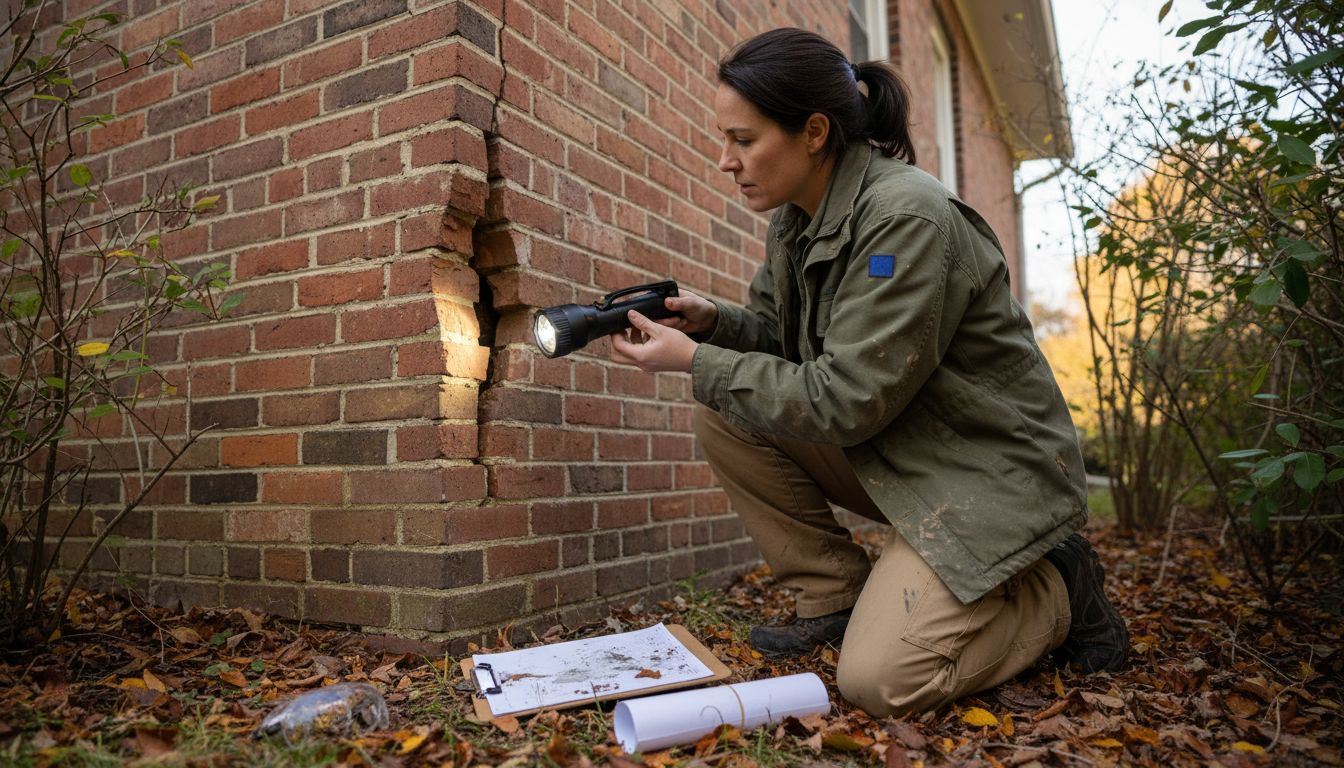
Additional specialized services include site plan development, construction documentation, permitting assistance, and forensic investigations for property damage. Structural engineers help property owners navigate complex challenges like drainage issues, structural repairs, seismic retrofitting, and compliance with local building codes. They provide expert calculations and design solutions that address Texas-specific environmental challenges, including expansive clay soils, hurricane-force winds, and extreme temperature variations that can impact building structures.
Pro Tip: Always request a comprehensive structural assessment before purchasing a property in Texas, as this can reveal potential hidden issues and save significant repair costs in the long run.
Here is a summary of the main structural engineering services for properties in Texas:
| Service Type | Key Objective | Typical Application |
|---|---|---|
| Structural Assessment | Identify risks and weaknesses | Foundation issues in homes |
| Forensic Investigation | Analyze cause of damage or failure | Insurance claims, legal disputes |
| Plan & Permit Preparation | Ensure code compliance | Residential and commercial builds |
| Retrofitting Solutions | Upgrade for safety and longevity | Property renovations, code updates |
Structural Inspections, Plans, and Permits
Structural engineers play a crucial role in managing the complex process of property development through comprehensive inspections, detailed planning, and navigating the intricate permitting landscape in Texas. These professionals provide essential services that ensure buildings meet rigorous safety standards, local building codes, and environmental requirements specific to the state’s unique geological conditions.
Structural engineering plans encompass a wide range of critical documentation, including detailed architectural drawings, precise structural calculations, and comprehensive site analyses. Engineers develop meticulous plans for various property types, from residential homes to complex commercial facilities, carefully considering factors like soil composition, potential environmental stressors, and load-bearing requirements. These plans serve as blueprints for construction teams, providing explicit guidance on materials, structural integrity, and design specifications that comply with Texas building regulations.
The permitting process represents another vital aspect of structural engineering services. Structural engineers work closely with local municipal authorities to secure necessary approvals, ensuring that every aspect of a construction or renovation project meets strict regulatory standards. This involves preparing and submitting detailed documentation, conducting required inspections, and addressing any potential compliance issues before, during, and after construction. Their expertise helps property owners navigate bureaucratic challenges, reduce potential delays, and maintain full legal compliance throughout the development process.
Pro Tip: Always request a comprehensive review of your structural plans and permit documentation by a licensed professional to identify potential issues before submission, saving time and preventing costly revisions later.
Forensic Investigation for Damage and Liability
Forensic structural engineering represents a critical service for Texas property owners facing complex damage assessment, legal disputes, and insurance claims. These specialized professionals serve as objective experts who meticulously analyze structural failures, accidents, and potential liability issues using scientific methodologies and advanced investigative techniques.
Forensic structural engineering services provide comprehensive damage analysis that goes far beyond simple visual inspections. Structural engineers conduct in-depth investigations that include detailed photo documentation, precise structural assessments, and expert reports that can be critical in legal proceedings, insurance claims, and property damage resolution. Their systematic approach involves carefully examining physical evidence, analyzing material failures, understanding environmental factors, and determining root causes of structural issues with scientific precision.
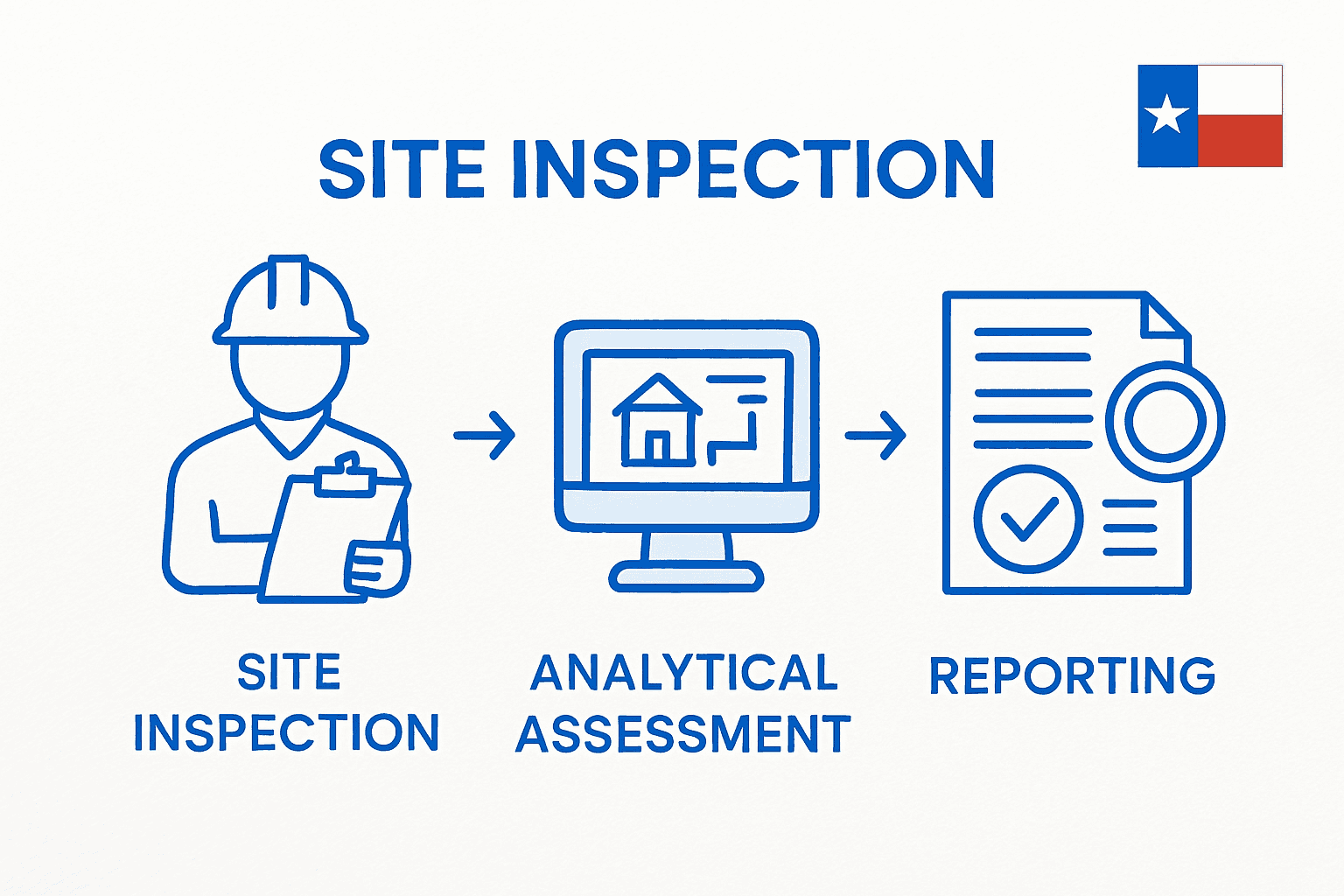
The forensic investigation process typically involves multiple sophisticated stages, including comprehensive site inspections, material testing, computer modeling, and detailed documentation of findings. Structural engineers collect and analyze evidence to reconstruct incidents, identify potential negligence, and provide authoritative insights that can help resolve disputes between property owners, insurers, contractors, and other involved parties. Their expert testimony and detailed reports can be pivotal in legal proceedings, offering unbiased, scientifically grounded perspectives on complex structural damage scenarios.
Pro Tip: Always preserve all physical evidence and documentation related to structural damage, as these can be crucial for forensic engineers when investigating the root cause of property issues.
Risks, Costs, and Choosing the Right Engineer
Selecting the right structural engineer is a critical decision that can significantly impact the success, safety, and financial outcome of any Texas property project. Property owners must carefully evaluate potential engineers based on their expertise, track record, and ability to navigate the complex landscape of structural challenges unique to the Texas environment.
The financial risks associated with structural engineering extend far beyond initial consultation fees. Poorly designed or inadequately assessed structures can lead to substantial long-term expenses, including potential foundation repairs, structural retrofitting, and catastrophic failure risks. Choosing the right structural engineer in Texas requires a comprehensive approach that considers multiple critical factors such as professional licensing, specialized experience in Texas geological conditions, proven project history, and comprehensive insurance coverage.
Key evaluation criteria for selecting a structural engineer include verifying their professional credentials, examining their portfolio of similar projects, understanding their specific expertise in Texas-specific structural challenges, and assessing their communication skills. Potential clients should request detailed project references, verify professional certifications, and conduct thorough interviews to ensure the engineer’s approach aligns with their specific property needs. Advanced technical knowledge, problem-solving capabilities, and a deep understanding of local building codes and environmental factors are essential qualities that distinguish top-tier structural engineering professionals.
Pro Tip: Always request and thoroughly review a structural engineer’s professional credentials, insurance documentation, and past project portfolio before making a final hiring decision.
Use this table to compare top factors when selecting a structural engineer in Texas:
| Evaluation Factor | Why It Matters | How to Verify |
|---|---|---|
| Texas Licensing | Ensures legal and code compliance | State board lookup |
| Local Experience | Addresses Texas-specific challenges | Review completed project portfolio |
| Insurance Coverage | Reduces risk for property owners | Request certificate of insurance |
| Communication Skills | Smooth project coordination | Conduct in-depth interview |
Empower Your Texas Property with Expert Structural Engineering Support
Understanding the unique challenges Texas properties face—from foundation risks to hurricane-force winds—means partnering with specialized professionals who can protect your home or commercial space. This article highlights crucial services like structural assessments, detailed engineering plans, and forensic investigations that ensure safety and long-term value. If you want to avoid costly repairs and confidently navigate construction permits, expert guidance is essential.
Discover how our TLE Archives – Texas Licensed Engineers | Residential & Commercial offer tailored solutions designed for Texas environments.

Take control of your property’s future by working with licensed engineers who understand local codes, soil conditions, and weather impacts. Visit Texas Licensed Engineers now to access a wide range of services including inspections, construction plans, and forensic evaluations. Don’t wait until issues grow expensive—secure peace of mind and expert support today.
Frequently Asked Questions
What services do structural engineers provide for Texas properties?
Structural engineers in Texas offer a range of services including structural assessments, forensic investigations, plan and permit preparation, and retrofitting solutions. These services ensure the safety, integrity, and regulatory compliance of various property types.
Why is a structural assessment important before purchasing a property?
A structural assessment can reveal potential hidden issues such as foundation problems or structural weaknesses. Identifying these risks early can save property owners from significant repair costs and unexpected challenges later on.
How do structural engineers assist with the permitting process in Texas?
Structural engineers help navigate the permitting process by preparing and submitting the necessary documentation to local authorities. They ensure that construction plans comply with local codes and regulations, thereby reducing delays and compliance issues.
What is forensic engineering and how can it benefit property owners?
Forensic engineering involves the investigation of structural failures and damage assessments. This service helps property owners determine the cause of damage, assess liability, and provides expert reports for legal proceedings or insurance claims.
Recommended
- What Is a Structural Engineer and Why Texans Rely On Them – Texas Licensed Engineers | Residential & Commercial
- Structural Engineering Guide 2025 for Texas Projects – Texas Licensed Engineers | Residential & Commercial
- 7 Essential Structural Engineering Tips for Texas Projects – Texas Licensed Engineers | Residential & Commercial
- When to Call an Engineer in Texas – Protect Your Property – Texas Licensed Engineers | Residential & Commercial
