
What Is Residential Engineering and Why Texas Homes Rely on It
Every American homeowner in Texas faces a unique set of building challenges, from unpredictable soil shifts to severe weather threats. With over 80 percent of structural failures in the state linked to poor foundational planning, understanding residential engineering is more crucial than ever. This essential discipline ensures that homes are designed to stand strong against regional risks, highlighting which expert services and safety standards really matter for a reliable Texas residence.
Table of Contents
- Residential Engineering Defined For Texas Homes
- Key Services: Inspections, Designs, And Permitting
- Common Issues: Floods, Foundation Damage, And More
- Regulations, Licensing, And Engineer Qualifications In Texas
- Risks Of Skipping Licensed Engineering Services
Key Takeaways
| Point | Details |
|---|---|
| Importance of Residential Engineering | Residential engineering is crucial in Texas for ensuring safety and structural integrity of homes in various environmental conditions. |
| Key Services Provided | Key engineering services include inspections, custom designs, and navigating permitting processes to uphold legal compliance. |
| Environmental Challenges | Texas homes face risks from flooding and foundation damage, necessitating specialized engineering solutions for durability. |
| Risks of Skipping Services | Neglecting licensed engineering can lead to severe structural vulnerabilities, legal complications, and insurance issues. |
Residential Engineering Defined for Texas Homes
Residential engineering is a specialized professional discipline focused on designing, analyzing, and ensuring the structural integrity and safety of residential buildings across Texas. By combining technical expertise with precise architectural knowledge, residential engineers play a critical role in creating homes that are not just aesthetically pleasing, but fundamentally sound and resilient.
In Texas, residential engineering encompasses a comprehensive approach to home design and construction that meets specific regional requirements. According to the Texas Administrative Code, residential structures are defined as buildings used for family dwellings, including single-family homes, duplexes, triplexes, and quadplexes. This definition helps engineers understand the precise scope of their work, ensuring that residential projects adhere to strict legal and safety standards.
The scope of residential engineering extends far beyond basic construction. Texas residential engineers analyze soil conditions, evaluate foundation requirements, design structural systems, and ensure buildings can withstand local environmental challenges like extreme heat, potential flooding, and occasional seismic activities. They utilize advanced computational modeling and structural analysis techniques to create homes that are not just compliant with building codes, but also optimized for long-term durability and performance.
From foundation design to roof structure, residential engineers provide comprehensive services that protect homeowners’ investments. They assess potential structural risks, recommend innovative solutions, and collaborate with architects and contractors to transform architectural plans into safe, reliable living spaces. Industrialized housing regulations further guide their work, ensuring that even prefabricated or modular homes meet stringent Texas construction standards.
Pro Tip: Before starting any home construction or renovation project, always consult a licensed residential engineer who understands Texas-specific building requirements and can provide expert guidance tailored to your specific location and structural needs.
Key Services: Inspections, Designs, and Permitting
Residential engineering encompasses a comprehensive array of critical services that ensure the safety, functionality, and legal compliance of Texas homes. These services are meticulously designed to protect homeowners’ investments and provide peace of mind throughout the construction and maintenance process.
Inspections represent a cornerstone of residential engineering services. Qualified inspection services play a crucial role in verifying structural integrity, identifying potential issues, and ensuring that homes meet stringent state and local building codes. These professional inspections cover multiple critical stages, including foundation assessment, frame evaluation, and windstorm design verification. Engineers conduct thorough examinations of key structural elements, checking for potential weaknesses, material integrity, and compliance with safety standards.
Design services form another essential component of residential engineering. Professional engineers develop detailed structural plans that account for Texas’ unique environmental challenges, including extreme heat, potential flooding, and variable soil conditions. These design services go beyond basic architectural drawings, incorporating advanced computational modeling to create resilient home structures that can withstand local climate and geological factors. Engineers analyze soil composition, calculate load-bearing requirements, and develop innovative solutions that maximize both safety and efficiency.
Permitting represents the final critical service in the residential engineering process. Engineers navigate complex local and state regulatory frameworks, preparing and submitting comprehensive documentation to secure necessary approvals. This process involves detailed technical submissions, code compliance documentation, and coordination with local building authorities to ensure every aspect of the residential project meets legal requirements.
Pro Tip: Always request a comprehensive written report from your residential engineer, documenting all inspections, design considerations, and permit-related details to maintain a clear record of your home’s structural assessment and compliance.
Here’s how the key services of residential engineering in Texas compare:
| Service Area | Main Activities | Why It Matters for Homeowners |
|---|---|---|
| Inspections | Structural reviews, compliance checks | Identifies hidden risks and code issues |
| Design | Custom structural planning | Optimizes safety and climate resilience |
| Permitting | Regulatory paperwork, approvals | Ensures legal compliance and smooth process |
Common Issues: Floods, Foundation Damage, and More
Texas homes face unique environmental challenges that demand sophisticated engineering expertise to mitigate potential structural risks. From expansive clay soils to extreme weather patterns, residential structures in the state require specialized attention to prevent and address critical damage that could compromise their integrity and value.
Foundation damage represents one of the most significant concerns for Texas homeowners. The state’s complex geological conditions, characterized by shifting clay soils and dramatic temperature fluctuations, create substantial stress on building foundations. Foundation repair strategies must account for soil movement, moisture content, and geological variations that can cause significant structural stress. Engineers conduct comprehensive assessments using advanced diagnostic tools to identify early warning signs of foundation instability, including hairline cracks, uneven floor surfaces, and persistent moisture issues.
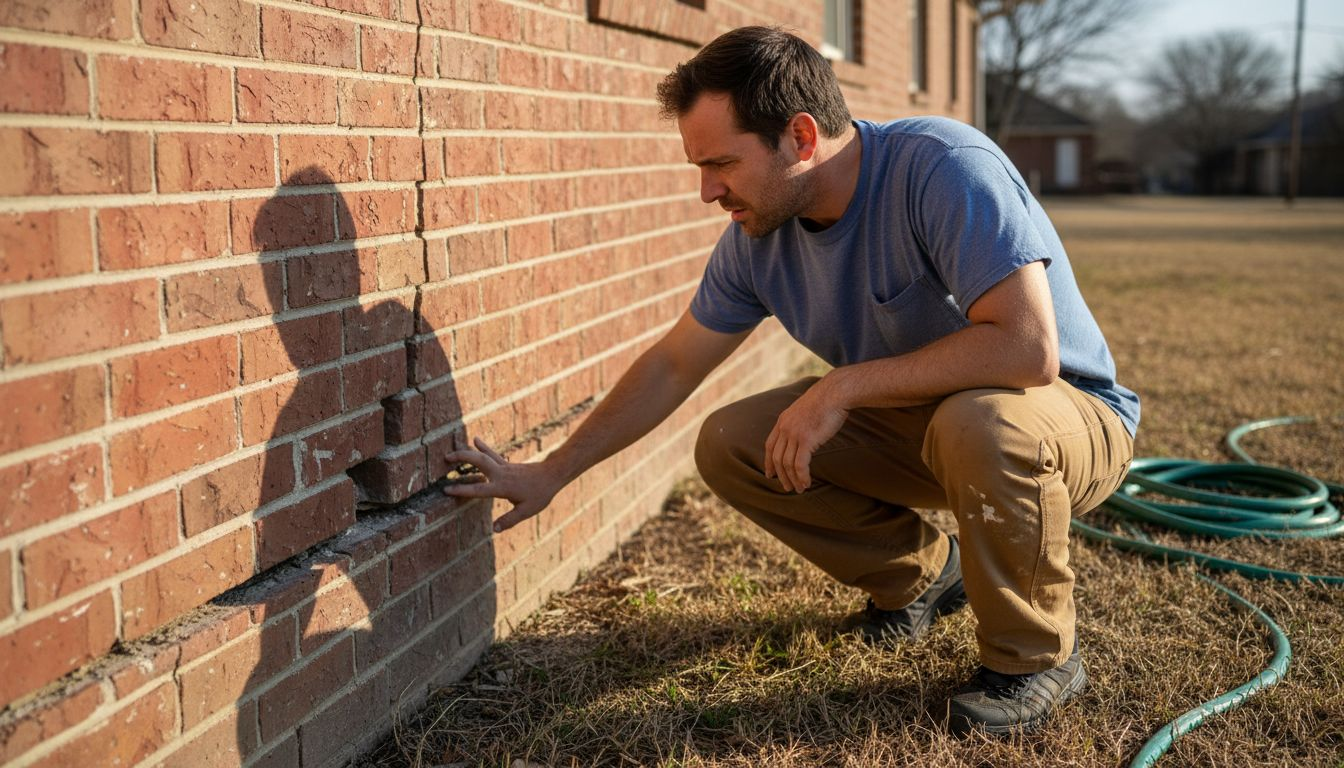
Flood damage poses another critical challenge for residential structures in Texas. The state’s variable rainfall patterns and proximity to coastal regions create substantial flood risks that demand proactive engineering interventions. Professional engineers develop sophisticated drainage solutions, recommend elevation strategies, and design resilient foundation systems that can withstand potential water intrusion. These strategies include implementing advanced waterproofing techniques, designing proper grading around residential structures, and creating comprehensive water management plans that protect homes from potential environmental threats.
Additional structural challenges in Texas homes include soil erosion, wind damage, and thermal expansion issues. Engineers employ comprehensive risk assessment methodologies to evaluate potential vulnerabilities, recommending targeted interventions that preserve structural integrity and prevent long-term damage. These assessments involve detailed analysis of building materials, environmental conditions, and potential stress factors that could compromise residential structures over time.
Pro Tip: Schedule annual professional engineering inspections to catch potential structural issues early, preventing minor problems from escalating into expensive, complex repairs that could significantly impact your home’s value and safety.
Regulations, Licensing, and Engineer Qualifications in Texas
Residential engineering in Texas operates within a rigorous regulatory framework designed to protect public safety and ensure professional competence. The state maintains stringent requirements that professional engineers must meet to practice, providing homeowners with critical assurances about the quality and reliability of engineering services.
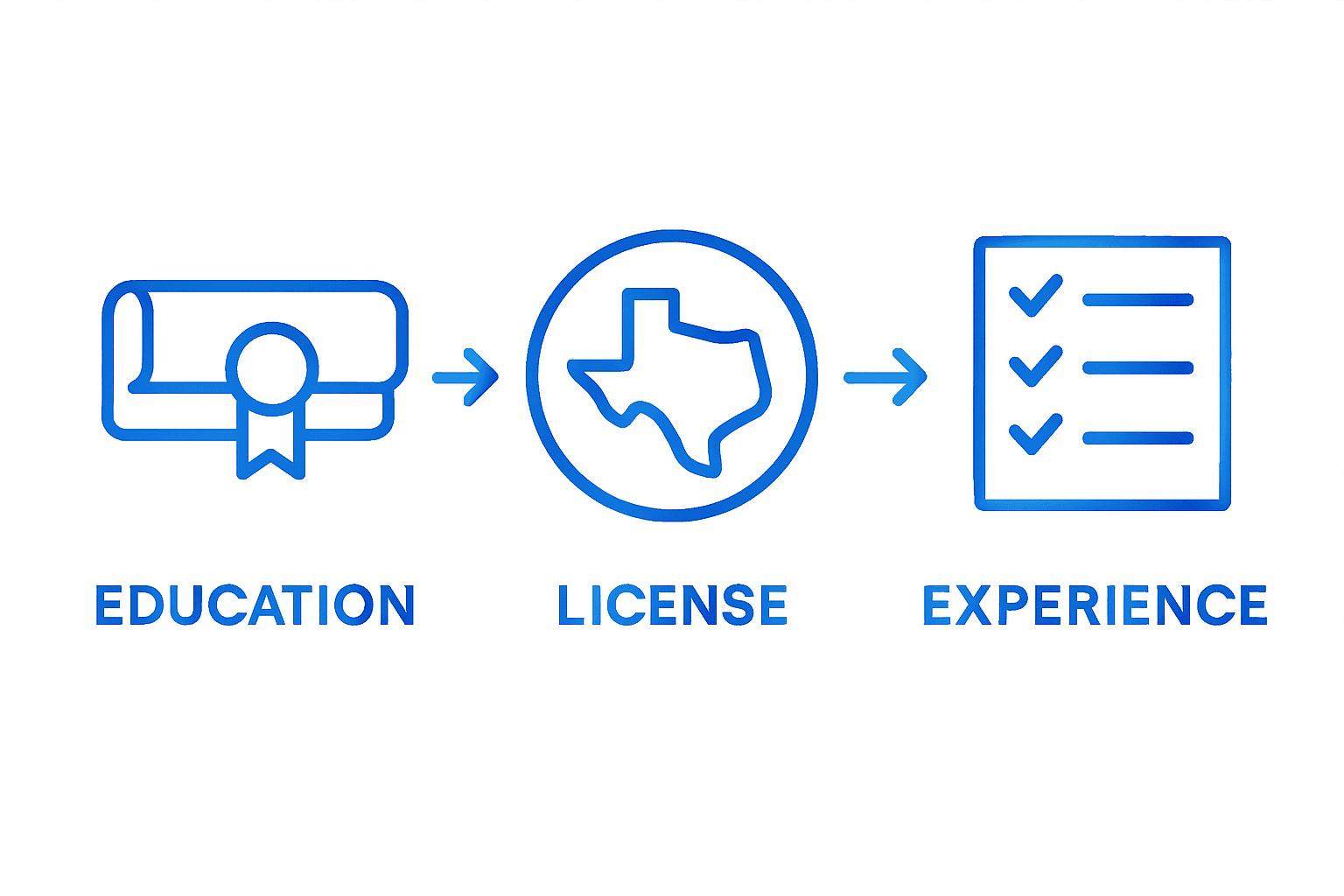
Licensing represents a fundamental aspect of professional engineering regulation in Texas. Engineers must obtain and maintain professional licensure through the Texas Board of Professional Engineers, which requires extensive educational credentials, comprehensive professional examinations, and ongoing professional development. The licensing process involves multiple stages, including earning an accredited engineering degree, completing a specified number of supervised professional work hours, and passing rigorous state-administered professional practice examinations. Texas regulatory bodies play a critical role in overseeing professional credentials and maintaining high standards across various engineering disciplines.
Qualification standards for residential engineers in Texas extend beyond basic licensure. Professional engineers must demonstrate specialized knowledge in structural design, environmental considerations, and local building codes specific to residential construction. This involves continuous education about emerging technologies, changes in building materials, and evolving environmental challenges unique to Texas’ diverse geographical regions. Engineers must provide proof of professional liability insurance, maintain current certifications, and submit to periodic professional reviews that assess their ongoing competence and adherence to established professional standards.
Additional regulatory oversight involves multiple state agencies that collaborate to ensure comprehensive protection for homeowners. The Texas Real Estate Commission works in conjunction with engineering regulatory bodies to monitor professional practices, investigate potential misconduct, and maintain transparency in residential engineering services. These multi-layered regulatory mechanisms ensure that engineers remain accountable, professionally competent, and committed to delivering high-quality, safe engineering solutions for Texas residential structures.
Pro Tip: Always verify an engineer’s current professional license status through the Texas Board of Professional Engineers before engaging their services, ensuring you’re working with a fully qualified and legally authorized professional.
Risks of Skipping Licensed Engineering Services
Skipping licensed engineering services can expose homeowners to substantial financial, legal, and structural risks that far outweigh potential short-term cost savings. Unlicensed or unprofessional interventions can compromise a home’s structural integrity, safety, and long-term value, creating potentially catastrophic consequences for property owners.
Structural Vulnerability emerges as the primary risk of bypassing professional engineering services. Without comprehensive professional assessment, homes remain exposed to hidden structural weaknesses that can develop into severe, costly problems. Permitting and inspection requirements exist specifically to protect homeowners from substandard construction practices and potential catastrophic failures. Unaddressed foundation issues, improper load-bearing calculations, and inadequate material selections can lead to progressive structural damage that might require complete reconstruction.
Legal and financial risks represent another critical concern for homeowners who neglect professional engineering oversight. Unpermitted work or modifications that do not meet local building codes can result in significant legal complications, including potential fines, mandatory retroactive corrections, and challenges with insurance claims or property sales. Local building code compliance mandates professional oversight to ensure that residential structures meet rigorous safety and construction standards. Homeowners may find themselves facing substantial financial penalties and legal challenges if their property fails to meet established regulatory requirements.
Insurance and mortgage complications further underscore the importance of licensed engineering services. Many insurance providers and mortgage lenders require professional engineering assessments and certifications for property transactions, renovations, and claims processing. Skipping these critical professional evaluations can lead to denied insurance claims, reduced property values, and potential difficulties obtaining financing for home improvements or sales.
Summary of major risks when skipping licensed engineering services:
| Risk Type | Real-World Impact | Long-Term Consequence |
|---|---|---|
| Structural Failure | Hidden flaws, potential collapse | Costly repairs or total rebuild |
| Legal Complications | Fines, failed inspections, code violations | Problems selling or refinancing |
| Insurance Issues | Denied claims, policy cancellations | Difficulty obtaining coverage |
Pro Tip: Always request and retain comprehensive documentation from licensed engineers for any home construction or modification project, creating a verifiable record of professional oversight and compliance that protects your investment.
Secure Your Texas Home with Trusted Residential Engineering Services
Understanding the critical role of residential engineering in protecting Texas homes means recognizing the importance of expert inspections, custom designs, and proper permitting outlined in this article. Many homeowners face challenges like foundation damage, flood risks, and regulatory complexities that can threaten their property’s safety and value. If you want to avoid unexpected structural problems and legal headaches, professional guidance is essential.
Discover how our team at Texas Licensed Engineers specializes in delivering comprehensive residential engineering solutions tailored to Texas-specific needs. From foundation inspections to flood damage forensic investigations, we provide everything required to ensure your home is structurally sound and compliant with all local regulations. Learn more through our TLE Archives – Texas Licensed Engineers | Residential & Commercial where you can find detailed insights and success stories.

Don’t wait for minor issues to become costly repairs. Act now to protect your investment and your family’s safety with certified engineering services you can trust. Visit Texas Licensed Engineers to schedule your consultation today and take the first step toward a safer, stronger home.
Frequently Asked Questions
What is residential engineering?
Residential engineering is a professional discipline focused on designing, analyzing, and ensuring the safety and structural integrity of residential buildings. It involves specialized knowledge about local environmental challenges and building codes.
Why do Texas homes need residential engineering?
Texas homes require residential engineering to address unique environmental factors such as shifting clay soils, extreme weather, and flooding risks. Professional engineers analyze these factors to ensure homes are safe and durable.
What services do residential engineers provide?
Residential engineers provide a range of services, including inspections, structural designs, and permitting processes. They assess structural integrity, develop detailed plans, and navigate local regulations to ensure compliance with building codes.
What are the risks of not using a licensed engineer for home construction?
Skipping licensed engineering services can lead to structural vulnerabilities, legal complications, and issues with insurance. Without professional oversight, homeowners may face costly repairs, legal fines, and difficulties with property transactions.
Recommended
- Why Get Engineering Services in Texas Homes – Texas Licensed Engineers | Residential & Commercial
- What Is Civil Engineering and Its Impact on Texas Homes – Texas Licensed Engineers | Residential & Commercial
- Residential Engineering Requirements: Complete Guide – FloridaLicensedEngineers.com
- Residential Engineering: Complete Guide to Its Role – FloridaLicensedEngineers.com
