
Why Foundation Repair Needs Engineering Expertise
Most American homeowners underestimate the complexity of foundation repair. A surprising number, over 60 percent, mistake small cracks for major structural problems or ignore serious warning signs altogether. With so much confusing advice circulating about home maintenance, understanding what truly matters can save you from expensive repairs and legal headaches. This guide clarifies the real risks, top misconceptions, and the decisions that protect both your investment and your family’s safety.
Table of Contents
- Foundation Repair Basics And Misconceptions
- Engineering’s Role In Foundation Solutions
- Texas Laws And Permitting Requirements
- Risks Of Skipping Engineering Oversight
- Typical Scenarios Requiring Engineering Evaluation
Key Takeaways
| Point | Details |
|---|---|
| Foundation Cracks | Not all foundation cracks indicate severe damage; many are due to normal material expansion. Professional assessments are essential to determine the severity. |
| Role of Engineers | Foundation engineers conduct thorough evaluations that consider soil conditions and structural integrity, ensuring effective repair strategies. |
| Texas Regulations | Homeowners in Texas must navigate stringent permitting processes, requiring professional engineering involvement to ensure safety and compliance. |
| Risks of DIY Repairs | Skipping professional oversight can lead to misdiagnosed issues and catastrophic failures, emphasizing the importance of expert evaluations for repairs. |
Foundation Repair Basics and Misconceptions
Foundation repair is far more complex than most homeowners realize. Understanding the nuanced challenges requires recognizing that not all cracks signal catastrophic damage. In fact, the National Association of Home Builders notes that many foundation cracks result from normal material expansion and contraction, making professional assessment critical.
Foundation structures vary dramatically, with each type presenting unique challenges. The National Foundation Repair Association highlights several foundation types including brick, cinder block, CMU block, stone, poured concrete, slab-on-grade, and crawlspace foundations. Some materials like stone foundations are particularly susceptible to mortar erosion, while crawlspaces often struggle with moisture-related issues. These variations mean that a one-size-fits-all repair approach is not just ineffective but potentially dangerous.
Professional engineers recognize that foundation problems manifest through multiple warning signs beyond simple surface cracks. Horizontal cracks in basement walls accompanied by bowing, significant vertical displacement, and uneven floor surfaces can indicate serious structural concerns requiring immediate professional intervention. Homeowners should understand that attempting DIY repairs without proper engineering assessment can lead to catastrophic and expensive consequences. Structural integrity is not a place for guesswork or amateur solutions.
Engineering’s Role in Foundation Solutions
Foundation engineering requires an intricate blend of scientific analysis and specialized technical expertise. Foundation engineers play a critical role in designing and evaluating structural foundations for buildings, bridges, and other critical infrastructure, meticulously assessing soil conditions and ensuring long-term structural stability. Their comprehensive approach goes far beyond simple visual inspections, involving complex analytical processes that protect both property and human safety.
Engineering assessments are particularly crucial when addressing aging or damaged foundations. The American Society of Civil Engineers highlights the complexity of foundation repair, especially in identifying subtle deterioration modes like cracking and potential structural compromise. Professional engineers employ sophisticated testing methods and advanced diagnostic tools to determine the precise nature of foundation issues, distinguishing between minor settlement concerns and significant structural risks.
The technical expertise of foundation engineers encompasses multiple critical dimensions. They analyze soil composition, evaluate load-bearing capacities, predict potential movement and settlement, and design targeted repair strategies. Unlike amateur approaches, professional engineers integrate geological understanding, material science, structural mechanics, and risk assessment to develop comprehensive solutions. Their interventions prevent catastrophic failures, protect property values, and ensure the long-term integrity of residential and commercial structures. Homeowners and property managers who invest in professional engineering assessments ultimately save significant money by addressing foundation issues early and precisely.
Texas Laws and Permitting Requirements
Foundation repair in Texas involves navigating a complex landscape of legal and regulatory requirements designed to protect homeowners and ensure structural safety. The City of Austin’s Development Services Department provides comprehensive guidelines for the foundation repair permitting process, which mandate detailed documentation and rigorous inspection protocols to maintain building integrity across the state.
Texas municipalities enforce strict building codes that require professional engineering involvement for significant foundation repairs. Homeowners must obtain proper permits before initiating any substantial structural modifications, which typically involve submitting detailed plans prepared by licensed engineers. These requirements protect property owners by ensuring that repairs meet established safety standards, prevent potential structural failures, and maintain the long-term value of residential and commercial properties.
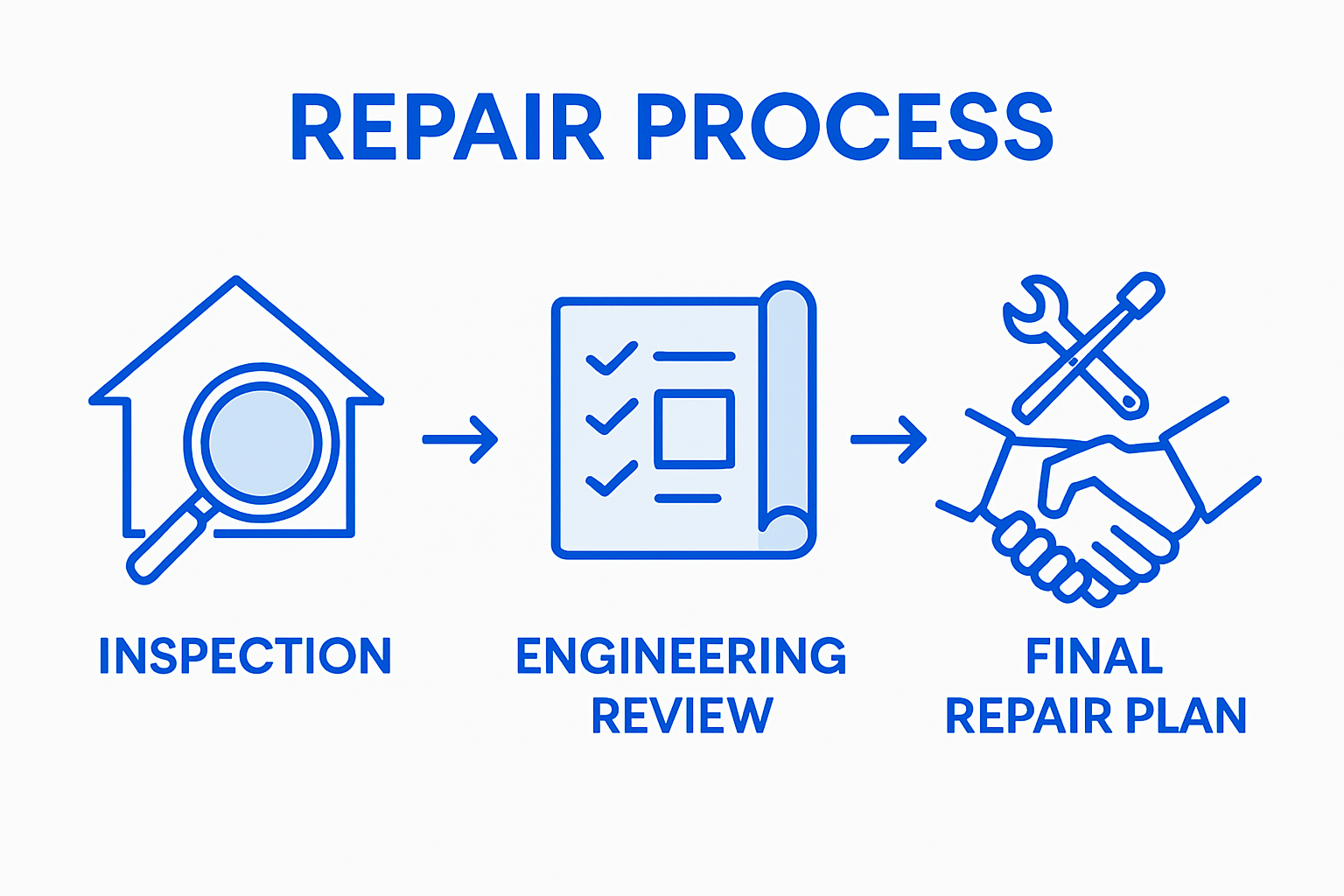
The permitting process in Texas is designed to be thorough yet accessible. Property owners must work with licensed professional engineers who understand local building regulations and can prepare comprehensive documentation. This typically involves a multi-step process including initial site assessment, detailed structural analysis, repair strategy development, and final inspection. Engineers must demonstrate that proposed repairs will restore structural integrity, comply with local building codes, and meet specific municipal requirements. Failure to obtain proper permits can result in significant legal and financial consequences, including potential fines, forced removal of unpermitted work, and complications during future property sales.
Risks of Skipping Engineering Oversight
The American Society of Civil Engineers warns that neglecting professional engineering oversight can lead to catastrophic foundation repair mistakes. Amateur approaches to foundation repair often result in misdiagnosed structural issues, inadequate repair strategies, and potentially dangerous long-term consequences. What seems like a minor crack could indicate profound underlying structural problems that require sophisticated diagnostic techniques and targeted interventions.
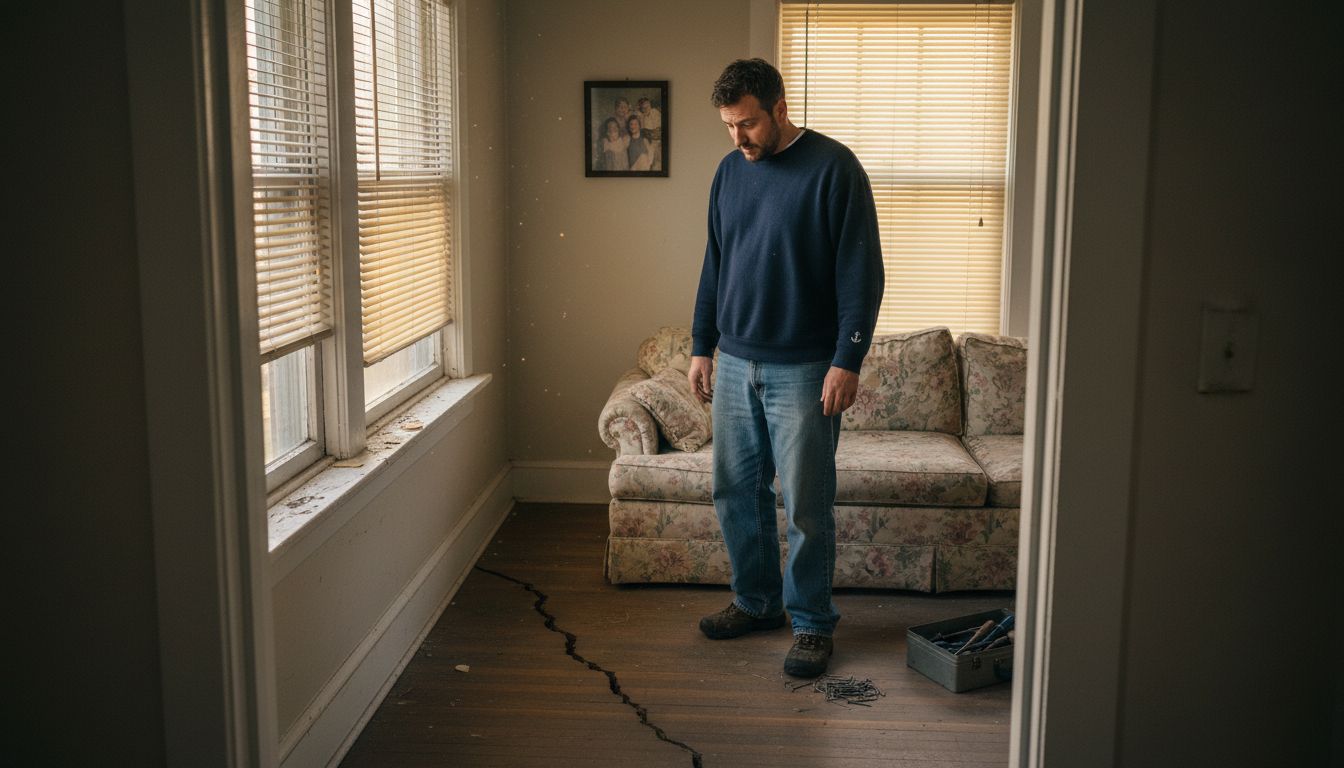
Homeowners frequently misinterpret foundation symptoms, leading to either unnecessary expensive repairs or dangerous neglect. The National Association of Home Builders highlights that without professional engineering assessment, property owners may dramatically misunderstand the severity of foundation cracks. Some cracks represent normal material settlement, while others signal critical structural instability. Professional engineers possess the expertise to distinguish between cosmetic issues and serious structural threats, preventing potentially expensive and dangerous mistakes.
The financial and safety risks of skipping engineering oversight extend far beyond immediate repair costs. Improper foundation repairs can compromise a building’s entire structural integrity, potentially leading to massive structural failures, decreased property values, and significant safety hazards. Professional engineers conduct comprehensive assessments that analyze soil conditions, material stress, load-bearing capacities, and potential future movement. Their specialized knowledge prevents short-term fixes that might temporarily mask serious underlying problems, ultimately protecting homeowners from catastrophic and potentially life-threatening structural failures.
Typical Scenarios Requiring Engineering Evaluation
The American Society of Civil Engineers identifies critical scenarios that demand professional engineering evaluation, with visible foundation deterioration being a primary concern. Homeowners should immediately seek engineering assessment when encountering signs like structural cracking, concrete spalling, noticeable foundation movement, uneven floor surfaces, or persistent moisture issues. These symptoms can indicate complex underlying problems that require sophisticated diagnostic techniques to accurately assess structural integrity.
Foundation engineers play a crucial role in addressing complex soil conditions and potential stability challenges, particularly in regions with challenging geological landscapes. Specific scenarios demanding comprehensive engineering evaluation include properties built on expansive clay soils, areas with significant slope variations, locations experiencing frequent ground movement, and structures with evident signs of settlement or structural stress. Professional engineers conduct detailed site assessments that analyze soil composition, drainage patterns, load-bearing capacities, and potential future movement risks.
Engineering evaluation becomes essential during several key circumstances: before purchasing a property, after significant natural disasters, during major renovation projects, and when planning structural additions. These assessments provide critical insights into potential foundation vulnerabilities, helping homeowners make informed decisions about repairs, preventative maintenance, and long-term property investments. By identifying subtle signs of structural compromise early, professional engineers can help prevent catastrophic failures and save property owners substantial financial and safety risks.
Ensure Your Foundation Repair is Backed by Expert Engineering
Foundation repair is not a simple patch job. It demands specialized knowledge in soil analysis, structural dynamics, and local building codes to truly protect your home or commercial property. If you want to avoid costly mistakes from DIY fixes or unlicensed contractors, professional engineering insight is essential. This article highlights how licensed engineers identify real structural risks hidden beneath foundation cracks and design precise repair plans that guarantee long-term stability.

Are you facing uneven floors, noticeable cracks, or signs of foundation movement in your Texas property? Our team at Texas Licensed Engineers delivers comprehensive foundation inspections, construction plans, and permitting services to keep your structure safe and compliant. Find out why engineering expertise matters on our TLE Archives – Texas Licensed Engineers | Residential & Commercial page and get started with a trusted evaluation today. Don’t delay important repairs because early professional assessment can save you severe damage and expensive emergency fixes in the future.
Frequently Asked Questions
What symptoms indicate that I need a professional engineering evaluation for foundation repair?
Visible signs like structural cracking, concrete spalling, uneven floor surfaces, and persistent moisture issues are critical indicators that necessitate a professional engineering assessment.
Why is it important to have professional engineering oversight during foundation repairs?
Professional engineering oversight ensures that foundation issues are accurately diagnosed and repaired, preventing catastrophic failures and maintaining long-term structural integrity.
Can I perform DIY repairs on my foundation without consulting an engineer?
Attempting DIY repairs without professional assessment can lead to misdiagnosis of foundation issues, potentially causing dangerous long-term consequences and expensive repairs down the line.
What are the types of foundation issues that require engineering expertise?
Foundation issues that require engineering expertise include significant cracking, major structural movements, properties built on unstable soil, and any visible signs of deterioration that could threaten structural integrity.
Recommended
- Foundation Inspection Basics: Complete Guide for 2025 – FloridaLicensedEngineers.com
- 7 Essential Structural Engineering Examples for Projects – FloridaLicensedEngineers.com
- 7 Essential Steps for a Complete Structural Engineering Checklist – FloridaLicensedEngineers.com
- Why Hire an Engineering Firm: Complete Expert Guide – FloridaLicensedEngineers.com
