
What Is a Structural Engineer and Why Texans Rely On Them
Most American property owners do not realize that over 80 percent of building failures are caused by overlooked structural problems. When safety and investment are at stake, understanding the role of structural engineers becomes essential. From complex Texas weather to the ever-changing demands on homes and businesses, these experts ensure that every building stands strong and compliant for years to come.
Table of Contents
- Defining Structural Engineers And Their Core Role
- Different Types Of Structural Engineering Services
- Licensing, Qualifications, And Texas Requirements
- How Structural Engineers Impact Properties And Permits
- Risks, Costs, And When To Hire An Engineer
Key Takeaways
| Point | Details |
|---|---|
| Role of Structural Engineers | Structural engineers are essential in ensuring buildings withstand environmental stresses, focusing on design and safety compliance. |
| Diverse Engineering Services | They provide specialized services for residential, commercial, and industrial projects, addressing unique construction challenges. |
| Licensing and Qualifications | Becoming a licensed structural engineer in Texas requires rigorous education, exams, and ongoing professional development. |
| When to Hire | Property owners should consult structural engineers for visible issues or prior to significant renovations to prevent costly repairs. |
Defining Structural Engineers and Their Core Role
Structural engineers are the unsung heroes of architectural design and construction safety, specializing in creating buildings and infrastructure that stand strong against complex environmental challenges. These skilled professionals analyze and design critical structures to ensure they can withstand significant forces from gravity, wind, earthquakes, and other potential stressors.
At their core, structural engineers focus on understanding how different materials and design principles interact to create stable, resilient structures. They apply advanced mathematical and scientific principles to calculate precise load distributions, stress tolerances, and potential structural weaknesses. Whether designing a residential home, a massive bridge, or a commercial skyscraper, these engineers must anticipate and mitigate potential risks that could compromise structural integrity.
The professional responsibilities of a structural engineer extend far beyond simple design calculations. They collaborate closely with architects, construction managers, and local building authorities to ensure every project meets rigorous safety standards and regulatory requirements. Structural analysis involves complex engineering design processes that require deep technical knowledge, including understanding material properties, stress mechanics, and advanced computational modeling techniques.
Key aspects of a structural engineer’s role include:
- Conducting comprehensive structural assessments
- Developing detailed engineering blueprints
- Performing complex mathematical load calculations
- Selecting appropriate building materials
- Ensuring compliance with local and national building codes
Texas homeowners and contractors rely on these professionals to transform architectural visions into safe, durable realities that can withstand the state’s unique environmental conditions.
Different Types of Structural Engineering Services
Structural engineering encompasses a diverse range of specialized services critical to ensuring the safety and functionality of buildings and infrastructure across Texas. Civil engineering services provide foundational insights into how different structural approaches can address complex construction challenges, demonstrating the nuanced expertise required in this field.
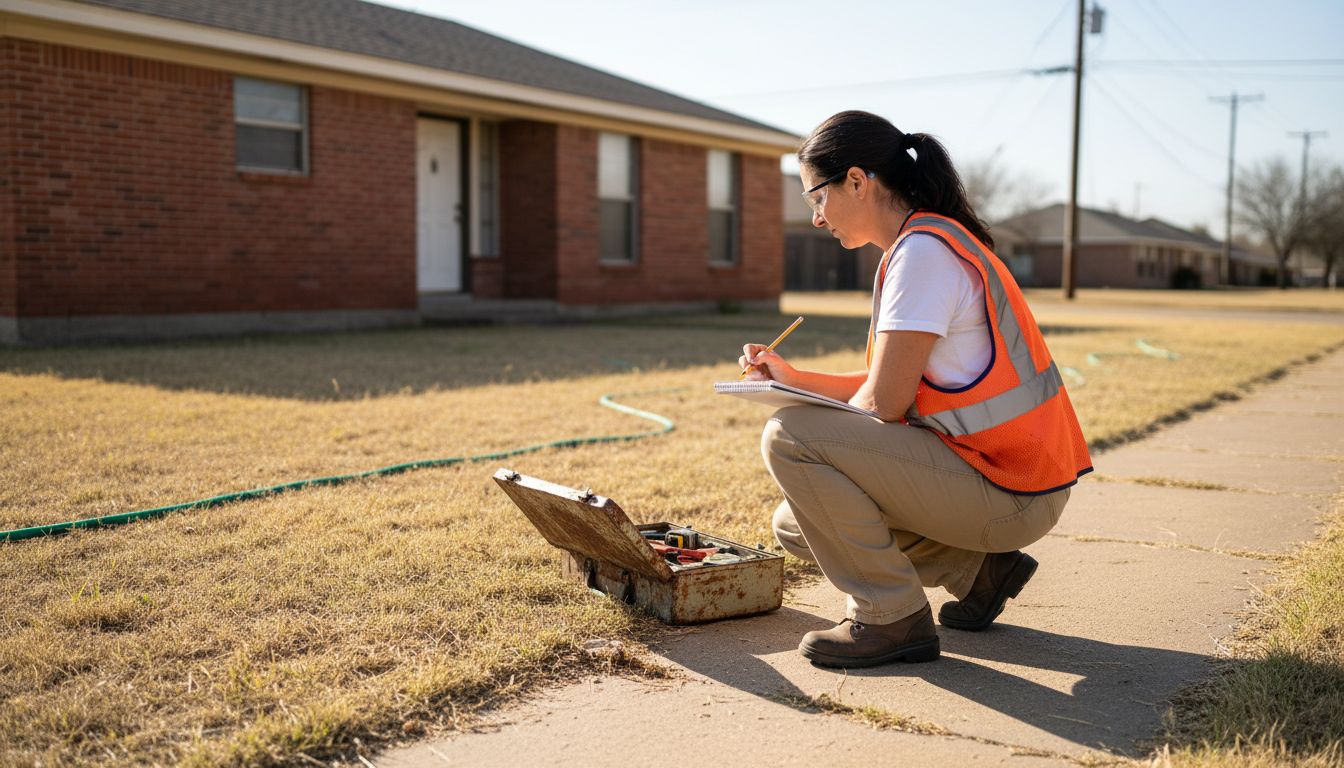
Residential structural engineering services are particularly important for homeowners seeking to understand and protect their most significant investment. These services typically include comprehensive foundation assessments, structural integrity evaluations, and detailed analysis of potential vulnerabilities in residential constructions. Engineers carefully examine everything from load-bearing walls to potential stress points that could compromise a home’s long-term stability, especially in regions with challenging environmental conditions like Texas.
Commercial and industrial structural engineering services represent another critical sector, involving more complex design and analysis requirements. These professionals work on large-scale projects including office buildings, manufacturing facilities, bridges, and critical infrastructure that demand extraordinary precision and advanced computational modeling. Comprehensive project examples highlight the intricate nature of structural engineering work across multiple domains.
Key types of structural engineering services include:
- Residential foundation inspections
- Commercial building design and analysis
- Seismic retrofitting assessments
- Structural damage investigations
- Construction compliance evaluations
- Load-bearing capacity studies
- Renovation and restoration engineering
Texas property owners rely on these specialized services to ensure their buildings remain safe, compliant, and structurally sound through changing environmental conditions and ongoing use.
Licensing, Qualifications, and Texas Requirements
Becoming a licensed structural engineer in Texas involves a rigorous process that ensures only the most qualified professionals can design and analyze critical infrastructure. Structural engineers typically must hold a civil engineering license, with many states including Texas requiring additional specialized certifications beyond basic engineering credentials.
To become a licensed structural engineer in Texas, professionals must complete a comprehensive educational and professional journey. This typically begins with earning a bachelor’s degree in civil or structural engineering from an accredited university program. After graduation, aspiring engineers must pass the Fundamentals of Engineering (FE) exam, which transforms them from engineering students to engineer-in-training. The next critical step involves accumulating at least four years of professional experience under the supervision of a licensed professional engineer, demonstrating practical skills and comprehensive understanding of complex engineering principles.
The Texas Board of Professional Engineers plays a crucial role in maintaining high standards for structural engineering professionals. Candidates must successfully pass the Professional Engineering (PE) exam, specifically the structural engineering specialty exam, which tests advanced knowledge of design principles, material science, structural analysis, and complex mathematical modeling. Additional requirements include continuing education credits, which ensure engineers stay current with evolving building codes, technological advancements, and safety standards.
Key licensing requirements for structural engineers in Texas include:
- Bachelor’s degree from an ABET-accredited engineering program
- Passing the Fundamentals of Engineering (FE) exam
- Minimum of 4 years professional engineering experience
- Successful completion of Professional Engineering (PE) exam
- Structural engineering specialty certification
- Ongoing professional development and continuing education
- Thorough background and ethics checks
Texas property owners can trust that licensed structural engineers have undergone extensive training and certification, providing peace of mind about the safety and reliability of their critical infrastructure projects.
How Structural Engineers Impact Properties and Permits
Structural engineers play a critical role in transforming property development through comprehensive design and regulatory oversight. Ensuring public safety by designing structural components that meet appropriate standards and legal codes represents a fundamental responsibility that directly impacts how properties are planned, constructed, and permitted across Texas.
In the complex landscape of property development, structural engineers serve as essential gatekeepers for safety and compliance. They meticulously review construction plans, assess potential structural risks, and validate that every aspect of a building meets local, state, and national building codes. This process involves conducting detailed structural analyses, performing load calculations, and identifying potential vulnerabilities that could compromise a structure’s integrity. Their expertise becomes particularly crucial in Texas, where environmental challenges like expansive clay soils, hurricane-force winds, and extreme temperature variations demand sophisticated engineering solutions.
The permit approval process is intrinsically linked to structural engineering evaluations. Local municipalities rely on these professionals to certify that proposed construction projects meet rigorous safety standards. Structural engineers prepare comprehensive reports that include detailed blueprints, stress calculations, material specifications, and structural design recommendations. Structural plan reviews become the critical checkpoint that determines whether a project can move forward, ensuring that every building upholds the highest standards of public safety and structural reliability.
Key ways structural engineers impact property development include:
- Conducting comprehensive structural assessments
- Preparing detailed permit application documentation
- Identifying potential structural risks and mitigation strategies
- Ensuring compliance with local and state building codes
- Validating construction material and design specifications
- Providing expert recommendations for structural modifications
- Supporting safe and sustainable property development
Texas property owners, developers, and municipal authorities depend on structural engineers to transform architectural visions into safe, compliant, and resilient structures that can withstand the state’s unique environmental challenges.
Risks, Costs, and When to Hire an Engineer
Understanding when to engage a structural engineer can save Texas property owners significant time, money, and potential future complications. Comprehensive engineering guidance helps homeowners make informed decisions about critical property investments and potential structural challenges that might otherwise go unnoticed.
Structural engineering risks can be substantial when professional expertise is overlooked. Minor structural issues can escalate quickly, transforming seemingly small problems into expensive repairs costing tens of thousands of dollars. Common scenarios requiring immediate engineering consultation include foundation settlements, extensive wall cracks, roof structural integrity concerns, significant water damage, and properties experiencing unusual structural movements. The average cost of a comprehensive structural inspection ranges between $300 and $800, which represents a minimal investment compared to potential repair expenses that could run into tens of thousands of dollars.
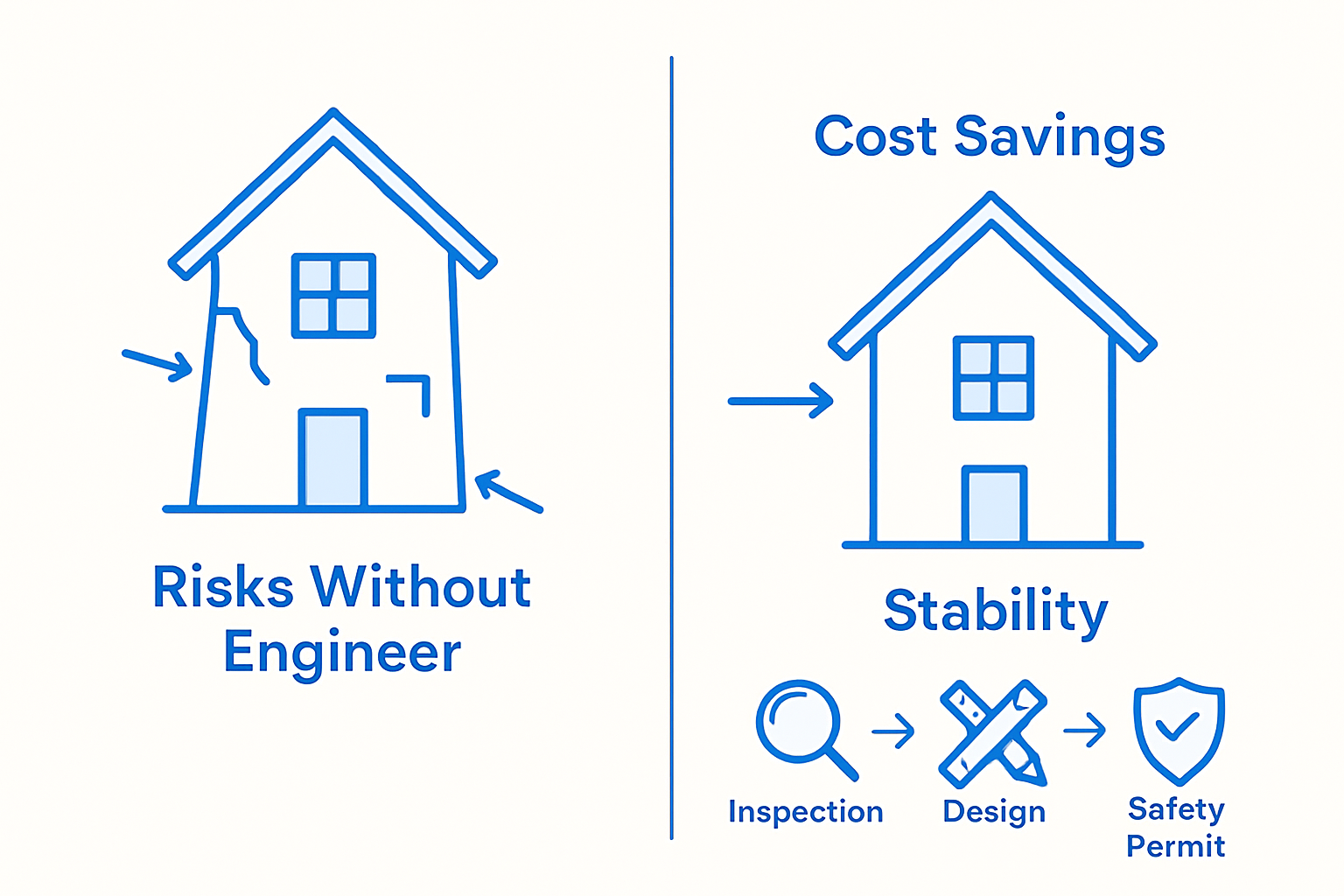
Deciding when to hire a structural engineer involves recognizing specific warning signs and understanding potential property vulnerabilities. Texas homeowners should consider professional engineering services during home purchases, before major renovations, after natural disasters, or when experiencing unexplained structural changes. Engineering inspections play a crucial role in identifying hidden structural risks that could compromise property safety and value.
Key indicators you should hire a structural engineer include:
- Visible foundation cracks or shifting
- Uneven floors or walls
- Roof sagging or structural deformations
- Recent natural disaster impacts
- Planning significant home renovations
- Purchasing an older or historically significant property
- Experiencing unusual structural movements
- Preparing for property insurance assessments
Texas property owners who proactively engage structural engineers can protect their investments, ensure long-term structural integrity, and avoid potentially catastrophic and expensive repair scenarios.
Secure Your Texas Property with Trusted Structural Engineering Expertise
Understanding the crucial role of a structural engineer is the first step in protecting your investment from hidden risks like foundation cracks, load-bearing concerns, or damage from severe weather. Texans face unique environmental challenges that demand precise engineering assessments and compliant designs to keep homes and businesses safe and enduring. When you identify structural vulnerabilities or need expert guidance on permits and construction plans, professional support is essential.
Explore reliable solutions tailored for Texas residents and commercial property owners through our TLE Archives – Texas Licensed Engineers | Residential & Commercial section.

Don’t wait for minor issues to become costly problems. Connect with certified professionals who specialize in foundation inspections, structural design, forensic investigations, and more at Texas Licensed Engineers. Take control of your property’s future today by scheduling an expert evaluation and ensure your project meets all safety standards and permit requirements.
For further insights and updates, visit our Uncategorized Archives – Texas Structural Inspectors and discover how expert engineering can make a difference.
Frequently Asked Questions
What is the role of a structural engineer?
Structural engineers analyze and design buildings and infrastructure to ensure they can withstand environmental challenges, such as gravity, wind, and earthquakes. They assess materials, conduct load calculations, and collaborate with other professionals to ensure structural integrity and compliance with safety standards.
Why do I need a structural engineer for my home?
Hiring a structural engineer is essential when you notice signs of structural issues, like foundation cracks or uneven floors. They can conduct thorough inspections, identify potential risks, and provide recommendations to ensure the safety and stability of your home.
What types of services do structural engineers offer?
Structural engineers offer a variety of services, including residential foundation inspections, commercial building design, seismic retrofitting assessments, structural damage investigations, and compliance evaluations to ensure projects meet safety codes.
How can I find a qualified structural engineer?
To find a qualified structural engineer, look for licensed professionals with experience in your specific project type. Check their credentials, reviews, and past projects to ensure they meet local and national building codes and standards.
Recommended
- When to Call an Engineer in Texas – Protect Your Property – Texas Licensed Engineers | Residential & Commercial
- What Is Civil Engineering and Its Impact on Texas Homes – Texas Licensed Engineers | Residential & Commercial
- Role of Engineers in Texas Projects: Ensuring Safety and Compliance – Texas Licensed Engineers | Residential & Commercial
- Blog – Texas Licensed Engineers | Residential & Commercial
