
What Is Civil Engineering and Its Impact on Texas Homes
Every American homeowner knows that building or renovating in Texas means facing tough choices and unexpected hurdles. With more than 70 percent of Texas homes exposed to extreme weather, understanding civil engineering becomes vital for safety and comfort. This guide unpacks how civil engineering helps American families create strong, resilient homes in Texas—from tackling challenging soil conditions to meeting strict building codes and managing costs.
Table of Contents
- Civil Engineering Defined for Texas Residents
- Major Types of Civil Engineering Projects
- How Civil Engineers Shape Residential and Commercial Sites
- Legal and Regulatory Requirements in Texas
- Role in Inspections, Safety, and Risk Management
- Cost Factors and Common Homeowner Concerns
Key Takeaways
| Point | Details |
|---|---|
| Civil Engineering’s Importance in Texas | Civil engineering is essential for developing and maintaining infrastructure, addressing regional challenges like diverse geological conditions and environmental stressors. |
| Major Project Types | Key project categories in Texas include residential construction, infrastructure development, water resource management, and environmental engineering. |
| Regulatory Compliance | Civil engineers in Texas must follow strict regulatory frameworks to ensure public safety and adherence to building codes and environmental standards. |
| Cost Considerations | Homeowners should be aware of various cost factors, including direct project expenses, regulatory compliance fees, and long-term financial implications related to construction projects. |
Civil Engineering Defined for Texas Residents
Civil engineering represents a critical professional discipline that directly shapes the built environment around Texas homes and communities. At its core, civil engineering involves designing, constructing, and maintaining infrastructure that supports modern living, from residential foundations to complex transportation networks. Civil engineers transform abstract mathematical and scientific principles into tangible structures that withstand Texas’ unique environmental challenges.
Specifically for Texas residents, civil engineering plays a pivotal role in addressing regional construction needs. Civil engineering terms are fundamental to understanding project requirements that impact residential development. Texas homes demand specialized engineering expertise due to diverse geological conditions, including expansive clay soils, flood-prone regions, and extreme temperature variations that can stress building foundations.
The scope of civil engineering extends far beyond basic construction. Texas civil engineers assess site conditions, develop structural plans, analyze soil mechanics, design drainage systems, and ensure buildings meet stringent local building codes. Their work encompasses critical areas such as:
- Foundation design and stability
- Flood mitigation strategies
- Structural integrity assessments
- Site grading and drainage planning
- Seismic and wind resistance engineering
By applying rigorous scientific principles and advanced computational modeling, civil engineers create resilient residential structures that can withstand Texas’ challenging environmental conditions. The role of civil engineers in construction represents a complex blend of technical expertise and practical problem-solving that directly impacts homeowner safety and property value.
Major Types of Civil Engineering Projects
Civil engineering encompasses a broad range of project types that are critical to developing and maintaining Texas’ infrastructure and residential environments. Civil engineering projects span multiple domains of infrastructure development, addressing complex challenges in transportation, water management, residential construction, and environmental sustainability.
In Texas, civil engineering projects can be categorized into several key areas that directly impact residential and community development. These project types include residential construction, infrastructure development, transportation systems, water resource management, and environmental engineering. Residential engineering services play a particularly crucial role in addressing the unique building requirements of different Texas regions, from coastal areas to urban centers and rural communities.
The primary types of civil engineering projects relevant to Texas residents include:
-
Residential Construction Projects
- Single-family home foundation design
- Multi-unit housing developments
- Structural assessment and renovation
-
Infrastructure Development
- Road and highway engineering
- Bridge construction and maintenance
- Drainage and flood control systems
-
Water Resource Management
- Municipal water supply systems
- Stormwater management
- Irrigation infrastructure
-
Environmental Engineering Projects
- Erosion control
- Site remediation
- Sustainable development planning
Each project type requires specialized knowledge and careful workflow management to ensure successful project delivery. Civil engineers must navigate complex regulatory requirements, environmental considerations, and technical challenges to create resilient infrastructure that supports Texas communities’ evolving needs.
How Civil Engineers Shape Residential and Commercial Sites
General civil engineers plan and design critical physical facilities that form the backbone of residential and commercial environments in Texas. These professionals play a transformative role in creating safe, sustainable, and functional spaces that meet the complex demands of modern infrastructure. From single-family homes to sprawling commercial complexes, civil engineers apply advanced technical expertise to translate architectural visions into resilient, practical realities.
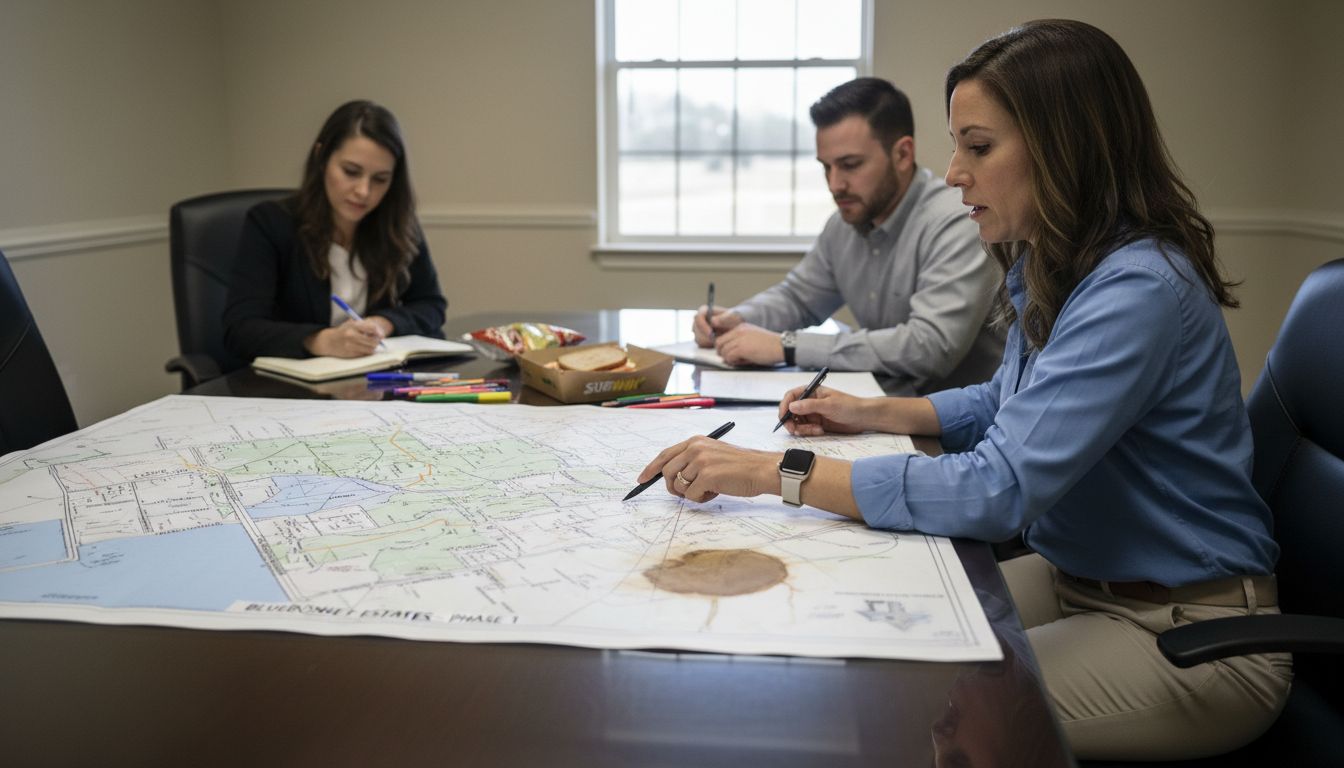
In Texas, civil engineers are responsible for addressing unique environmental challenges that impact site development. The role of civil engineers in construction involves comprehensive management of project complexities, including site analysis, structural design, and environmental considerations. They must navigate diverse geological conditions, from expansive clay soils to flood-prone regions, ensuring that both residential and commercial sites are engineered to withstand local environmental stressors.
The site shaping process involves several critical engineering interventions:
-
Site Assessment
- Topographical mapping
- Soil composition analysis
- Environmental impact evaluation
-
Structural Design
- Foundation engineering
- Load-bearing calculations
- Seismic and wind resistance planning
-
Infrastructure Integration
- Utilities placement
- Drainage system design
- Access and circulation planning
-
Sustainability Considerations
- Energy efficiency strategies
- Water conservation techniques
- Ecological impact minimization
By applying rigorous scientific principles and advanced computational modeling, civil engineers create sites that are not just structures, but integrated ecosystems balanced between human needs and environmental constraints. Residential engineering services provide specialized expertise that transforms raw land into functional, safe, and sustainable living and working environments tailored to Texas’ unique landscape.
Legal and Regulatory Requirements in Texas
The Civil Engineering program of study in Texas establishes rigorous legal and regulatory frameworks that govern professional practice and infrastructure development. These comprehensive regulations ensure public safety, environmental protection, and technical competence for engineering professionals working on residential and commercial projects across the state. Civil engineers must navigate a complex landscape of local, state, and federal requirements that dictate everything from design standards to professional licensing.
Texas maintains stringent regulatory mechanisms to protect public interests in engineering projects. Professional engineers must obtain state licensure through the Texas Board of Professional Engineers, which requires comprehensive educational credentials, extensive professional experience, and passing rigorous examination processes. The role of civil engineers in construction demands strict adherence to multiple layers of regulatory compliance, including building codes, environmental regulations, and safety standards specific to different project types and locations.
Key regulatory requirements for civil engineers in Texas include:
-
Professional Licensing
- Bachelor’s degree from accredited engineering program
- Passing the Fundamentals of Engineering (FE) exam
- Minimum 4 years of professional experience
- Passing Professional Engineering (PE) licensing exam
-
Project Compliance
- International Building Code adoption
- Texas-specific construction regulations
- Local municipal building permit requirements
- Flood plain management standards
-
Environmental Regulations
- Texas Commission on Environmental Quality guidelines
- Stormwater management compliance
- Erosion and sediment control protocols
- Sustainable design requirements
-
Documentation Standards
- Detailed engineering calculations
- Comprehensive site plans
- Structural integrity documentation
- Risk assessment reports
Texas Higher Education Coordinating Board oversight ensures that engineering education maintains the highest standards, preparing professionals to meet these complex regulatory challenges. Civil engineers must continuously update their knowledge and skills to remain compliant with evolving legal and technical requirements, protecting both public safety and professional integrity.
Role in Inspections, Safety, and Risk Management
Civil engineers play a crucial role in planning, designing, and supervising infrastructure to ensure safety and functionality, particularly in the complex landscape of Texas residential and commercial construction. These professionals serve as critical guardians of structural integrity, systematically identifying potential risks and implementing comprehensive strategies to mitigate potential hazards before they become significant problems. Their meticulous approach involves comprehensive analysis of every aspect of a project, from initial site assessment to final construction evaluation.
Inspection processes are fundamental to civil engineers’ risk management strategies. The role of inspections in building projects requires extensive technical expertise and systematic evaluation, focusing on detecting potential structural vulnerabilities, code compliance issues, and environmental risks. Civil engineers conduct thorough investigations that go beyond surface-level assessments, utilizing advanced diagnostic tools and methodological approaches to uncover hidden structural challenges that could compromise building safety.
Key components of civil engineering safety and risk management include:
-
Structural Integrity Assessment
- Foundation stability analysis
- Material strength evaluation
- Load-bearing capacity testing
- Stress and strain measurements
-
Environmental Risk Evaluation
- Geological hazard identification
- Flood zone mapping
- Soil composition analysis
- Climate impact prediction
-
Compliance and Documentation
- Building code verification
- Regulatory standard adherence
- Comprehensive risk documentation
- Detailed inspection reporting
-
Preventative Mitigation Strategies
- Structural reinforcement recommendations
- Predictive maintenance planning
- Potential hazard anticipation
- Long-term performance projections
Comprehensive building inspection services play a critical role in identifying potential risks before they escalate into significant structural or safety concerns. Civil engineers serve as essential intermediaries between design concepts and real-world implementation, ensuring that every residential and commercial project meets the highest standards of safety, durability, and regulatory compliance.
Cost Factors and Common Homeowner Concerns
Civil engineering projects involve complex cost considerations that can significantly impact homeowner budgets and project outcomes. Understanding these financial dynamics is crucial for Texas residents planning residential or commercial construction projects. The total expense extends far beyond simple material and labor costs, encompassing sophisticated engineering assessments, regulatory compliance, and long-term structural performance.
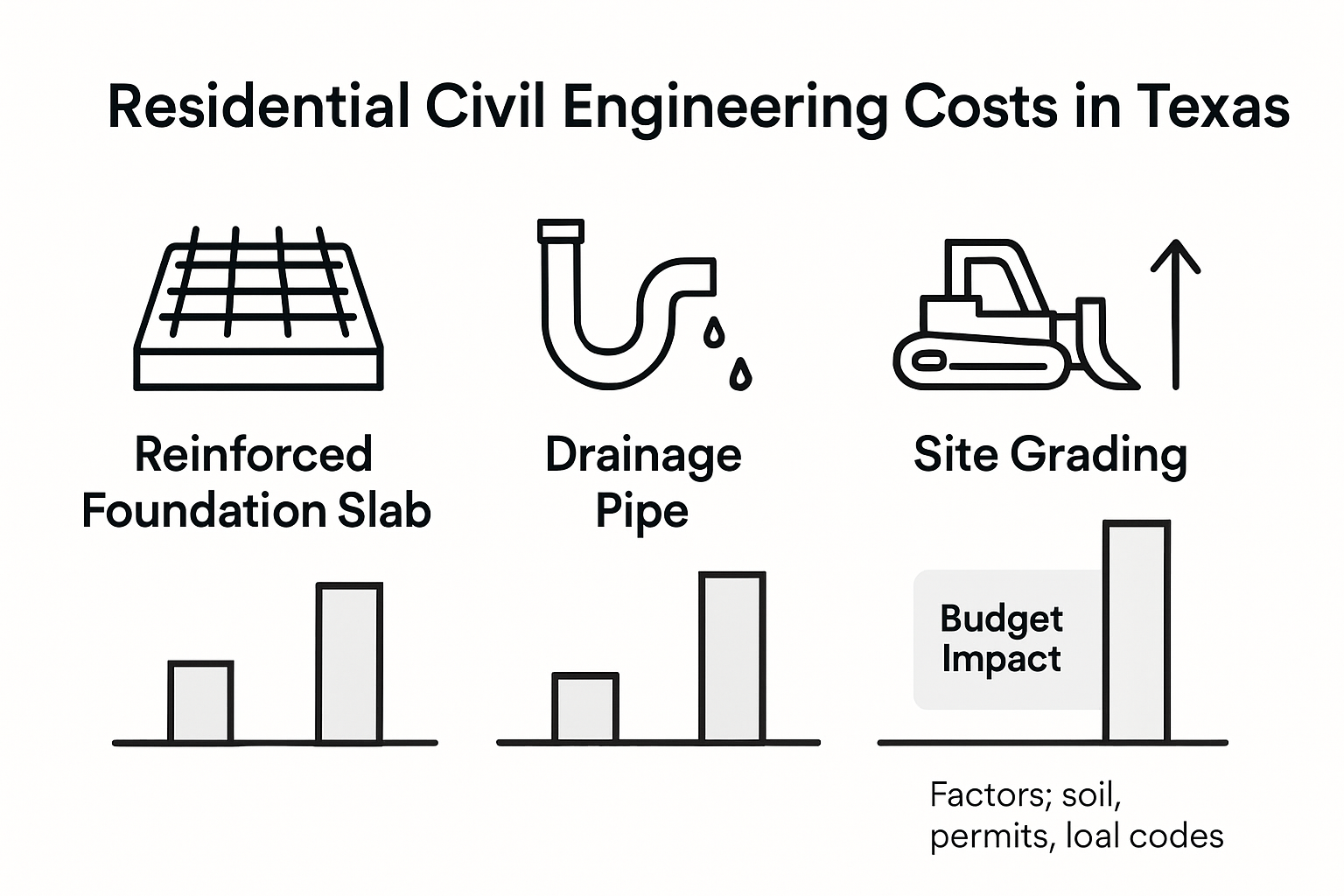
Homeowners frequently encounter multiple financial variables when engaging civil engineering services. Modern technological advancements are revolutionizing project management strategies, enabling more precise cost estimations and efficiency improvements. These technological innovations help mitigate unexpected expenses by providing comprehensive predictive modeling and detailed risk assessments that can prevent costly future repairs or structural modifications.
Key cost factors homeowners should consider include:
-
Direct Project Expenses
- Material procurement costs
- Labor rates and workforce expenses
- Equipment and technology investments
- Site preparation and assessment fees
-
Indirect Cost Considerations
- Regulatory compliance expenses
- Permit and inspection charges
- Engineering consultation fees
- Risk mitigation strategies
-
Long-Term Financial Implications
- Potential energy efficiency savings
- Structural durability benefits
- Reduced maintenance expenditures
- Enhanced property value
-
Technology-Driven Cost Management
- Digital modeling and simulation
- Predictive maintenance planning
- Advanced materials selection
- Real-time project tracking
Residential engineering services provide comprehensive approaches to managing project expenses while ensuring optimal structural integrity and performance. By leveraging advanced technologies and systematic planning, civil engineers help Texas homeowners navigate the complex financial landscape of construction and renovation projects, transforming potential budget challenges into strategic investment opportunities.
Secure Your Texas Home with Trusted Civil Engineering Experts
Understanding the impact of civil engineering on Texas homes means recognizing the challenges of foundation stability, flood risks, and site planning unique to our state. Homeowners need reliable solutions to address soil conditions, drainage issues, and structural integrity while navigating local building codes and regulations. If you want peace of mind knowing your residential or commercial project is built to last, experienced licensed engineers are essential.

Discover how our Uncategorized Archives – Connecticut Licensed Engineers insights align with Texas-specific expertise to guide you. Our team at texas licensed engineering services offers comprehensive support including foundation inspections, construction plans, permitting, and forensic investigations tailored specifically for Houston, Austin, Dallas, San Antonio, and surrounding areas. Don’t wait for problems to arise — protect your investment with trusted professionals who understand Texas’ unique environmental and regulatory demands.
Start your project with confidence today by visiting https://texaslicensedengineers.com and secure reliable engineering services designed for your home’s safety and value.
Frequently Asked Questions
What is civil engineering?
Civil engineering is a professional discipline focused on designing, constructing, and maintaining infrastructure that supports modern living, including buildings, roads, bridges, and drainage systems.
How do civil engineers impact the construction of homes in Texas?
Civil engineers play a crucial role in Texas home construction by assessing site conditions, designing stable foundations, and implementing flood mitigation strategies to safeguard residential structures against local environmental challenges.
What are some common civil engineering projects related to residential construction in Texas?
Common projects include single-family home foundation design, multi-unit housing developments, flood control systems, and overall site grading and drainage planning to enhance residential environments.
Why is regulatory compliance important for civil engineering projects in Texas?
Regulatory compliance ensures that engineering projects meet safety, environmental, and technical standards set by local and state authorities, protecting public safety and enhancing structural integrity in residential and commercial developments.
Recommended
- greater San Antonio – Texas Licensed Engineers | Residential & Commercial
- Greater Houston – Texas Licensed Engineers | Residential & Commercial
- Greater Dallas – Texas Licensed Engineers | Residential & Commercial
- Greater Austin – Texas Licensed Engineers | Residential & Commercial
- What Is Storm Damage? Understanding Its Impact on Homes – Liberty Roofworks
