
Engineering Specs: Why Texas Projects Depend on Them
Building a home in Texas brings big dreams but also tough decisions about safety, quality, and passing every inspection. For homeowners and contractors alike, misunderstanding or overlooking engineering specifications can turn an exciting project into a stressful, expensive ordeal. Clear, detailed specifications are the foundation for compliance, accountability, and smooth permitting, giving everyone a common standard to follow from plans to final walk-through. This guide breaks down exactly what Texas engineering specs require—so you avoid costly rework and keep your project on track.
Table of Contents
- Engineering Specifications Defined and Demystified
- Types of Engineering Specs for Texas Projects
- How Engineering Specs Guide Construction
- Legal Standards and Permit Requirements in Texas
- Homeowner Responsibilities and Common Pitfalls
Key Takeaways
| Point | Details |
|---|---|
| Importance of Engineering Specifications | Engineering specifications are binding documents that establish clear standards for projects, ensuring compliance, safety, and communication among contractors and inspectors. |
| Legal and Permit Requirements | Texas requires engineering specs for permits, making them legally binding and crucial for project approval and accountability. |
| Types of Specifications | Different types of specifications, such as structural, material, and performance, are essential for communicating project requirements and ensuring safety. |
| Homeowner Responsibilities | Homeowners should understand their responsibilities regarding permits and specifications to avoid costly mistakes and legal complications. |
Engineering Specifications Defined and Demystified
Engineering specifications are detailed, documented requirements that define exactly what materials, products, or processes must do. Think of them as the blueprint’s instruction manual—they tell contractors, inspectors, and manufacturers precisely what’s expected.
They’re not suggestions or guidelines. Specs are binding documents that establish the standards every project must meet.
What Specs Actually Include
Technical specifications) cover far more than basic measurements. They outline:
- Material types and grades required for construction
- Dimensions and tolerances for structural components
- Performance requirements and safety standards
- Installation procedures and quality standards
- Testing and inspection requirements
- Finishing standards and aesthetic specifications
Every item on this list directly affects your project’s compliance, safety, and ability to pass inspection.
Why Texas Projects Cannot Skip This Step
Texas building codes require engineering specifications for residential projects because they create consistency and accountability. Without specs, your contractor might interpret requirements differently than your inspector does—and that’s when problems start.
Specifications provide common ground. Everyone reads the same requirements and understands what “acceptable” looks like.
Engineering specifications transform vague ideas into measurable, enforceable standards that protect both your investment and your home’s structural integrity.
The Standards Behind Your Specs
Texas projects rely on established engineering standards developed by organizations like ANSI, ASME, ASTM, and ISO. These aren’t random guidelines—they’re developed through decades of research, testing, and real-world experience.
When local permitting officials reference “code compliance,” they’re referring to these standardized specifications.
Your engineer writes project specifications based on these established standards, customized for your specific location, soil conditions, and building type. A foundation spec in Houston handles different soil than one in Austin—the standards remain constant, but the application changes.
Compare how different specification standards affect project outcomes:
| Standard Organization | Primary Role in Specs | Texas Residential Relevance |
|---|---|---|
| ANSI | Defines national quality | Basis for electrical, mechanical codes |
| ASME | Sets mechanical standards | Influences plumbing and HVAC specs |
| ASTM | Material testing rules | Impacts concrete, steel, and wood use |
| ISO | Global quality framework | Used in performance and safety specs |
How Specs Protect Your Project
Specifications serve three critical functions in residential construction:
- Quality control — They ensure materials and workmanship meet minimum standards throughout construction
- Legal documentation — They create enforceable contracts between you, your contractor, and permitting officials
- Safety compliance — They embed building code requirements directly into project documents
Without clear specifications, disputes arise about what was actually promised. Your spec becomes the tiebreaker.
The Real Cost of Missing Specs
Skipping proper engineering specifications on Texas residential projects creates expensive problems. Permit denial delays your timeline. Inspectors may require costly rework. Structural issues discovered later become exponentially more expensive to fix.
Thorough specs prevent these scenarios by getting everything right from the beginning.
Pro tip: Request detailed engineering specifications early in your project planning, then review them carefully with your contractor before breaking ground—catching misunderstandings on paper prevents costly field corrections.
Types of Engineering Specs for Texas Projects
Engineering specifications come in several distinct types, each serving a different purpose in residential construction. Understanding which specs apply to your project helps you communicate with engineers and contractors more effectively.
Texas projects don’t follow a one-size-fits-all approach. Your specific needs determine which spec categories matter most.
Structural Specifications
Structural specs define how your home withstands loads and forces. They cover foundation design, framing requirements, load calculations, and materials like concrete strength and steel grades.
These are non-negotiable for any residential project in Texas. Building inspectors verify structural specs during every phase of construction.
Structural specs address regional factors too. Soil conditions in Dallas differ from Houston’s clay, so structural requirements vary by location.
Material and Product Specifications
These specs describe exactly what materials contractors must use. Instead of saying “good quality concrete,” specs state precise requirements like strength ratings, composition, and testing procedures.
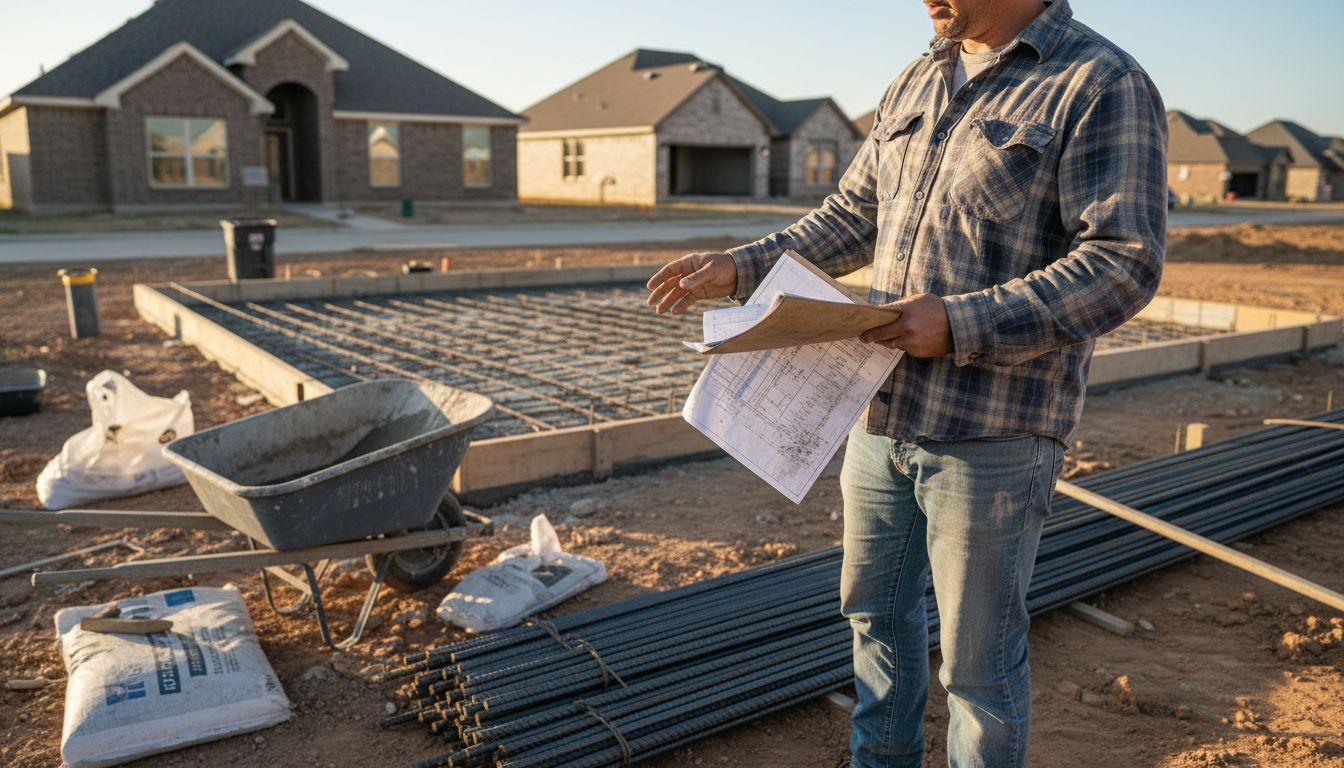
Material specs prevent substitution problems. A contractor cannot swap cheaper materials without violating the specification.
Key material specs include:
- Concrete compressive strength ratings
- Steel reinforcement grades and placement
- Wood species and grade requirements
- Roofing material and fastening standards
- HVAC equipment specifications
Construction Method Specifications
These detail how work gets performed, not just what materials are used. They cover installation procedures, sequencing, quality control, and workmanship standards.
TxDOT standard specifications outline construction methods for large Texas projects, including measurement procedures and payment requirements.
For residential work, construction method specs ensure consistent quality across your entire project.
Environmental and Compliance Specifications
Certain Texas projects require environmental engineering specifications, particularly those involving wastewater systems, drainage, or site grading. TCEQ design standards specify treatment facility design, collection systems, and disinfection requirements for environmental infrastructure projects.
Even residential projects affecting storm drainage or septic systems need environmental compliance specs.
Performance and Safety Specifications
These define what the finished product must accomplish and how it must behave. Wind resistance ratings, water infiltration limits, and fire ratings fall into this category.
Different specification types work together—material specs define what you use, construction specs explain how to install it, and performance specs confirm it works correctly.
Texas residential projects typically require multiple spec categories working simultaneously. Your engineer selects which types apply based on project scope and local code requirements.
Here’s a quick reference table comparing major types of engineering specifications used in Texas residential construction:
| Spec Type | Focus Area | Typical Texas Project Impact |
|---|---|---|
| Structural | Load, foundation, framing | Ensures safe and stable structure |
| Material & Product | Concrete, steel, HVAC | Prevents poor material substitutions |
| Construction Method | Work procedures, sequencing | Guarantees consistent craftsmanship |
| Environmental & Compliance | Wastewater, grading, drainage | Protects public health/environment |
| Performance & Safety | Wind, fire, infiltration | Provides code-required protections |
Pro tip: Request a specification summary from your engineer that lists which spec types apply to your project, then share it with your contractor before work begins so everyone understands the exact requirements.
How Engineering Specs Guide Construction
Engineering specifications act as the detailed instruction manual for every phase of your project. They transform vague ideas into measurable, enforceable requirements that contractors must follow from the first nail to the final inspection.
Without specs, construction becomes a guessing game. With them, everyone knows exactly what’s expected.
Specs Create Daily Work Instructions
During construction, contractors reference specs constantly. They check material requirements before ordering, verify installation procedures before starting work, and confirm quality standards before signing off on completed sections.
Contractors use specs to answer critical questions:
- What exact material grade should I order?
- How should this component be installed?
- What quality level must I achieve?
- When is this work complete enough to move forward?
Specs eliminate the need for contractors to make judgment calls about standards. The specification document provides the answer.
Specs Establish Legal Accountability
Engineering specifications become contractual documents binding all parties involved. When disputes arise about workmanship or materials, the spec determines who’s right.
Your contractor cannot claim ignorance about requirements. The spec was provided, detailed, and incorporated into the contract before work began.
Construction specification frameworks like MasterFormat organize information clearly, reducing miscommunication and rework by establishing standards that legally bind parties to agreed-upon quality and performance expectations.
This legal protection works both ways. Contractors have clear expectations too, preventing scope creep and endless revisions.
Specs Drive Quality Control
Building inspectors verify compliance with engineering specifications at multiple checkpoints. Foundation inspections, framing inspections, final inspections—each uses specs as the measuring stick.
If work doesn’t meet spec requirements, inspectors flag it for correction. This prevents substandard work from being covered up and buried in walls.
Quality control happens continuously:
- Material delivery inspections confirm correct grades arrived
- Installation inspections verify proper placement and technique
- Finish inspections ensure performance standards were met
- Testing confirms structural and safety requirements
Specs Manage Safety and Compliance
TxDOT standard specifications structure Texas construction by detailing work items including materials, equipment, and construction methods while managing quality, enforcing safety standards, and clarifying contractor responsibilities.
Residential projects follow similar spec-based safety protocols. Foundation depth specifications prevent settling issues. Electrical specs ensure safe wiring installation. Structural specs confirm buildings withstand wind and loads.
Safety isn’t negotiable. Specs make it mandatory.
Specs Prevent Costly Rework
Engineering specifications reduce miscommunication and expensive rework by establishing clear, organized requirements that all parties understand and accept before construction begins.
When specifications are absent or vague, contractors make assumptions. Those assumptions sometimes clash with what inspectors require or what homeowners expected. Rework follows, adding weeks and thousands of dollars to your project timeline and budget.
Clear specs prevent this scenario entirely.
Pro tip: Review the engineering specifications thoroughly with your contractor during the preconstruction meeting, and ask them to walk you through how they’ll verify compliance with each major spec requirement—this alignment prevents surprises during inspections.
Legal Standards and Permit Requirements in Texas
Texas has specific legal standards governing engineering specifications and permits. These requirements exist to protect homeowners, ensure public safety, and maintain professional accountability throughout residential construction projects.
Ignoring these standards creates legal liability and permit rejection issues that delay your project significantly.
Professional Engineering Standards
Texas professional engineers must comply with the Engineering Practice Act, which mandates that licensed engineers prepare plans and specifications ensuring safety and maintaining ethical standards. This legal framework applies to every residential project requiring engineering services in Texas.
Your engineer’s license depends on following these standards. That accountability protects you.
Engineers renew licenses biennially with continuing education requirements. This ensures they stay current with evolving building codes, materials, and best practices.
Permit-Required Engineering Specifications
Permitting officials require engineering specifications before approving your project. Vague or incomplete specs get rejected, forcing revisions and extending timelines.
Permit reviewers examine specs for:
- Structural compliance with Texas building codes
- Material specifications meeting industry standards
- Construction methods ensuring safety compliance
- Professional engineer seals and signatures
- Site-specific conditions and design calculations
Missing any of these elements means permit denial and rework.
Contractual and Legal Binding
Once submitted with your permit application, engineering specifications become legally binding documents. They create enforceable obligations between you, your contractor, and permitting authorities.
Disputes about workmanship, materials, or installation procedures reference the specifications. The spec determines who’s right and who’s responsible for corrections.
This legal status protects you by creating accountability for everyone involved.
Compliance With State Construction Standards
TxDOT standard specifications incorporate legal requirements necessary for contract execution and project permits, including contractor qualifications, scope of work, control measures, and compliance with state laws that all engineers must follow.
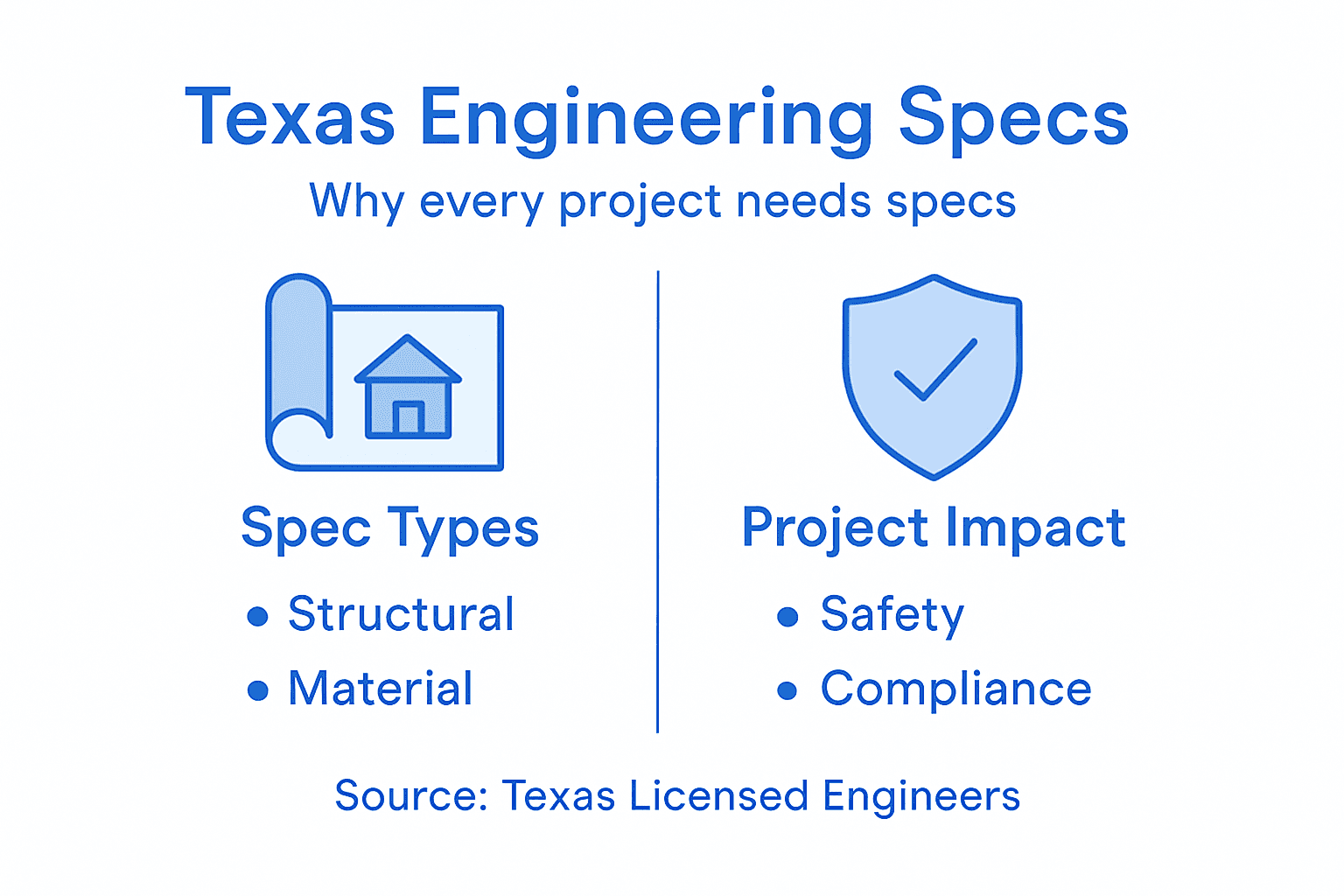
Residential projects operate under similar compliance frameworks. Building inspectors verify spec compliance at each inspection phase.
Non-compliance results in failed inspections, work stoppages, and expensive corrections.
Local Jurisdiction Variations
Texas cities and counties adopt building codes at different times. Some jurisdictions use the International Building Code directly; others modify it with local amendments.
Your engineer understands these local variations and writes specifications accordingly.
Legal standards and permit requirements in Texas exist to protect your safety and investment—engineering specifications that meet these standards prevent costly problems and permit delays.
Dallas has different requirements than Houston. San Antonio differs from Austin. Your engineer customizes specifications for your specific jurisdiction.
What Happens Without Proper Legal Standards
Projects missing proper legal specifications face serious consequences:
- Permit rejection and project delays
- Failed inspections requiring expensive rework
- Liability issues if structural problems emerge later
- Contractor disputes about contract obligations
- Insurance claim denials due to code violations
Proper engineering specifications prevent all these scenarios.
Pro tip: Verify your engineer holds an active Texas Professional Engineer license and ask them to explain how your project specifications meet current local building codes before submitting permits.
Homeowner Responsibilities and Common Pitfalls
As a Texas homeowner, you carry specific responsibilities when undertaking construction projects involving engineering specifications. Understanding what you’re responsible for prevents costly mistakes, permit rejections, and legal complications down the road.
Most homeowners don’t realize their liability until something goes wrong.
Understanding Permit Responsibility
Contractors typically obtain permits, but your contract should explicitly state this responsibility. If you pull an owner-builder permit yourself, you assume full liability for code compliance, inspections, and worker safety.
This distinction matters enormously. Pulling your own permit means you’re legally responsible if something fails inspection or causes injury.
Always confirm in writing who handles permits before construction begins.
The Owner-Builder Permit Trap
Some homeowners pull owner-builder permits to save money. This decision carries serious consequences you may not anticipate.
When you’re the permit holder, you become:
- Responsible for all building code compliance
- Liable for worker injuries on your property
- Required to pass all inspections personally
- At risk for fines if work violates codes
- Potentially unable to obtain insurance coverage
Many homeowners regret this choice after facing inspection failures or injury liability.
Incomplete Submittals and Delays
Homeowners must submit complete permit applications with all required supporting documents to comply with county engineering regulations. Incomplete submittals get rejected, forcing resubmission and extending your timeline significantly.
Common missing items include:
- Engineering specifications not sealed by a licensed engineer
- Incomplete site plans missing required details
- Material specifications lacking performance data
- Structural calculations without engineer certification
- Missing utility coordination documents
One missing page can delay your entire project by weeks.
The Unpermitted Work Nightmare
Skipping permits seems like a shortcut. It’s actually the path to major problems.
Unpermitted work creates serious consequences:
- Code enforcement actions and fines
- Inability to sell your home without disclosure
- Insurance claim denials for unpermitted work
- Lender issues if financing is involved
- Structural liability if problems emerge later
Permits exist to protect you, not burden you.
Not Reviewing Specifications
Many homeowners never read their engineering specifications. They assume the contractor will handle everything correctly.
Homeowners who understand their engineering specifications catch problems early, prevent misunderstandings with contractors, and ensure their project meets all legal requirements.
Take time to review specs with your engineer and contractor. Ask questions about anything unclear. This protects your investment.
Contractor Selection Without Spec Verification
Hiring a contractor without confirming they understand and can meet your engineering specifications creates conflict. The contractor may interpret specs differently than intended or claim specs were unclear.
Discuss specifications in detail during contractor interviews. Ask how they’ll verify compliance and document it.
Pro tip: Request a pre-construction meeting with your contractor and engineer to review specifications together, confirm permit status in writing, and establish a clear process for documenting compliance with each spec requirement.
Ensure Your Texas Project Stands Strong with Trusted Engineering Specifications
Proper engineering specifications are crucial for avoiding costly permit delays, failed inspections, and structural issues, as highlighted in the article. If you want to protect your investment and guarantee safety compliance from foundation to finish, partnering with licensed professionals who understand Texas building codes and regional challenges is essential. Key pain points like clear legal accountability, quality control, and material standards all demand expertise that only experienced engineers can provide.
Discover comprehensive solutions tailored for Texas residential and commercial projects including structural inspections, construction plans, permitting guidance, and forensic investigations. Whether you are in Houston, Austin, Dallas, San Antonio, or beyond, Texas Licensed Engineers delivers the expertise you need to transform engineering specs into a flawless build.
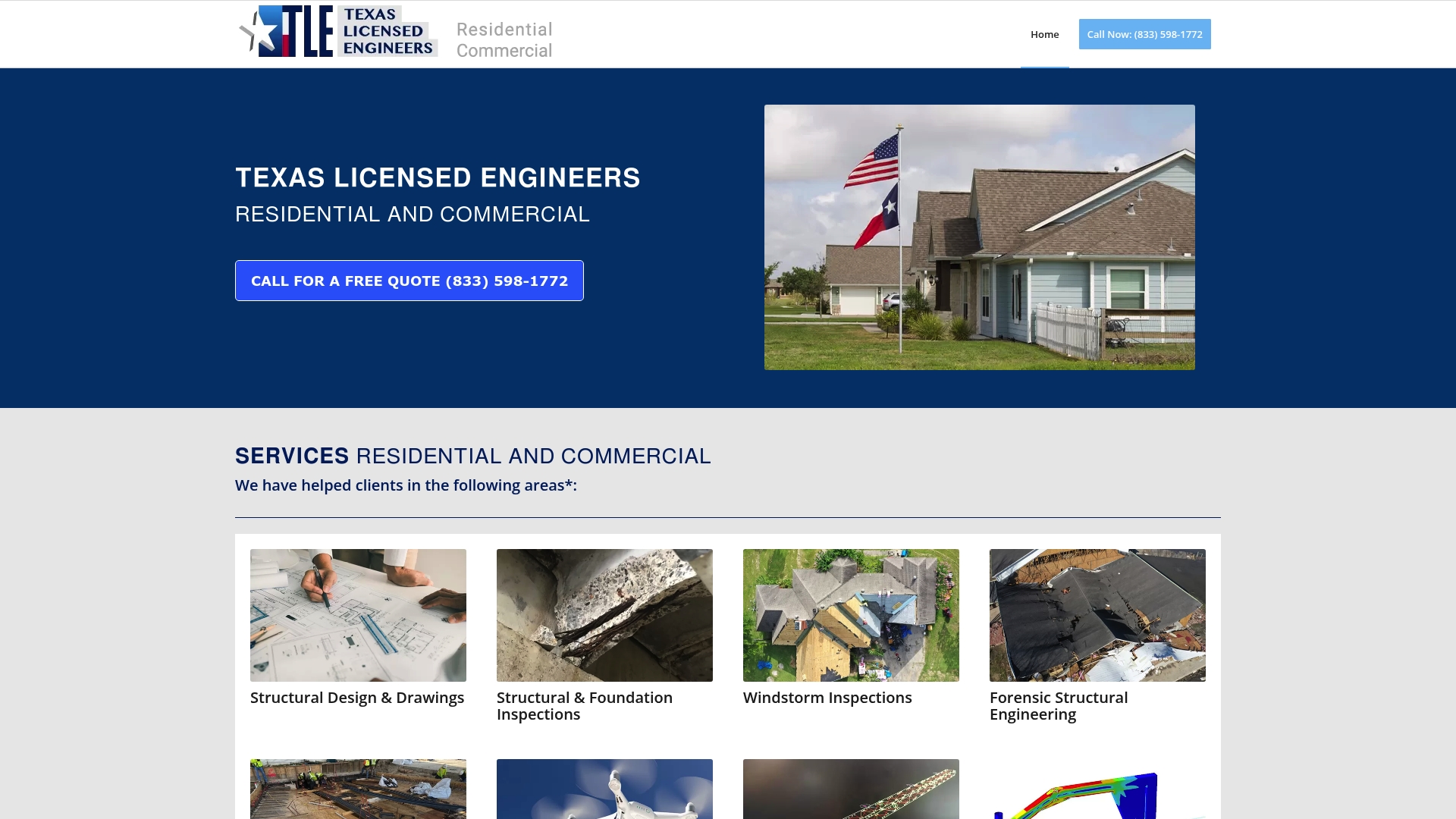
Don’t risk expensive rework or permit rejections. Visit our TLE Archives – Texas Licensed Engineers | Residential & Commercial to learn more about how we help streamline compliance and ensure specifications meet local requirements. Ready to get started or have questions about your project’s specs? Contact us today at Texas Licensed Engineers and secure your peace of mind now.
Frequently Asked Questions
What are engineering specifications?
Engineering specifications are detailed, documented requirements that outline exactly what materials, products, or processes must do in a construction project. They serve as binding documents to ensure compliance and safety.
Why are engineering specifications important for Texas projects?
Engineering specifications are crucial for Texas projects because they establish clear standards for construction, ensuring consistency across contractors, inspectors, and engineers. They protect investments and ensure that projects comply with local building codes.
What types of engineering specifications are used in residential construction?
In residential construction, common types of engineering specifications include structural specifications, material and product specifications, construction method specifications, environmental and compliance specifications, and performance and safety specifications.
How do engineering specifications affect project compliance and safety?
Engineering specifications affect project compliance and safety by embedding mandatory safety standards and building codes directly into the project. They are used by inspectors to verify that every aspect of the construction meets the required standards, preventing substandard work or safety violations.
Recommended
- 7 Essential Structural Engineering Tips for Texas Projects – Texas Licensed Engineers | Residential & Commercial
- Role of Engineers in Texas Construction Projects – Texas Licensed Engineers
- Structural Engineering Guide 2025 for Texas Projects – Texas Licensed Engineers | Residential & Commercial
- How to Choose Texas Engineering Firm for Your Project – Texas Licensed Engineers | Residential & Commercial


