
Why Engineers Review Renovations in Texas Homes
Major renovations can quickly reveal how much is at stake for Texas homeowners and real estate investors. Skipping a professional evaluation might save time in the short run, but hidden issues can lead to costly setbacks or safety concerns down the road. An engineering review of renovations offers peace of mind by thoroughly addressing structural integrity and compliance, ensuring every improvement adds lasting value and meets Texas standards.
Table of Contents
- What Engineering Review of Renovations Means
- Key Types of Renovation Engineering Assessments
- How Engineers Identify Structural and Safety Risks
- Legal and Permit Requirements for Texas Renovations
- Potential Liabilities and Common Pitfalls
Key Takeaways
| Point | Details |
|---|---|
| Importance of Engineering Reviews | Engineering reviews ensure that home renovations meet safety, structural, and regulatory standards, protecting homeowners from risks and compliance issues. |
| Types of Assessments | Different assessments, such as structural condition and property evaluations, help identify vulnerabilities and enhance safety and compliance in renovations. |
| Legal Requirements | Homeowners must obtain necessary building permits, and non-compliance can lead to significant legal and financial consequences. |
| Risk of Contractor Scams | Homeowners should be cautious when selecting contractors to avoid scams, and always verify licenses and maintain project documentation. |
What Engineering Review of Renovations Means
An engineering review of renovations is a comprehensive professional assessment that ensures home improvement projects meet critical safety, structural, and regulatory standards in Texas. This specialized evaluation goes far beyond a casual inspection, involving detailed technical analysis to protect homeowners from potential risks and compliance issues.
Engineering reviews typically involve several critical components:
- Structural integrity analysis of proposed renovation plans
- Verification of building code compliance
- Assessment of potential safety hazards
- Evaluation of materials and construction methods
- Detailed documentation of proposed modifications
The process is particularly important when considering complex renovations that might impact a home’s foundational structure or existing systems. Lead renovation safety regulations require professional assessment, especially for homes built before 1978, where potential hazards like lead-based paint can create significant health risks.
Professional engineers conduct these reviews by systematically examining architectural plans, conducting site assessments, and using specialized knowledge to identify potential problems before they become expensive or dangerous issues. Their expertise ensures that renovation projects not only look good but are fundamentally safe and compliant with local and state regulations.
Pro tip: Always request a detailed written engineering review before starting major home renovation projects to understand potential structural challenges and compliance requirements.
Key Types of Renovation Engineering Assessments
Engineering assessments for home renovations in Texas encompass multiple specialized evaluations designed to ensure comprehensive safety, structural integrity, and regulatory compliance. These assessments are critical for homeowners planning substantial improvements or addressing potential structural vulnerabilities.
The primary types of renovation engineering assessments include:
- Structural condition assessments that evaluate the building’s foundational and load-bearing elements
- Property condition evaluations examining major building systems and components
- Energy efficiency and system performance assessments
- Environmental hazard and risk inspections
- Compliance verification with local building codes and regulations
Professional engineers conduct these assessments through detailed methodical processes that go beyond surface-level inspections. They employ advanced diagnostic tools and extensive technical knowledge to identify potential issues that might not be immediately visible to untrained observers. These comprehensive reviews help prevent costly future repairs and ensure the safety of residential structures.
Specifically, home remodeling assessments often focus on critical areas such as structural repairs, system upgrades, and compliance with evolving building standards. Engineers meticulously document their findings, providing homeowners with a comprehensive understanding of their property’s condition and potential renovation requirements.
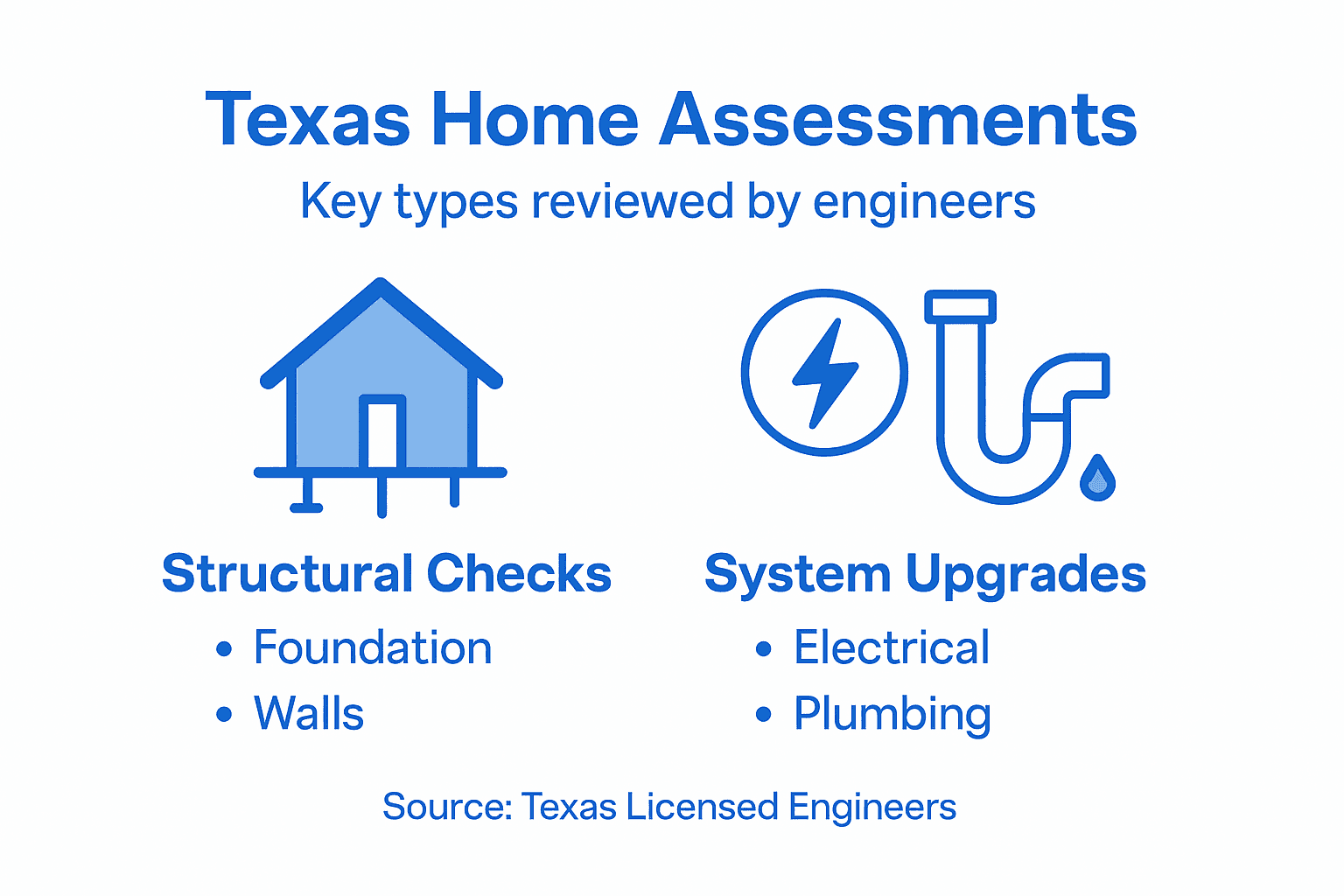
Below is a summary of how different renovation engineering assessments protect Texas homeowners:
| Assessment Type | Main Purpose | Typical Outcomes |
|---|---|---|
| Structural condition assessment | Identify foundational vulnerabilities | Improved structural safety |
| Property condition evaluation | Analyze overall building health | Early detection of system failures |
| Energy and system performance | Boost energy efficiency | Lower utility expenses |
| Environmental hazard inspection | Detect potential health risks | Safer living environment |
| Code and regulation compliance | Ensure legal renovation | Avoid legal complications |
Pro tip: Request a comprehensive written report after each engineering assessment to maintain a detailed record of your home’s structural history and potential improvement needs.
How Engineers Identify Structural and Safety Risks
Engineers employ sophisticated methodologies to systematically uncover potential structural and safety risks during home renovations in Texas. Their comprehensive approach goes far beyond visual inspections, utilizing advanced diagnostic techniques and rigorous analytical processes to protect homeowners from potential hazards.
Structural condition assessments involve several critical investigative strategies:
- Advanced non-destructive testing techniques
- Detailed material integrity evaluations
- Comprehensive load-bearing element analysis
- Moisture and environmental degradation assessments
- Computational modeling of structural performance
Professional engineers meticulously examine multiple dimensions of potential risk, considering factors such as material stress, foundational stability, connection integrity, and historical performance patterns. They use specialized equipment like thermal imaging cameras, ultrasonic testing devices, and laser measurement tools to detect subtle imperfections that might compromise a structure’s safety.
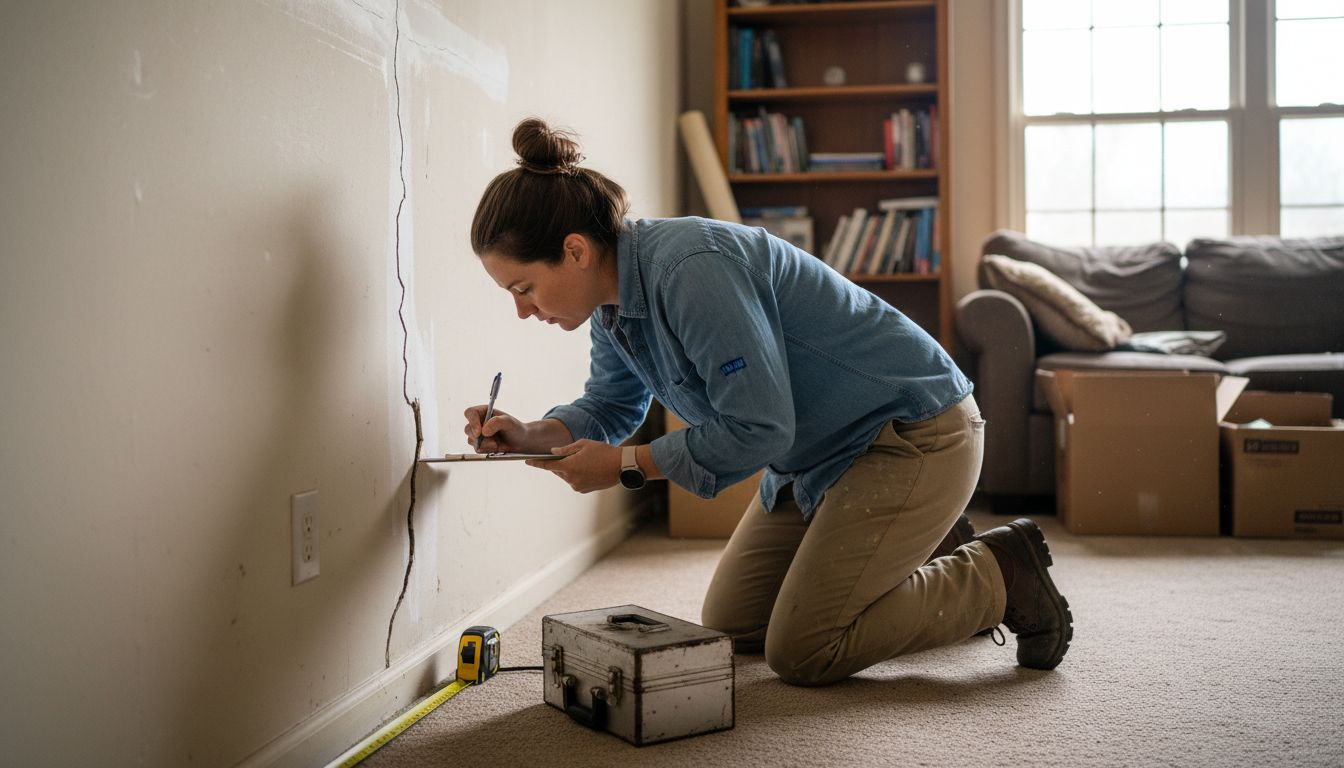
The investigation process typically involves systematic documentation, where engineers create detailed reports capturing every observed condition, potential vulnerability, and recommended intervention. These reports serve as critical reference documents that not only highlight immediate risks but also provide predictive insights into potential future structural challenges.
Pro tip: Request a comprehensive written risk assessment that includes both current structural conditions and potential long-term performance projections for your renovation project.
Legal and Permit Requirements for Texas Renovations
Navigating the legal landscape of home renovations in Texas requires a comprehensive understanding of building permit requirements and local regulatory standards. Homeowners must carefully follow specific protocols to ensure their renovation projects remain compliant with state and municipal regulations.
Building permits in Texas are mandatory for most substantial home renovation projects, covering various aspects of construction and modification. The permit process typically involves:
- Detailed site plan submissions
- Comprehensive documentation of proposed changes
- Review by local building authorities
- Verification of code compliance
- Inspection scheduling at critical construction stages
Most Texas municipalities require separate permits for different trades and renovation types, including electrical, plumbing, structural, and mechanical work. Each permit involves a thorough review process designed to protect homeowners and ensure that renovation work meets stringent safety and quality standards. Local building departments examine submitted plans to verify that proposed modifications align with current building codes, zoning regulations, and environmental requirements.
The complexity of permit requirements varies depending on the scope of renovation. Minor repairs might require simple documentation, while major structural modifications demand extensive technical drawings, engineering assessments, and multiple inspections throughout the construction process. Homeowners who fail to obtain proper permits can face significant legal and financial consequences, including potential fines, mandatory removal of unpermitted work, and complications during property sales.
Pro tip: Consult with a licensed engineer or local building department before starting any significant renovation to understand the specific permit requirements for your project.
Potential Liabilities and Common Pitfalls
Home renovations in Texas present a complex landscape of potential legal and financial risks that homeowners must carefully navigate. Understanding these risks is crucial for protecting your investment and avoiding costly mistakes that could compromise your property’s value and safety.
Home improvement contractor scams represent one of the most significant threats to homeowners, with several key warning signs:
- Contractors demanding full payment upfront
- Unlicensed professionals offering significantly lower bids
- High-pressure sales tactics
- Cash-only payment requirements
- Inability to provide verifiable references
- Lack of proper insurance documentation
Liability concerns extend beyond contractor selection. Homeowners must understand their legal responsibilities during renovation projects. Contractor injuries and property damage can create complex legal scenarios where financial responsibility may depend on multiple factors, including project scope, contractor classifications, and specific contractual agreements.
The potential financial and legal consequences of renovation missteps can be substantial. Unpermitted work can result in significant fines, mandatory project reversal, insurance complications, and challenges when selling the property. Professional engineers and licensed contractors provide critical protection by ensuring work meets all regulatory standards and minimizing potential liability risks.
The table below compares major legal and liability risks in Texas home renovations:
| Risk Category | Source of Risk | Potential Consequences |
|---|---|---|
| Contractor selection | Hiring unlicensed contractor | Legal action, unsafe work |
| Permit compliance | Skipping required permits | Heavy fines, demolition orders |
| Insurance coverage | Lack of contractor insurance | Homeowner pays for damages/injuries |
| Documentation lapse | Incomplete project records | Compromised resale, future disputes |
| Payment practices | Cash upfront or no contract | Contractor fraud, loss of funds |
Pro tip: Always obtain multiple written estimates, verify contractor licenses, and maintain comprehensive documentation throughout your renovation project to protect yourself legally and financially.
Ensure Safety and Compliance with Expert Engineering Reviews for Texas Home Renovations
Renovating your Texas home involves more than just aesthetic upgrades. The article highlights the crucial need for professional engineering reviews to identify structural risks, meet legal permit requirements, and prevent costly liabilities. If you want to avoid headaches like unpermitted work, safety hazards, or contractor scams it is vital to understand the detailed assessments engineers perform such as structural condition evaluations and compliance verification.
Our dedicated team at Texas Licensed Engineers specializes in comprehensive residential and commercial services designed to address exactly these challenges. From foundation inspections and construction plans to forensic investigations and engineering calculations, we help you navigate every step of your renovation safely and confidently. Learn more about how our trusted experts approach renovation engineering and inspection to safeguard your investment and property.

Don’t risk costly mistakes or legal issues by moving forward without professional guidance. Contact us today at Texas Licensed Engineers to schedule your thorough engineering review and protect your home with expert insight tailored to Texas regulations and standards.
Frequently Asked Questions
What is an engineering review of renovations?
An engineering review of renovations is a detailed assessment conducted by professional engineers to ensure that home improvement projects meet safety, structural, and regulatory standards, protecting homeowners from potential risks and compliance issues.
Why are engineering reviews important for home renovations?
Engineering reviews are important because they evaluate the structural integrity of proposed renovations, ensure compliance with building codes, assess safety hazards, and document necessary modifications, preventing costly repairs and ensuring homeowner safety.
What types of assessments do engineers conduct during renovation reviews?
Engineers conduct several types of assessments, including structural condition assessments, property condition evaluations, energy efficiency assessments, environmental hazard inspections, and code compliance verifications to ensure comprehensive safety and regulatory adherence.
How do engineers identify potential structural risks during evaluations?
Engineers use a combination of advanced diagnostic tools, detailed material evaluations, and thorough analytical processes to uncover structural and safety risks, ensuring comprehensive documentation of current conditions and potential vulnerabilities.
Recommended
- Purpose of Engineering Reviews – Ensuring Safe Texas Homes – Texas Licensed Engineers
- Why Get Engineering Services in Texas Homes – Texas Licensed Engineers | Residential & Commercial
- Home Inspection vs Engineering Inspection: Key Differences for Texas Homeowners – Texas Licensed Engineers | Residential & Commercial
- 7 Key Steps for a Complete Residential Inspection Checklist – Texas Licensed Engineers | Residential & Commercial


