
Purpose of Engineering Reviews – Ensuring Safe Texas Homes
Building or remodeling a home in Houston or Austin often raises big questions about structural safety. For Texas homeowners and contractors, understanding what really goes into an engineering review can be confusing but it is a crucial part of protecting your property and investment. This article clears up common misconceptions and highlights why a rigorous technical evaluation led by experienced professionals is much more than just a checklist—it is your best tool for ensuring strong, code-compliant, and resilient homes.
Table of Contents
- Engineering Reviews Defined And Debunked
- Types Of Reviews For Texas Homes
- How Engineering Reviews Ensure Safety
- Legal Codes And Review Requirements
- Homeowner And Contractor Responsibilities
- Risks, Costs, And Common Pitfalls
Key Takeaways
| Point | Details |
|---|---|
| Importance of Engineering Reviews | Engineering reviews are essential for identifying potential structural risks and ensuring compliance with safety standards. They protect homeowners from costly future repairs by addressing vulnerabilities early. |
| Types of Reviews Available | Texas homeowners should be aware of various engineering review types, including Structural Integrity, Code Compliance, and Foundation Inspections, each targeting specific areas of concern. |
| Legal and Professional Responsibilities | Homeowners and contractors must adhere to licensing and documentation requirements to ensure accountability and maintain safety standards throughout the construction process. |
| Risk Management Strategies | Homeowners should anticipate potential costs and challenges related to engineering reviews by budgeting for contingencies and requesting comprehensive evaluations to uncover hidden vulnerabilities. |
Engineering reviews defined and debunked
Engineering reviews are systematic evaluations that analyze technical documentation, project plans, and structural assessments to ensure safety, compliance, and quality standards. These comprehensive examinations provide critical insights into the structural integrity and potential risks associated with residential and commercial construction projects in Texas.
At their core, engineering reviews involve a meticulous examination of multiple project dimensions, including:
- Structural design analysis
- Material specifications
- Load-bearing calculations
- Foundation stability assessments
- Compliance with local building codes
Contrary to popular misconceptions, engineering reviews are not simple checklists but rigorous technical evaluations requiring deep technical expertise and systematic methodology. Professional engineers conduct these reviews by applying advanced analytical techniques, identifying potential vulnerabilities, and providing data-driven recommendations for mitigating risks.
Understanding the nuanced role of engineering reviews helps homeowners and contractors recognize their significance beyond a mere procedural requirement. These reviews serve as preventative measures, helping identify potential structural issues before they become costly or dangerous problems. By investing in professional engineering reviews, Texas property owners can protect their investments, ensure occupant safety, and maintain long-term structural reliability.
Pro tip: Always request a comprehensive written report detailing specific findings and recommendations during your engineering review to maximize your understanding of potential structural concerns.
Types of reviews for Texas homes
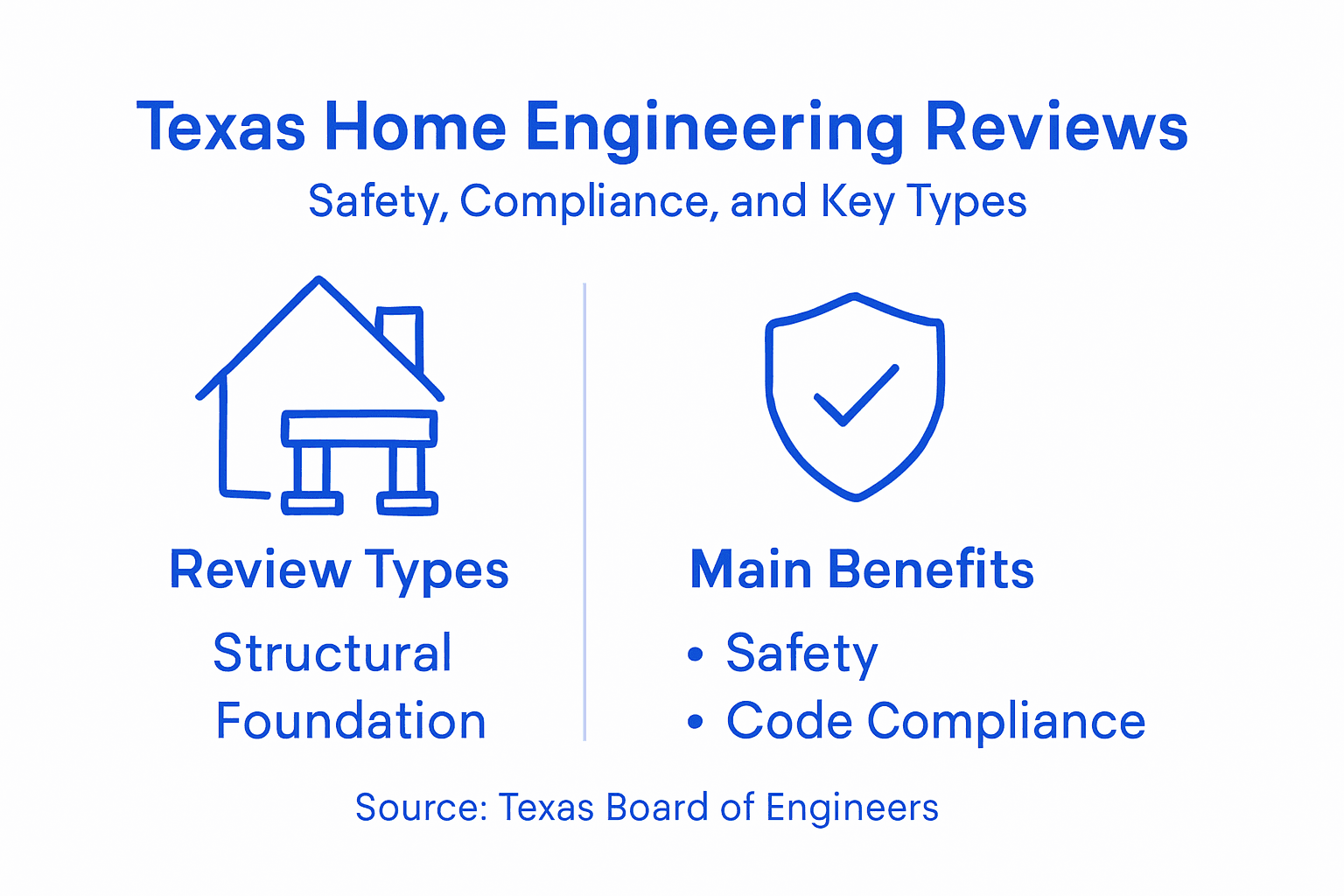
Texas homeowners encounter several critical types of engineering reviews designed to ensure structural safety, regulatory compliance, and property integrity. These specialized assessments help identify potential issues before they become costly problems, protecting both residential investments and occupant safety.
The primary types of engineering reviews for Texas homes include:
- Structural Integrity Review: Evaluates foundation, load-bearing walls, framing, and overall building stability
- Mechanical Systems Review: Examines electrical, plumbing, and HVAC system configurations
- Foundation Inspection: Specifically assesses soil conditions, potential settlement, and structural support
- Post-Damage Assessment: Investigates structural impacts from natural disasters, tree falls, or accidents
- Code Compliance Review: Validates adherence to local building regulations and safety standards
Each review type serves a unique purpose in maintaining residential safety. Structural integrity reviews, for instance, go far beyond surface-level inspections by conducting detailed analysis of load distributions, material stress points, and potential vulnerability zones. Professional engineers use advanced diagnostic tools and mathematical models to provide comprehensive evaluations that protect homeowners from unforeseen structural risks.
Understanding the nuanced differences between these review types helps Texas property owners make informed decisions about their residential investments. While some reviews are mandatory during construction or renovation, others can be proactively requested to prevent potential future complications. By investing in professional engineering reviews, homeowners can mitigate risks, ensure regulatory compliance, and maintain long-term property value.
Here is a quick reference highlighting how different engineering review types support homeowner needs:
| Review Type | Primary Focus | Best Used When |
|---|---|---|
| Structural Integrity | Identifies major structural concerns | Before purchase or renovations |
| Mechanical Systems | Assesses utility system safety | During major system upgrades |
| Foundation Inspection | Reveals foundational weaknesses | Signs of settlement or cracks |
| Post-Damage Assessment | Measures impact after incidents | Following storms or accidents |
| Code Compliance | Ensures legal and safety standards | Before, during, and after build |
Pro tip: Request a detailed written report with specific recommendations after each engineering review to fully understand your home’s structural condition and potential improvement areas.
How engineering reviews ensure safety
Engineering reviews serve as a critical safeguard for Texas homeowners, providing comprehensive protection against potential structural risks and safety hazards. These meticulous evaluations go beyond surface-level inspections, diving deep into the intricate details that could compromise a home’s integrity and its occupants’ well-being.
The safety assurance process involves multiple key strategies:
- Proactive Risk Identification: Detecting potential structural vulnerabilities before they escalate
- Code Compliance Verification: Ensuring buildings meet strict safety standards
- Systematic Diagnostic Analysis: Using advanced tools to evaluate structural components
- Preventative Recommendations: Providing actionable insights to mitigate potential risks
- Comprehensive Documentation: Creating detailed reports that outline specific safety concerns
Professional engineers employ sophisticated methodologies to comprehensively assess residential structures. They analyze everything from foundation stability and load-bearing capacities to electrical system configurations and potential environmental vulnerabilities. By conducting thorough examinations across multiple disciplines, these experts can identify subtle issues that might compromise a home’s safety long before they become critical problems.
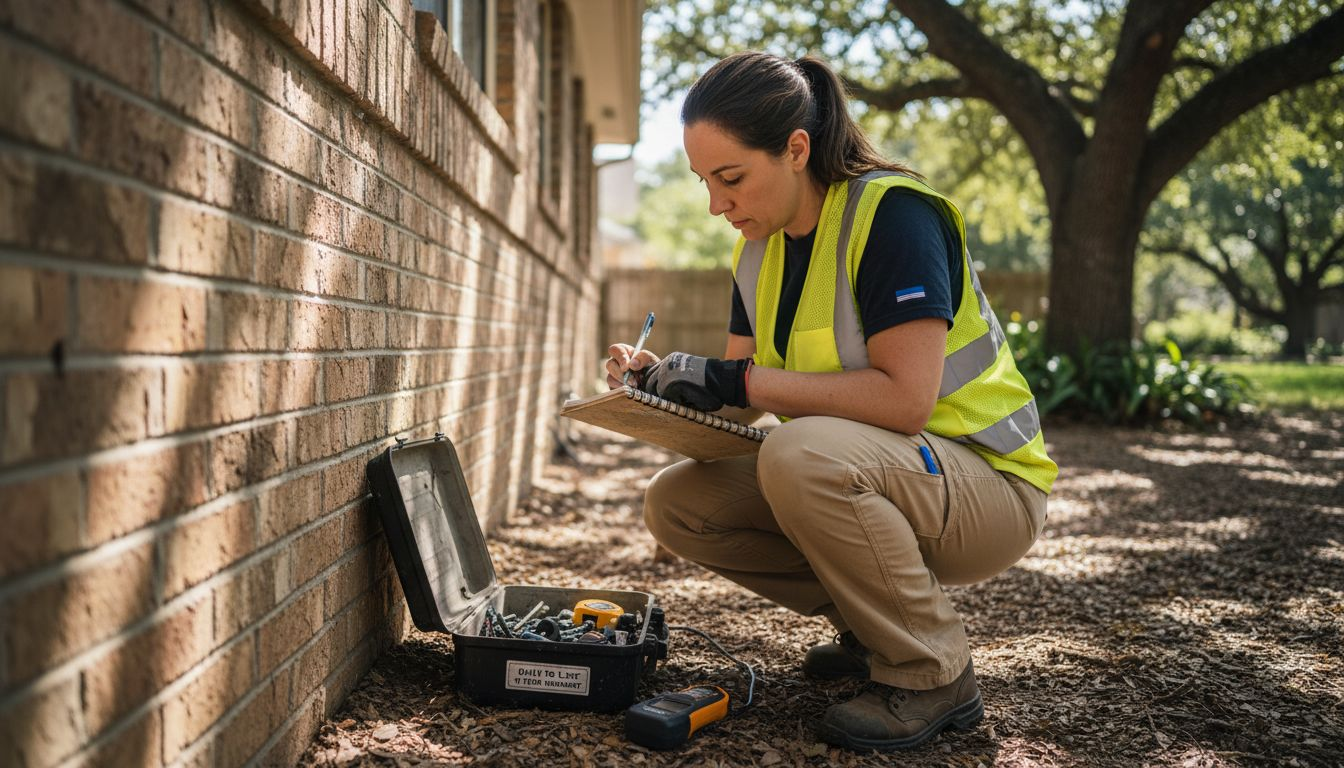
These reviews are particularly crucial in Texas, where diverse environmental conditions like expansive clay soils, extreme temperature variations, and potential natural disasters demand rigorous structural assessments. Engineering reviews act as a critical line of defense, helping homeowners understand their property’s structural health and providing expert guidance on maintenance, repairs, and potential improvements that can prevent costly and dangerous structural failures.
Pro tip: Schedule periodic engineering reviews every 3-5 years, especially after significant weather events or structural modifications, to proactively maintain your home’s safety and structural integrity.
Legal codes and review requirements
Navigating the complex landscape of legal codes and engineering review requirements in Texas demands a comprehensive understanding of state and local regulations. Homeowners and contractors must adhere to a stringent framework of standards designed to protect public safety and ensure structural integrity across residential developments.
Key legal requirements for engineering reviews in Texas include:
- Licensing Verification: Ensuring engineers hold current state professional licenses
- Code Compliance: Adhering to Texas building and safety regulations
- Documentation Standards: Maintaining detailed, legally compliant review records
- Jurisdictional Reporting: Submitting required documentation to local authorities
- Periodic Recertification: Keeping professional credentials and knowledge current
The Texas Board of Professional Engineers plays a critical role in establishing and enforcing these regulatory standards. They mandate specific protocols for engineering reviews, requiring professionals to demonstrate comprehensive knowledge of local building codes, structural requirements, and safety considerations unique to Texas’s diverse environmental conditions. Each review must meticulously document potential risks, structural vulnerabilities, and compliance with state and municipal regulations.
Local jurisdictions like Harris County further augment these requirements with additional layers of regulatory oversight. Engineers must navigate a complex ecosystem of federal, state, and municipal codes, ensuring that residential structures meet not just minimum safety standards, but exceed expectations for durability and resilience. This multi-tiered approach to legal compliance helps protect homeowners from potential structural failures and ensures that Texas residential developments maintain the highest standards of safety and quality.
Pro tip: Always request and verify your engineer’s current professional license and review their specific expertise in Texas residential building codes before commissioning a structural review.
Homeowner and contractor responsibilities
Engineering reviews create a shared responsibility between homeowners and contractors to ensure structural safety and compliance with Texas building regulations. Both parties play critical roles in maintaining the integrity of residential construction projects, with specific legal and professional obligations that protect public safety and property value.
Key responsibilities for homeowners include:
- Permit Acquisition: Securing necessary legal documentation before construction
- Professional Verification: Confirming contractor licensing and credentials
- Documentation Preservation: Maintaining comprehensive records of inspections and reviews
- Timely Communication: Reporting potential structural concerns promptly
- Compliance Cooperation: Supporting required engineering review processes
Contractors bear substantial legal responsibilities throughout the construction process. They must demonstrate technical expertise, adhere to strict building codes, and ensure that every aspect of residential construction meets or exceeds state and local regulatory standards. This includes maintaining accurate documentation, conducting thorough quality checks, and addressing any structural vulnerabilities identified during engineering reviews.
The legal framework governing these responsibilities is designed to create a comprehensive system of checks and balances. Homeowners have the right to expect professional-grade construction, while contractors must provide transparent, high-quality work that meets all technical and safety requirements. This mutual accountability helps protect both parties and ensures the long-term safety and value of residential properties across Texas.
Pro tip: Maintain a dedicated file with all engineering review documents, inspection reports, and contractor certifications to protect your investment and simplify future property transactions.
Risks, costs, and common pitfalls
Engineering reviews for Texas homes involve complex financial and technical considerations that can significantly impact residential construction projects. Homeowners and contractors must carefully navigate a landscape of potential risks, hidden costs, and technical challenges that can derail even the most carefully planned developments.
Common risks and financial pitfalls include:
- Budget Overruns: Unexpected expenses during structural assessments
- Compliance Penalties: Fines for failing to meet regulatory standards
- Hidden Structural Vulnerabilities: Costly repairs discovered during reviews
- Incomplete Documentation: Delays and additional expenses from inadequate records
- Underestimated Project Costs: Overlooking critical inspection and permitting expenses
Technical challenges can emerge from various sources, including complex building information modeling processes and intricate regulatory requirements. Professional engineers must carefully document and analyze potential structural risks, which can involve sophisticated diagnostic techniques and advanced computational models. These comprehensive assessments help identify potential vulnerabilities that might compromise a home’s long-term safety and structural integrity.
The financial implications of engineering reviews extend beyond immediate inspection costs. Homeowners who invest in thorough, professional evaluations can prevent potentially catastrophic structural failures, ultimately saving significant money and protecting their property’s value. By understanding and anticipating these risks, Texas homeowners can make informed decisions that balance immediate costs with long-term structural safety and financial protection.
The table below breaks down common risks, their causes, and strategies for mitigation in Texas engineering reviews:
| Risk Area | Typical Cause | Preferred Mitigation Strategy |
|---|---|---|
| Budget Overruns | Unidentified repairs or scope creep | Build in 10-15% contingency fund |
| Compliance Penalties | Missed regulations or guidelines | Consult licensed local engineers |
| Documentation Issues | Poor record keeping | Maintain organized digital and paper files |
| Hidden Vulnerabilities | Incomplete inspections | Request comprehensive written evaluations |
| Underestimated Costs | Neglected permit/inspection fees | Itemize all fees in initial budgeting |
Pro tip: Create a contingency budget of 10-15% above your initial project estimate to account for potential unexpected findings during engineering reviews and structural assessments.
Protect Your Texas Home With Expert Engineering Reviews
Ensuring your Texas property is structurally sound and compliant with local building codes is essential to avoid costly repairs and safety risks. The article highlights common challenges homeowners face including foundation issues, compliance gaps, and hidden vulnerabilities that can threaten your investment and peace of mind. By leveraging professional engineering services tailored to Texas conditions you gain proactive risk identification, comprehensive documentation, and expert recommendations to safeguard your home.
Discover how our licensed engineers provide detailed structural and foundation inspections, construction plan reviews, and forensic investigations to meet your specific needs. For insightful guidance and proven solutions, visit our TLE Archives – Texas Licensed Engineers | Residential & Commercial to explore real cases and expert advice.

Don’t wait until an issue becomes expensive or dangerous. Act now to secure the safety and value of your property by contacting Texas Licensed Engineers for trusted engineering reviews and inspections. Learn more about our full range of engineering and inspection services designed specifically for Texas homeowners and contractors.
Frequently Asked Questions
What is the purpose of engineering reviews?
Engineering reviews are systematic evaluations aimed at ensuring safety, compliance, and quality standards in construction projects. They analyze structural integrity, material specifications, load-bearing calculations, and compliance with local building codes.
How do engineering reviews help maintain safety in homes?
Engineering reviews help identify potential structural vulnerabilities before they can escalate into dangerous issues. They ensure compliance with safety standards and provide actionable recommendations to mitigate risks.
What types of engineering reviews are commonly performed on homes?
Common types of engineering reviews include Structural Integrity Review, Mechanical Systems Review, Foundation Inspection, Post-Damage Assessment, and Code Compliance Review. Each serves a unique purpose in assessing various aspects of a home’s safety.
How often should homeowners schedule engineering reviews?
Homeowners should schedule periodic engineering reviews every 3-5 years or after significant weather events or structural modifications to ensure ongoing safety and integrity of their homes.
Recommended
- Why Get Engineering Services in Texas Homes – Texas Licensed Engineers | Residential & Commercial
- What Is Residential Engineering and Why Texas Homes Rely on It – Texas Licensed Engineers | Residential & Commercial
- Role of Engineers in Texas Projects: Ensuring Safety and Compliance – Texas Licensed Engineers | Residential & Commercial
- When to Call an Engineer in Texas – Protect Your Property – Texas Licensed Engineers | Residential & Commercial
