
Engineer’s Role at Closing – Ensuring Safe, Legal Transfers
Closing on a property in Texas can feel like a high-stakes balancing act, especially in cities such as Houston and Austin where local codes and unpredictable conditions are part of every deal. Property owners count on engineers to provide the critical bridge between signing documents and securing a safe, compliant investment. From inspecting foundations to verifying that every modification meets current building standards, engineers give buyers and sellers confidence in each transaction. Understanding the engineer’s role at closing helps ensure your property meets all legal and safety requirements before ownership changes hands.
Table of Contents
- Defining Engineer’s Role At Closing
- Structural Assessments And Inspection Reports
- Verifying Code Compliance And Safety Standards
- Addressing Liabilities And Required Documentation
- Preventing Delays And Ensuring Proper Handover
Key Takeaways
| Point | Details |
|---|---|
| Engineers Ensure Safety | Engineers verify that properties are safe and compliant with local codes before the transfer of ownership. |
| Documentation is Critical | The engineer’s inspection report serves as a legal baseline for property conditions and can protect buyers after closing. |
| Coordination Prevents Delays | Timely communication and scheduling between all parties involved in the closing process avoid costly delays. |
| Negotiate Based on Findings | Engineers provide details on any discrepancies or issues, which can serve as negotiation points before finalizing the sale. |
Defining Engineer’s Role at Closing
When you’re closing on a property in Texas, the final handshake moment involves far more than just signatures and wire transfers. The closing in a real estate transaction is the final meeting where the buyer, seller, and lender complete the sale, with documents signed, payments made, and the deed transferring ownership delivered. But here’s where the engineer’s role becomes absolutely critical: before that deed changes hands, someone needs to verify that what you’re buying is actually safe and structurally sound. That someone is often an engineer.
Engineers at closing don’t sit at the conference table signing documents alongside attorneys and title agents. Instead, they provide the structural backbone of the entire transaction by conducting inspections and generating reports that validate the property meets both contractual requirements and safety standards. For residential properties in Houston and Austin, this might mean checking foundation integrity, roof condition, electrical systems, or drainage patterns around the property. For commercial projects, the scope expands significantly. An engineer confirms that the building systems function properly, that structural components meet code requirements, and that any prior damage or modifications comply with current regulations. When an engineer signs off on a property inspection or provides structural and safety certifications, they’re essentially guaranteeing that the buyer won’t inherit hidden problems that violate local codes or pose hazards. This verification helps facilitate a legally compliant and safe transfer during closing.
Your engineer’s role extends beyond just finding problems. They act as a translator between what the property actually is and what the contract says it should be. If an inspection reveals that the roof has five years of life remaining instead of the fifteen years a seller claimed, the engineer documents this discrepancy. If structural cracks appear that weren’t disclosed, the engineer quantifies their severity and potential implications. If drainage or grading issues exist that could affect foundation stability, the engineer identifies them before ownership transfers. In Texas, where flood damage, expansive soils, and severe weather create unique engineering challenges, this pre-closing verification becomes even more valuable. The engineer’s report becomes negotiation ammunition. It prevents the classic post-closing scenario where a new owner discovers a cracked foundation or failed drainage system and has no recourse because the previous owner is already out of the picture.
The engineer also serves as a compliance gatekeeper. Local jurisdictions in Houston, Austin, and throughout Texas have specific building codes and permitting requirements. If a property has had modifications, additions, or repairs, those work should have permits and inspections. An engineer can verify whether past work meets current code standards or if corrections are needed before closing. This is especially important for commercial properties where code compliance directly affects occupancy permits and operational legality. For residential properties with foundation issues, the engineer might require specific repairs or monitoring before closing can proceed. Without this verification, you could close on a property that technically violates local building codes, creating liability and potential issues if you ever need to refinance, insure, or sell the property later.
Here’s how engineers contribute at closing for different property types:
| Role at Closing | Residential Properties | Commercial Properties |
|---|---|---|
| Systems Assessed | Foundation, roof, electrical, drainage | Building codes, structural systems, occupancy classification |
| Compliance Verification | Local permitting, safety standards | Multiple codes based on usage/classification |
| Impact on Negotiations | Identifies repair needs, price adjustments | Ensures legal operation, insurance eligibility |
| Typical Risks Prevented | Undisclosed damage, code violations | Legal liabilities, operational hazards |
Pro tip: Request your engineer’s final inspection report at least three business days before closing so you have time to review findings and negotiate any necessary repairs or adjustments with the seller before signing final documents.
Structural Assessments and Inspection Reports
When you’re weeks away from closing on a Texas property, a structural assessment is your window into what you’re actually buying. This isn’t a quick walkthrough or a cosmetic inspection. A true structural assessment involves a licensed engineer examining the building’s bones—foundations, framing, load-bearing walls, roof systems, and structural connections. The engineer looks at how the structure has aged, what environmental stressors it has endured, and whether it can safely continue serving its intended purpose. In Houston, where expansive clay soils create foundation movement issues, or in Austin, where older properties may have outdated construction methods, this assessment becomes the difference between a sound investment and a hidden liability. Structural assessment methodologies emphasize safety considerations, legal obligations, and the comprehensive documentation needed for real estate transactions.
The inspection report that emerges from this assessment is not just a checklist of observations. It’s a detailed document that quantifies conditions, identifies defects, and evaluates their severity and implications. A professional structural report will identify visible cracks and measure their width, pattern, and location to determine if they indicate structural movement or settlement. It will assess whether water damage exists and evaluate how moisture infiltration might affect structural integrity or create mold hazards. For commercial properties, the report will verify that all structural components meet current building codes and that any modifications or repairs comply with applicable standards. The report includes photographs, measurements, diagrams, and professional analysis that transform raw observations into actionable information. This documentation becomes your negotiating tool before closing and your protection after you own the property. If the seller claimed the roof was replaced five years ago but the engineer’s report reveals active leaks and deteriorating sheathing, that discrepancy needs resolution before you sign the deed.
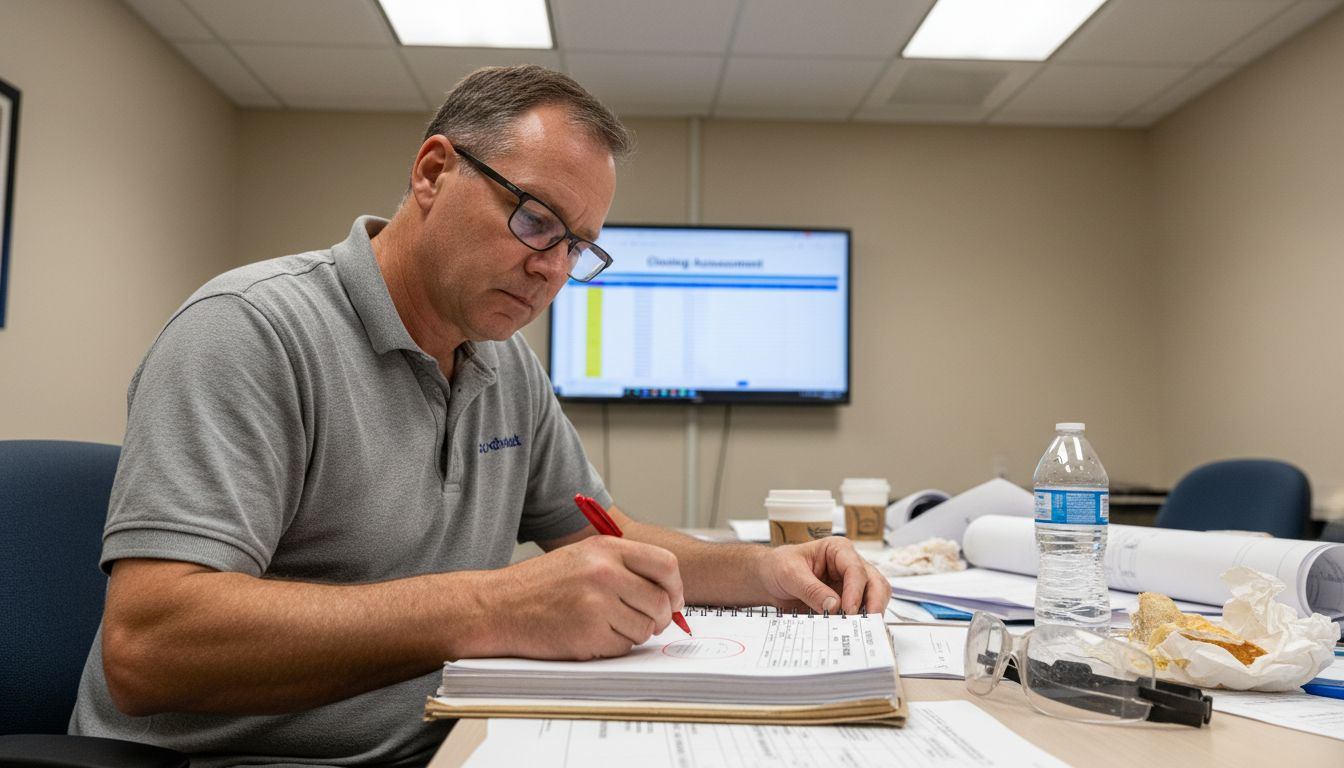
What makes these reports critical for closing is their legal function. They create a documented baseline of the property’s condition at a specific moment in time. If structural problems develop after closing, you can reference the pre-closing inspection report to establish what was known and accepted at transfer. For lenders, the structural assessment provides confidence that the collateral (your property) is sound. Many lenders require inspections before funding, particularly for residential properties with foundation concerns or commercial properties with significant deferred maintenance. In Texas jurisdictions, if prior work was performed without permits or inspections, the engineer’s report can identify whether that work meets current codes or if corrections are necessary before closing. For foundation issues specifically—a common problem in Houston due to soil conditions—the engineer will evaluate whether the foundation shows signs of movement, whether repairs are needed, and what ongoing monitoring or maintenance might be required. This becomes part of the closing conditions. Some transactions include engineer-approved repairs that must be completed before the buyer takes possession.
The scope of the structural assessment depends on the property type and transaction requirements. A residential home inspection might focus on foundation condition, roof integrity, and visible structural damage. A commercial property assessment typically includes mechanical systems, electrical loads, fire safety systems, and structural compliance with occupancy classifications. An older property might require a more detailed assessment to identify deferred maintenance and code violations. A property with a history of water damage or foundation repair might need specialized investigation into whether previous repairs are holding or if new movement is occurring. Whatever the scope, the engineer approaches the inspection with clear documentation standards. They photograph conditions, measure defects, and cross-reference findings with local building codes and engineering standards. The resulting report serves multiple stakeholders: the buyer gains confidence about what they’re purchasing, the lender gets assurance about collateral value, and both parties have a clear record of pre-closing conditions.
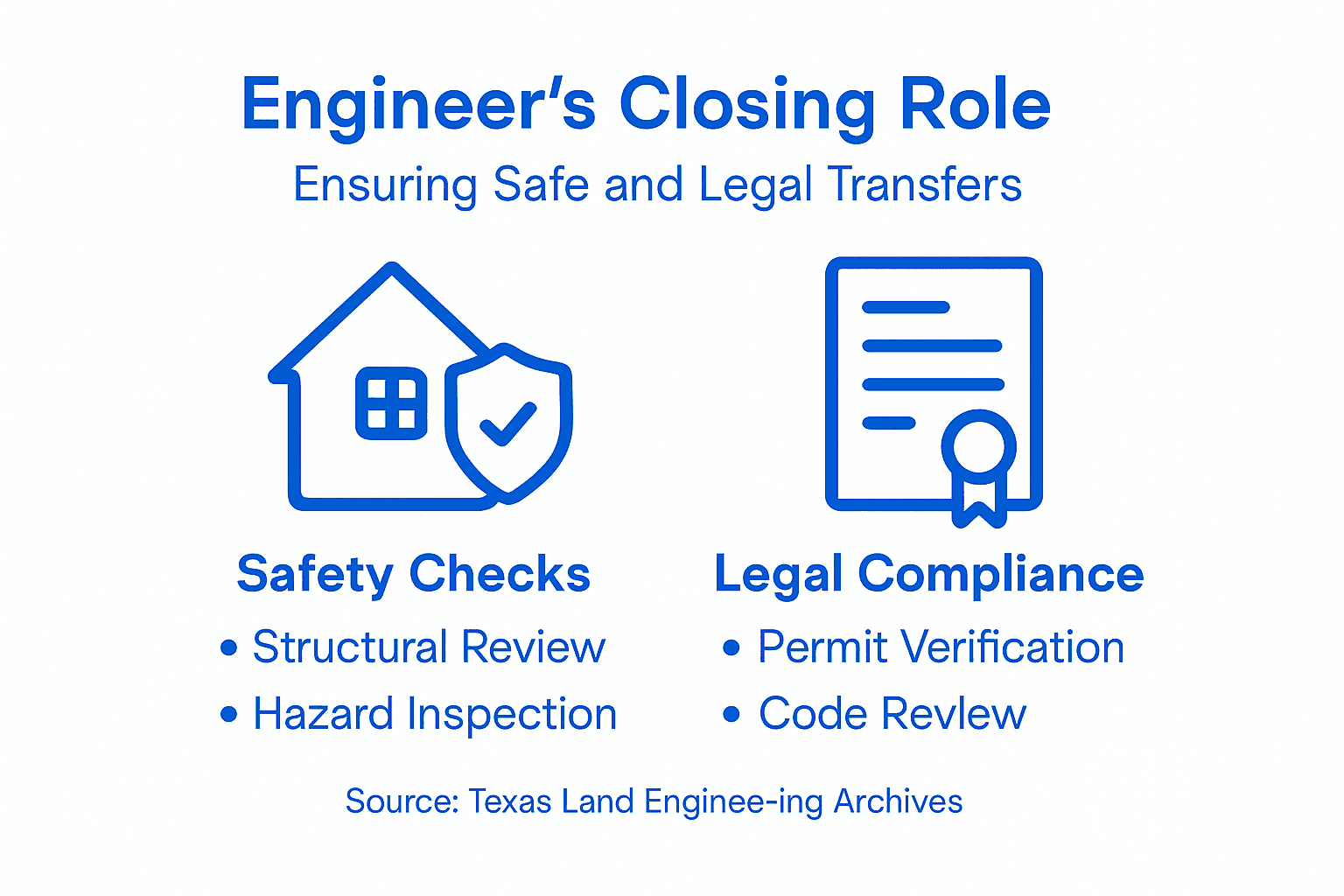
Pro tip: Ask your engineer to include specific repair recommendations and estimated costs in the closing report so you can prioritize which issues require immediate attention after purchase and which can be addressed in future maintenance budgets.
Verifying Code Compliance and Safety Standards
Code compliance isn’t a suggestion at closing. It’s a legal requirement that protects you, your lender, and future buyers if you ever resell. When an engineer verifies code compliance during the closing process, they’re essentially confirming that the property meets the minimum standards established by local jurisdictions and recognized safety organizations. In Texas, this means checking against the International Building Code, which has been adopted by most Texas municipalities. It means verifying that electrical systems meet current standards, that fire safety systems function properly, and that structural modifications comply with what was permitted and inspected. The engineer cross-references what exists on the property against what the building codes require, identifies any violations, and determines whether those violations pose immediate safety risks or can be remedied within a reasonable timeframe. Building safety codes and standards ensure that structures are designed and maintained to protect occupants and property from hazards.
Where most property owners stumble is understanding that “grandfathering” in old properties doesn’t mean the property can ignore modern safety standards indefinitely. A house built in 1960 in Austin doesn’t get a permanent pass on current electrical codes just because it’s old. What it means is that the existing systems don’t need to be retroactively upgraded unless the property undergoes renovation or if the systems pose an active safety hazard. However, at closing, an engineer will verify whether any recent work was done with proper permits and inspections. If someone added a second story, finished a basement, or ran new electrical circuits without getting permits, that’s a code violation. The engineer identifies it. Sometimes the seller agrees to remediate before closing. Sometimes the buyer accepts the property as is and takes responsibility for correcting violations. Sometimes the deal terminates because the violations are too severe or expensive to fix. But what doesn’t happen is closing without documentation of what code issues exist. Fire protection and safety standards from the National Fire Protection Association apply to many building systems and occupancy types, particularly in commercial properties and multifamily residential buildings.
For commercial properties in Houston and Austin, code compliance verification becomes even more complex. A building’s occupancy classification directly affects what codes apply. An office building has different requirements than a warehouse, which has different requirements than a restaurant. If someone has modified the building’s use without updating the classification, fire suppression systems might be inadequate, emergency egress routes might not meet current standards, or mechanical systems might be undersized. An engineer conducting a closing inspection will verify that the occupancy classification matches the actual use and that all systems comply with codes for that classification. This is critical because your insurance company will rely on this information, and if there’s a discrepancy, you could face denied claims or massive remediation costs. The engineer also verifies that any accessibility features required under the Americans with Disabilities Act are present and functioning. For buildings with elevators, they confirm that elevator maintenance is current and certifications are valid. For properties with hazardous materials, they verify proper handling and disclosure.
The verification process itself follows a systematic approach. The engineer reviews permits and inspection records for the property, looking for documentation of past work. They physically inspect systems and components, taking measurements and photographs. They cross-reference findings against adopted building codes and standards. They compile a report that documents compliance status for each major system. This isn’t pass or fail. It’s more nuanced. A system might be compliant but aging and approaching the end of its serviceable life. It might have minor violations that don’t pose immediate safety risks but should be corrected within a year. It might have active violations that require immediate remediation before occupancy. The engineer clearly distinguishes between these categories in the closing report. Some violations are deal-stoppers. A fire exit blocked by storage violates code and poses immediate danger. Some violations are manageable. Outdated light fixtures in a warehouse might not meet current efficiency standards but aren’t safety issues. Understanding the severity helps you and your lender make informed decisions about whether to proceed, renegotiate, or walk away.
Pro tip: Request a prioritized list from your engineer that separates code violations into three categories: immediate safety hazards requiring remediation before closing, deficiencies to address within twelve months, and system upgrades recommended for future improvement.
Addressing Liabilities and Required Documentation
When an engineer signs a closing report, they’re accepting professional responsibility for that document. This is where liability enters the picture. Your engineer’s signature on an inspection report or certification means they’ve verified conditions to the best of their professional ability using accepted engineering standards. If that report later becomes the basis for a dispute, the engineer may be called to defend their findings or face legal action. This reality shapes how engineers approach their closing work. They maintain meticulous documentation of everything they observe, photograph, and measure. They clearly distinguish between what they directly observed and what they were told by others. They note the limitations of their inspection, such as areas they couldn’t access or conditions obscured by weather or obstructions. They document the scope of work they were asked to perform. All of this protects the engineer from liability claims, but it also protects you as the property owner by creating an objective record of pre-closing conditions. Limitation of liability clauses help manage legal risks for engineers involved in real estate transactions by capping their financial exposure from inspection reports and closing documentation.
Understanding what documentation you’ll receive at closing helps you know what to expect and what questions to ask. Your engineer should provide a comprehensive written report that includes photographs, measurements, descriptions of observed conditions, and professional conclusions about safety and code compliance. The report should clearly state the scope of the inspection, the date and time it was conducted, weather conditions if relevant, and any areas that couldn’t be inspected due to access limitations. For structural components, the report includes measurements of cracks, settlement indicators, water damage, and pest damage with professional interpretation of what these findings mean. For mechanical systems, it documents age, condition, maintenance history if available, and functionality testing results. For code compliance, it cross-references findings against applicable building codes and identifies violations with severity ratings. The report should include a summary section that prioritizes issues by urgency. This isn’t just a list of problems. It’s organized information that helps you, your lender, and the seller understand what needs immediate attention and what can be addressed later.
Below is a summary of common report features found in engineering documentation for closing:
| Report Feature | Description | Benefit to Buyer |
|---|---|---|
| Photographs | Visual evidence of conditions | Clarifies issues, supports claims |
| Measurements | Quantitative defect analysis | Helps estimate repair scope |
| Code Compliance | Cross-references standards | Reduces legal and financial risks |
| Professional Conclusions | Safety and condition summary | Informs decisions and negotiations |
The documentation also addresses title and ownership clarity. Before closing, the title must be clear of liens, encumbrances, and claims that would cloud ownership transfer. While an engineer doesn’t handle title work, they may need to understand title issues that affect the property. For example, if previous repairs to address foundation issues were never properly permitted, that’s a title concern and a code compliance issue. If there’s an easement across the property for utilities, that affects how the property can be developed. Your engineer’s closing documentation should flag any conditions that might relate to title clarity or ownership rights. This coordination between engineering, legal, and title work ensures that nothing slips through the cracks. The engineer’s documentation becomes part of the closing file that stays with the property transaction for future reference. If you refinance, sell, or face an insurance dispute later, that original closing report provides evidence of what was known and agreed to at the time of transfer.
What many property buyers don’t realize is that the engineer’s closing documentation protects them legally after closing completes. If you discover a foundation problem six months after taking ownership, your lender will want to know whether the engineer’s pre-closing report mentioned any foundation concerns. If the report clearly documented that the foundation showed signs of movement and recommended professional evaluation, you have documentation that this was a known condition. If the report stated the foundation appeared sound, you have documentation that supports a potential claim against the seller or inspector for non-disclosure. The engineer’s liability for their report extends into the future, which is why they’re so careful about accuracy and clarity. They document what they see, not what they hope or assume. They use precise language. They avoid hedging statements that create ambiguity. They include photographs showing exactly what they’re describing. For Texas properties with foundation issues related to expansive soils, flood damage, or settlement, this documentation becomes especially valuable because these are ongoing concerns that may require future monitoring or remediation. The closing report establishes the baseline condition, which helps distinguish between pre-existing conditions and new problems that develop after you own the property.
Pro tip: Request that your engineer provide their closing report in both a detailed technical version and a summary version written for non-engineers, so you can review findings yourself and easily share them with your lender or attorney.
Preventing Delays and Ensuring Proper Handover
Closing delays cost money. Every day your closing is postponed is a day you’re either paying bridge loan interest, holding two mortgages, or losing possession of a property you’ve already committed to buying. Engineers play a critical role in preventing these delays by completing their work on schedule and providing documentation when promised. The key is coordination. Your engineer needs to know the closing date well in advance, understands what inspections and reports are required, and has a clear timeline for completing them. Most engineers aim to have reports ready at least five business days before closing, giving you time to review findings, discuss them with your attorney or lender, and address any issues before you sit down at the closing table. If problems emerge during the inspection that require remediation, having extra time means you can negotiate solutions instead of rushing into a closing that doesn’t resolve critical issues. Effective closing preparation requires clear scheduling, confirmation of participant availability, and comprehensive checklists to prevent delays and ensure smooth property transfer.
The engineer’s inspection schedule must align with what the property actually requires. For a standard residential inspection in Austin or Houston, a licensed engineer typically needs four to six hours to thoroughly examine a single family home. For a commercial property, the timeline expands significantly depending on building size and system complexity. A small office building might require two days. A large industrial property might need a full week. Your engineer will tell you upfront how long the inspection takes and when they can complete the work. This isn’t negotiable based on your preferences. Rushing an inspection to meet an arbitrary deadline creates problems. The engineer might miss critical issues. They might cut corners on documentation. They might later face liability claims if their rushed work fails to identify conditions they should have found. So scheduling is critical. If your closing is scheduled for a specific date and your engineer can’t complete their work in time, you need to know this weeks in advance, not days before closing. This gives you options: postpone closing, use a preliminary report with final documentation to follow, or arrange for the engineer to provide interim findings while completing detailed analysis.
Coordination with other closing professionals prevents cascading delays. Your engineer needs to communicate with your attorney about what code violations or safety issues require resolution before closing. Your lender needs to receive the engineer’s report in time to review it and either approve the loan or request additional information. The title company needs to understand whether the engineer’s findings affect title clarity. Your real estate agent needs to know whether the inspection findings will likely trigger renegotiation or could derail the deal. When all these parties have the engineer’s report simultaneously and have time to review it, the closing process moves forward. When the engineer’s report arrives on the day before closing and reveals major problems, suddenly everyone is scrambling. The buyer might walk away. The seller might refuse to negotiate. The lender might delay funding. The closing gets postponed. All because the engineer’s work wasn’t coordinated with the broader transaction timeline. Effective handover management requires clear contractual definitions regarding asset quality, assessment procedures, and timelines to facilitate smooth transfer and prevent delays.
What successful closings have in common is that all parties know what to expect and when. Your engineer should provide a preliminary inspection checklist or scope document before beginning work so everyone understands what systems and components will be evaluated. After the inspection, they should provide a summary email to you, your attorney, and your lender indicating when the full report will be ready. If issues are discovered that might affect the closing timeline, the engineer communicates these immediately rather than waiting for the final report. If the inspection reveals something that requires immediate attention or additional investigation, the engineer lets you know right away so you can make decisions about how to proceed. This transparency prevents last minute surprises. For commercial properties or properties with known issues, some buyers and sellers use a two stage approach. The engineer completes an initial inspection and provides a preliminary assessment before the closing date. This allows time for negotiation and remediation. Then they conduct a final walk through immediately before closing to verify that agreed upon repairs were completed. This staged approach prevents the common scenario where closing is scheduled, the engineer’s report reveals major problems, and everyone has to scramble to renegotiate or postpone.
Pro tip: Provide your engineer with a detailed timeline at least two weeks before your desired closing date, including the closing date, any occupancy or possession requirements, and key milestones for report delivery and remediation work.
Ensure a Smooth and Secure Property Closing with Expert Engineering Support
Closing on a property in Texas demands more than just paperwork. You need reliable structural assessments, compliance verifications, and detailed inspection reports to avoid costly surprises after the deal is done. Whether you are buying a residential home or a commercial building, the challenges of foundation issues, code violations, and safety hazards can create risks that are best addressed before closing. Our team at Texas Licensed Engineers specializes in precisely these areas, offering thorough inspections and engineering solutions tailored to Houston, Austin, Dallas, San Antonio, and all Texas communities.

Don’t leave your property closing to chance. Access our comprehensive expertise today through the TLE Archives – Texas Licensed Engineers | Residential & Commercial to see how we protect your investment with detailed reports and professional certifications. Make informed decisions and avoid delays by partnering with experienced engineers who understand local codes, structural integrity, and legal compliance. Visit Texas Licensed Engineers now to schedule your inspection and secure a safe, legal transfer of ownership.
Frequently Asked Questions
What is the role of an engineer at closing?
Engineers play a critical role at closing by conducting structural inspections, generating reports to verify safety and compliance, and identifying any potential issues with the property that may affect the transaction.
Why is a structural assessment needed before closing?
A structural assessment is needed to ensure that the property is sound and safe to occupy. It identifies any hidden problems such as cracks, water damage, or code violations that could lead to significant liabilities for the buyer.
How does an engineer help in negotiating the purchase of a property?
An engineer’s inspection report can provide key information about repairs needed or discrepancies between the property’s condition and the seller’s disclosures. This can be used as leverage in negotiations to adjust the purchase price or require repairs before closing.
What documentation does an engineer provide at closing?
An engineer typically provides a detailed inspection report that includes photographs, measurements, assessments of safety and code compliance, and recommendations for necessary repairs. This documentation serves as a record of the property’s condition at the time of closing.
Recommended
- Role of Engineers in Texas Projects: Ensuring Safety and Compliance – Texas Licensed Engineers | Residential & Commercial
- Role of Engineers in Building Codes Compliance – Florida Licensed Engineers
- Role of Engineers in Building Codes Compliance – Florida Licensed Engineers
- Role of Engineers in Permitting – Streamlining Florida Projects – Florida Licensed Engineers
