
Foundation Design in Texas – Protecting Homes Long-Term
Selecting the right foundation in Texas can make or break a property’s longevity. With Houston and Austin’s shifting clay soils and frequent climate fluctuations, a generic concrete slab just won’t cut it. Expert foundation design actually hinges on understanding how building loads transfer through unique local soils, as detailed in engineering research. Homeowners and developers will discover how customized foundation solutions safeguard structures against the region’s most common and costly risks.
Table of Contents
- Foundation Design Basics And Common Misconceptions
- Unique Soil And Climate Challenges In Texas
- Comparing Foundation Types For Texas Homes
- Critical Steps In Professional Foundation Design
- Risks Of Poor Foundation Choices And Cost Impacts
- Legal Standards And Code Compliance In Texas
Key Takeaways
| Point | Details |
|---|---|
| Foundation Design is Critical | Understanding local soil types and their behaviors is essential for effective foundation design in Texas. |
| Customized Solutions are Necessary | One size does not fit all; each property requires a tailored foundation strategy based on specific soil and environmental conditions. |
| Professional Assessments are Essential | Engaging geotechnical professionals for soil analysis can prevent costly foundation failures and ensure structural integrity. |
| Compliance with Regulations is Mandatory | Adhering to Texas-specific building codes and safety standards is crucial for legal and structural safety compliance. |
Foundation Design Basics and Common Misconceptions
Foundation design in Texas requires deep understanding of structural engineering principles and local soil conditions. Homeowners and developers must recognize that foundations are not simply concrete slabs, but complex systems designed to transfer building loads safely into the ground. Foundational load transfer principles involve intricate interactions between structural elements and soil mechanics.
Common misconceptions about foundation design can lead to significant structural vulnerabilities. Many people assume all foundations are identical, but Texas soil diversity means each property requires a customized approach. Clay soils, prevalent in regions like Houston and Austin, expand and contract dramatically with moisture changes, creating unique challenges. Shallow foundations work differently from deep foundations, and selecting the wrong type can result in substantial long-term damage.
Understanding foundation load distribution involves recognizing how structural forces move through different materials. Structural safety principles demonstrate that foundations must handle both vertical and lateral loads effectively. This means accounting for static weight, potential seismic activity, and environmental stress factors specific to Texas geographical regions.
Pro Tip: Always conduct a professional soil analysis before designing or installing a foundation, as local ground conditions can dramatically impact structural integrity.
Unique Soil and Climate Challenges in Texas
Texas presents an extraordinary challenge for foundation design due to its extraordinarily complex and variable soil compositions. Comprehensive soil testing reveals that the state’s geological landscape ranges from expansive clay soils in central regions to sandy coastal areas and rocky terrains in the west. These dramatic variations mean that foundation engineers must develop highly customized strategies for each specific location.
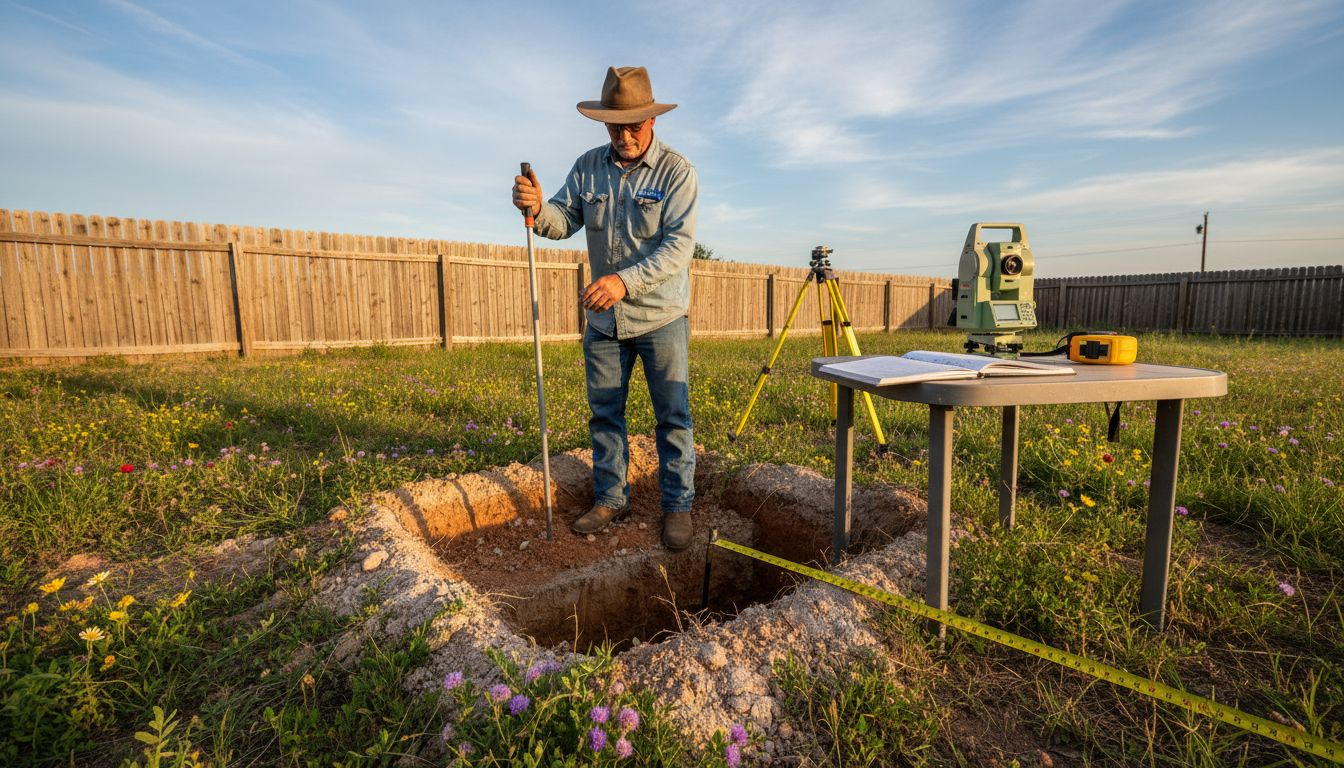
The state’s climate introduces additional complexity to foundation design. Extreme temperature fluctuations and inconsistent precipitation patterns create significant stress on building foundations. In regions like Houston and Dallas, clay soils undergo dramatic volume changes – expanding during wet seasons and contracting during drought conditions. This constant movement can cause significant structural strain, leading to potential foundation cracking, shifting, and settlement issues that compromise building integrity.
Suburban development and land use changes further complicate foundation engineering challenges. Texas rangeland transformations highlight how rapid environmental shifts impact soil stability and structural design requirements. Engineers must now account for not just natural geological conditions, but also human-induced changes in land use that can alter ground conditions, drainage patterns, and soil mechanics.
Pro Tip: Invest in a professional geotechnical survey specific to your exact property location, as even neighboring sites can have dramatically different soil characteristics that impact foundation design.
Here’s a summary of how Texas soil regions affect foundation design decisions:
| Soil Type | Key Characteristics | Design Challenges | Recommended Foundation Approach |
|---|---|---|---|
| Expansive Clay | Swelling and shrinking | Cracking, shifting, settlement | Slab-on-grade or elevated systems |
| Sandy Loam | Quick drainage, loose | Poor load support, erosion | Deep piers or reinforced slabs |
| Rocky Terrain | High stability, low moisture | Excavation difficulty, hard bedding | Specialized drilled piers or beams |
| Coastal Sand | High moisture movement | Instability, corrosion risk | Pier and beam with moisture barriers |
Comparing Foundation Types for Texas Homes
Foundation selection in Texas demands careful consideration of multiple critical factors, including soil conditions, climate variability, and structural requirements. Foundation design strategies reveal four primary foundation types commonly used in residential construction: slab-on-grade, pier and beam, basement, and crawl space foundations. Each type offers unique advantages and challenges specific to Texas’s diverse geological landscape.
Slab-on-grade foundations remain the most prevalent in Texas, particularly in regions with expansive clay soils. These monolithic concrete slabs provide direct support by spreading building loads across a flat surface, minimizing potential settlement issues. Pier and beam foundations offer alternative solutions for areas with challenging soil conditions, elevating the structure and creating additional ventilation space underneath. This design proves especially beneficial in regions prone to moisture fluctuations and soil movement.
Foundation engineering handbook insights demonstrate that selecting the right foundation involves analyzing load-bearing capacity, settlement prevention, and long-term structural integrity. Basement foundations, while less common in Texas due to high water tables and clay soils, can provide additional living space in specific geological contexts. Crawl space foundations offer a middle ground, providing limited underneath access while maintaining elevation and potential moisture management.
Pro Tip: Consult a professional geotechnical engineer who can perform comprehensive soil testing specific to your exact property location before making any foundation design decisions.
The following table compares residential foundation types used in Texas:
| Foundation Type | Best For | Typical Maintenance Needs | Limiting Factors in Texas |
|---|---|---|---|
| Slab-on-Grade | Flat, clay-heavy lots | Minimal if stable; prone to crack repair | Unsuitable for flood-prone areas |
| Pier and Beam | Moisture-variable regions | Crawl space vent, periodic beam checks | Higher cost, wood rot potential |
| Basement | Rocky, low water table sites | Sump pump, waterproofing | Rare due to high water tables |
| Crawl Space | Moderate moisture control zones | Pest control, insulation upgrades | Can allow mold or moisture buildup |
Critical Steps in Professional Foundation Design
Professional foundation design is a meticulously structured process that demands precision and comprehensive analysis. Foundation engineering principles outline a systematic approach beginning with thorough site investigation. This critical first step involves comprehensive soil testing, analyzing geological conditions, understanding groundwater levels, and assessing potential environmental stressors specific to the Texas landscape.
The design process requires detailed geotechnical analysis to determine soil bearing capacity, potential settlement risks, and appropriate foundation strategies. Engineers must calculate precise load distributions, accounting for both static building weights and dynamic environmental forces. This involves creating detailed structural calculations that predict how foundations will interact with complex soil compositions, particularly challenging in regions with expansive clay soils common throughout Texas.
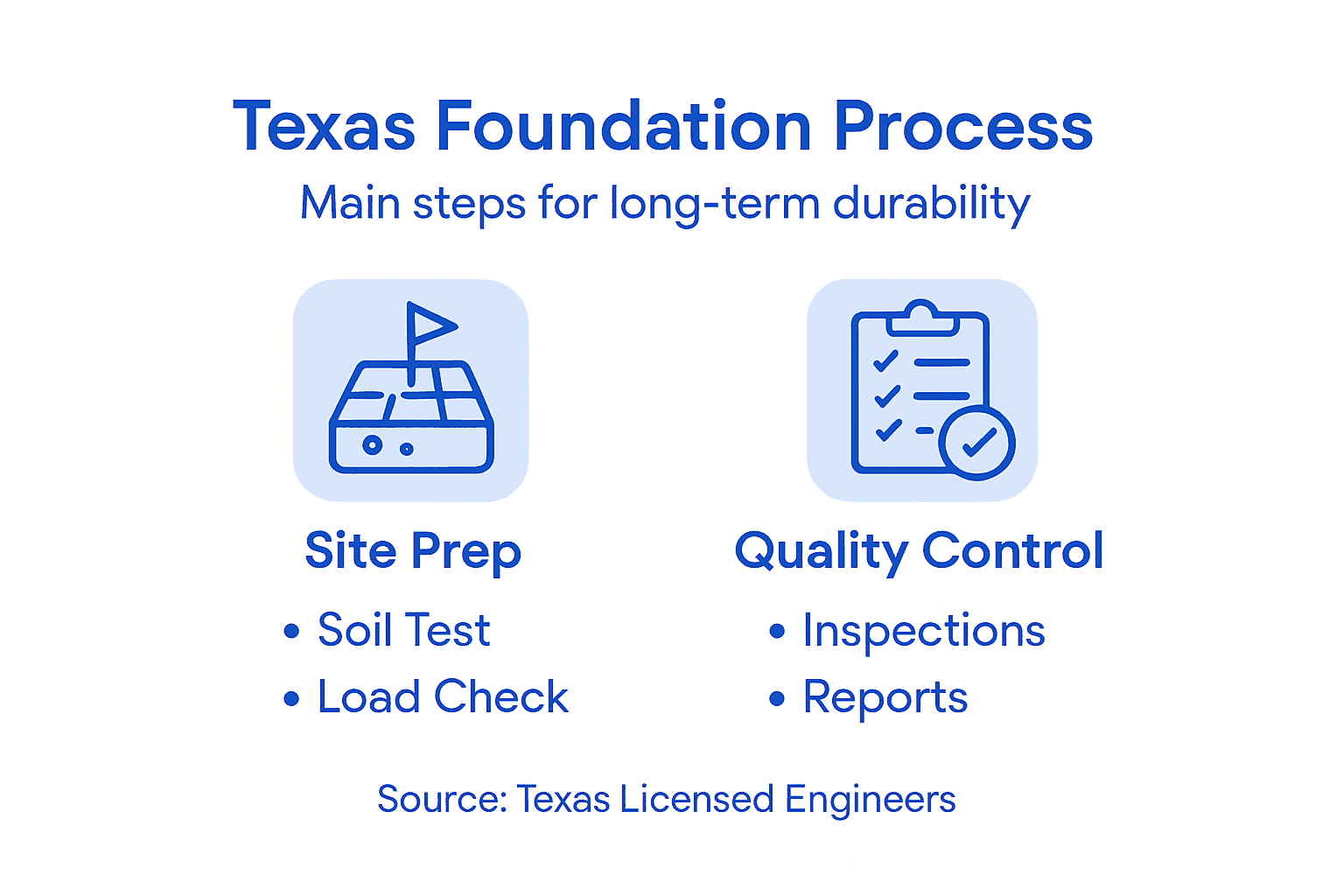
Foundation design handbook insights emphasize the importance of quality control during construction. This means continuous monitoring during foundation installation, conducting field tests to verify design assumptions, and ensuring strict adherence to engineering specifications. Critical parameters include verifying concrete mixing ratios, monitoring compaction processes, and implementing rigorous structural integrity checks throughout the construction phase.
Pro Tip: Request comprehensive documentation of soil tests, engineering calculations, and construction oversight reports to ensure your foundation meets professional engineering standards.
Risks of Poor Foundation Choices and Cost Impacts
Foundation failures represent a significant financial and structural risk for Texas homeowners, with potential consequences far beyond initial construction expenses. Foundation engineering handbook research reveals that improper foundation selection can lead to catastrophic structural damage, potentially reducing property values by up to 30% and generating repair costs that can exceed several hundred thousand dollars.
Texas homeowners face unique challenges due to the state’s complex geological conditions. Expansive clay soils create unpredictable foundation movement, causing structural stress that can manifest as cracked walls, uneven floors, and compromised building integrity. These issues often emerge gradually, making early detection critical. Inadequate foundation design can result in progressive damage that compounds repair expenses exponentially, with minor settlement problems potentially escalating into major structural reconstructions.
Construction cost estimation analyses demonstrate that foundation failures generate substantial indirect costs beyond immediate repair expenses. These include potential temporary relocation expenses, decreased property marketability, increased insurance premiums, and potential legal complications. Professional engineers estimate that proactive foundation design can reduce long-term maintenance costs by up to 60%, making initial investment in comprehensive geotechnical analysis and precise engineering fundamentally sound financial strategy.
Pro Tip: Schedule professional foundation inspections every three to five years to catch potential issues early and prevent exponentially more expensive structural repairs.
Legal Standards and Code Compliance in Texas
Foundation design in Texas is governed by a complex network of state and local regulatory requirements that mandate strict engineering standards to ensure structural safety and environmental compatibility. Technical design standards establish comprehensive guidelines that engineers must follow, covering everything from soil testing protocols to specific foundation construction methodologies specific to Texas geological conditions.
The Texas Department of Licensing and Regulation plays a critical role in establishing mandatory compliance frameworks. Accessibility standards not only address structural integrity but also ensure that foundation designs meet broader public safety and accessibility requirements. These regulations encompass detailed specifications about load-bearing capacities, soil interaction, drainage considerations, and structural resilience against Texas’s unique environmental challenges.
Compliance involves navigating multiple layers of regulatory oversight, including local municipal building codes, state-level engineering standards, and federal construction guidelines. Engineers must demonstrate precise documentation proving that foundation designs meet or exceed minimum safety thresholds. This includes detailed geotechnical reports, comprehensive load calculations, soil analysis documentation, and explicit engineering certifications that validate the structural soundness of proposed foundation systems.
Pro Tip: Always request a comprehensive compliance certification from your engineering team that explicitly details how the proposed foundation design meets all relevant Texas regulatory standards.
Secure Your Texas Home with Expert Foundation Solutions
Understanding the unique challenges of foundation design in Texas is essential to protecting your property from costly damage caused by expansive clay soils and climate stresses. This article highlights critical concerns like soil variability, foundation load distribution, and the need for professional geotechnical analysis. If you are worried about cracking, shifting, or settlement issues compromising your home’s structural integrity, let certified engineers help you get peace of mind.
Discover trusted and comprehensive services at Texas Licensed Engineers specializing in residential and commercial foundation inspections, construction plans, engineering calculations, and forensic investigations. Our team is well-versed in Texas-specific standards and ready to guide you through proper foundation design to ensure long-term durability.

Don’t risk your investment with guesswork or inadequate solutions. Explore our expert insights and solutions in the TLE Archives – Texas Licensed Engineers | Residential & Commercial and take the first step toward professional foundation assessment and design. Visit us today at https://texaslicensedengineers.com to schedule your consultation and secure the foundation your Texas home deserves.
Frequently Asked Questions
What are the common misconceptions about foundation design?
Many people mistakenly believe that all foundations are the same. However, due to varying soil conditions, each property requires a customized foundation approach to ensure structural integrity.
Why is soil analysis important before foundation installation?
A professional soil analysis is crucial as local ground conditions can dramatically impact the type of foundation needed, affecting the long-term stability and durability of the structure.
How do different soil types affect foundation choices?
Different soil types present unique challenges. For example, expansive clay swells and contracts with moisture changes, which can lead to foundation issues, while sandy loam allows for quick drainage but may lack load support. Customizing foundation design based on soil type is essential.
What are the risks of poor foundation choices?
Improper foundation selection can result in significant structural damage, leading to reduced property values and costly repairs. Issues like cracking walls and uneven floors often arise from inadequate foundation design, emphasizing the need for professional engineering.
Recommended
- 7 Residential Engineering Benefits Every Texas Homeowner Needs – Texas Licensed Engineers | Residential & Commercial
- 7 Essential Structural Engineering Tips for Texas Projects – Texas Licensed Engineers | Residential & Commercial
- Defining Structural Analysis: Impact for Texas Homes – Texas Licensed Engineers | Residential & Commercial
- Why Foundation Inspections Matter for Texas Homes – Texas Licensed Engineers | Residential & Commercial
