
How to Order Structural Inspection for Texas Homes
Even the most stunning American homes in Houston and Austin can hide costly structural surprises. For buyers and sellers, proper inspection is more than just a checklist—it is a safeguard against unexpected repairs and lost deals. With over 60 percent of Texas realtors advising structural assessments before closing, understanding the inspection process is vital for anyone aiming for a safe, compliant property transaction. Discover exactly what steps to take to protect your investment and peace of mind.
Table of Contents
- Step 1: Gather Property Details and Documents
- Step 2: Research Licensed Texas Engineering Firms
- Step 3: Request an Inspection Quote and Timeline
- Step 4: Confirm Inspection Scope and Schedule
- Step 5: Review Inspection Report and Next Steps
Quick Summary
| Key Takeaway | Explanation |
|---|---|
| 1. Gather essential property documents | Assemble previous inspection reports, blueprints, and maintenance records for a thorough inspection preparation. |
| 2. Research qualified engineering firms | Verify credentials, experience, and client testimonials to choose a licensed Texas engineering firm for your inspection. |
| 3. Request detailed quotes | Obtain formal estimates from multiple firms outlining costs, duration, and specific inspection services offered. |
| 4. Confirm inspection scope | Ensure clear communication regarding what will be examined and the schedule to avoid misunderstandings during the inspection. |
| 5. Review inspection findings carefully | Analyze the inspection report to prioritize repairs, understand issues, and consult with professionals as needed. |
Step 1: Gather Property Details and Documents
Organizing property documentation is crucial before scheduling a structural inspection in Texas. You’ll want to collect and prepare all relevant paperwork that helps inspectors understand your property’s history and current condition.
Start by assembling key documents such as previous inspection reports, construction plans, and any maintenance records. The Texas Department of Housing and Community Affairs recommends homeowners compile comprehensive documentation to streamline the inspection process. Focus on gathering original blueprints, floor plans, foundation records, permit documents, and any historical renovation paperwork. If you purchased the home recently, request these documents from the previous owner or real estate agent. Pay special attention to records showing foundation work, structural modifications, or repairs from previous damage.
Typically, you’ll need to organize documents chronologically and ensure they are clean, readable copies. Professional inspectors appreciate well-prepared documentation that provides context about the property’s structural history. Digital scans can be helpful, but keep original physical copies as backup.
Pro tip: Create a dedicated folder or digital file specifically for your property inspection documents to keep everything organized and easily accessible.
Step 2: Research Licensed Texas Engineering Firms
Researching qualified engineering firms is a critical step in ensuring a thorough and professional structural inspection for your Texas home. Your goal is to identify reputable licensed professionals who specialize in residential structural assessments.
Start by verifying professional credentials through the Texas Board of Professional Engineers. Look for firms with specific experience in residential structural inspections, paying close attention to their licensing status and years of specialized experience. Choosing the right Texas engineering firm involves more than just checking credentials. Review their portfolio of past residential projects, read client testimonials, and confirm they have extensive experience with Texas home structural assessments. Check online review platforms, professional association websites, and ask for references from recent residential clients.
Consider scheduling initial consultations with two or three engineering firms to discuss your specific inspection needs. During these conversations, ask about their inspection methodologies, typical turnaround times, and detailed reporting processes. Compare their approaches, pricing structures, and professional demeanor to make an informed decision.
Pro tip: Request sample inspection reports from potential firms to understand the depth and clarity of their documentation before making a final selection.
Here’s a summary of what to consider when choosing a Texas engineering firm for a structural inspection:
| Criterion | Why It Matters | What to Look For |
|---|---|---|
| Licensing Status | Ensures legal compliance | Active Texas engineering license |
| Residential Experience | Relevant project knowledge | Experience with homes and repairs |
| Client References | Verifies quality and reputation | Positive testimonials, recent cases |
| Reporting Clarity | Easy-to-understand findings | Detailed, user-friendly reports |
| Communication Style | Smooth scheduling and follow-up | Responsive, clear explanations |
Step 3: Request an Inspection Quote and Timeline
Obtaining a comprehensive quote and detailed timeline for your structural inspection is a critical step in planning your home assessment. This process helps you understand the scope of work and set realistic expectations for the inspection.
Reach out to the selected engineering firms and request a formal written quote that breaks down all potential costs and services. Key residential inspection steps typically include a thorough breakdown of inspection methodology, estimated duration, and potential additional costs. When requesting quotes, provide specific details about your property including square footage, age of the home, type of foundation, and any known structural concerns. Most professional engineering firms will offer a detailed estimate after an initial consultation or property assessment.
During your quote request, ask specific questions about the inspection process. Inquire about the typical turnaround time for the full inspection report, the number of inspectors who will be on site, and what specific areas they will examine. Compare quotes from multiple firms, but do not make your decision based solely on price. Consider the firm’s expertise, reputation, and the comprehensiveness of their proposed inspection.
Pro tip: Request a sample inspection report from potential firms to understand the depth and quality of documentation you can expect.
Step 4: Confirm Inspection Scope and Schedule
Confirming the detailed scope and exact schedule of your structural inspection ensures you understand precisely what will be examined and when. This critical step helps align expectations between you and the engineering firm and prevents potential miscommunications.
Detailed structural inspection checklists typically outline specific areas that will be systematically evaluated. During your scheduling conversation, request a comprehensive breakdown of the inspection process. Ask about the exact components they will examine including foundation integrity, framing stability, potential structural weaknesses, and any specific areas of concern you have identified. Confirm the estimated duration of the inspection, the number of inspectors who will be present, and whether they require any specific property access or preparation from you beforehand.
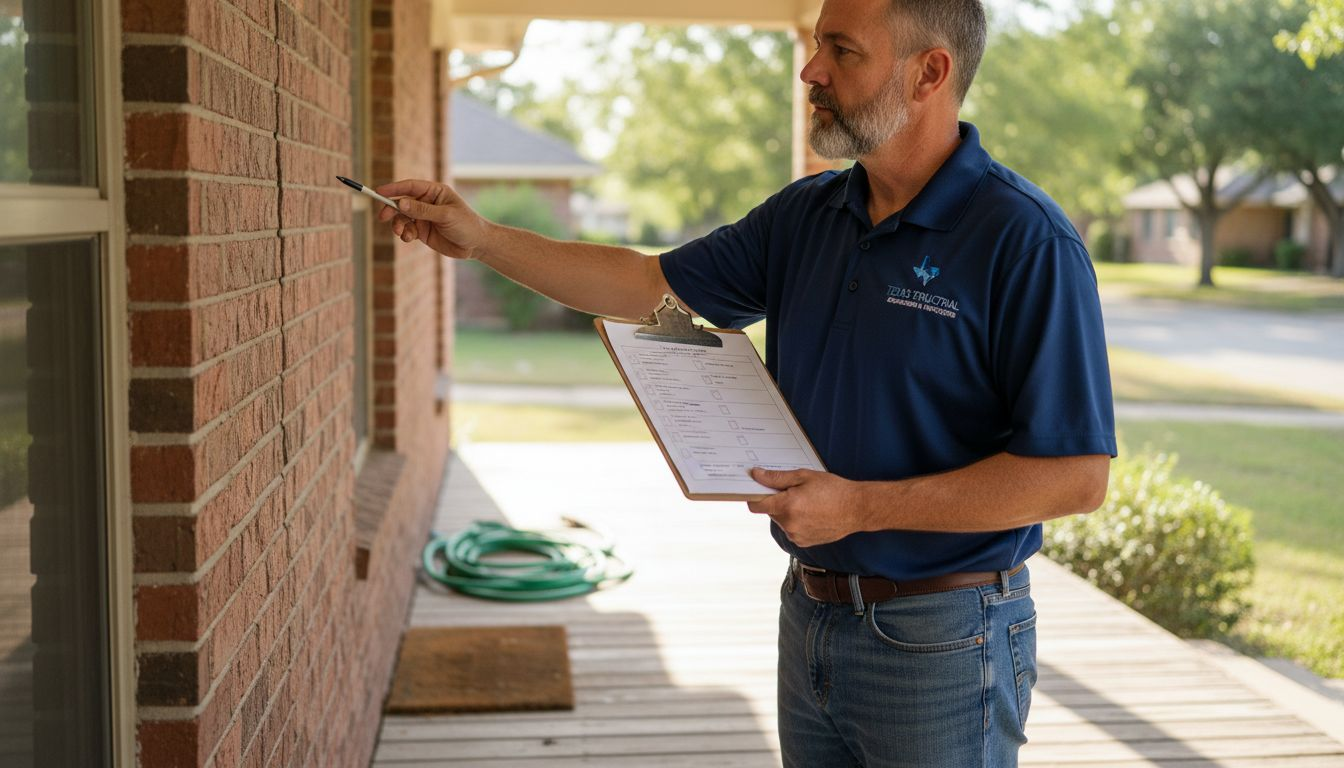
Work with the engineering firm to find a mutually convenient time that allows full access to all areas of your property. Discuss any potential scheduling constraints you might have and be prepared to provide details about the property that could impact the inspection timeline. Ensure you receive a written confirmation of the inspection scope and schedule that outlines all agreed upon details.
Pro tip: Create a digital or physical folder to store all communication and documentation related to the upcoming structural inspection.
Step 5: Review Inspection Report and Next Steps
Reviewing your structural inspection report carefully allows you to understand the current condition of your property and plan any necessary repairs or maintenance. This critical step transforms the technical findings into actionable insights for protecting your home.

According to the Texas Department of Housing and Community Affairs, homeowners should meticulously examine the inspection report to identify deficiencies, compliance issues, and recommended actions. Pay close attention to the severity of any structural problems identified. Categorize findings into immediate safety concerns that require urgent attention, potential issues that need monitoring, and cosmetic or minor structural recommendations. Look for detailed explanations about foundation conditions, framing integrity, potential moisture damage, and any signs of structural stress.
Consult with the engineering firm to fully understand the technical language in the report. Request clarification on any complex technical terms or recommendations. If significant issues are discovered, consider scheduling a follow up consultation or getting additional specialized assessments. Develop a prioritized action plan that addresses the most critical findings first, focusing on repairs that impact your home’s structural integrity and safety.
Pro tip: Create a digital spreadsheet to track inspection findings, recommended repairs, estimated costs, and completion timelines for easy reference and follow up.
Use this table to track inspection report findings and plan your next steps:
| Item Inspected | Issue Found | Recommended Action | Priority |
|---|---|---|---|
| Foundation | Minor cracking | Monitor annually | Moderate |
| Framing | Water staining | Further evaluation needed | High |
| Roof Structure | No issues detected | Routine maintenance | Low |
| Exterior Walls | Brick displacement | Schedule repairs | High |
| Subfloor Supports | Signs of moisture | Install vapor barrier | Moderate |
Ensure Your Texas Home’s Structural Safety with Expert Engineering Support
Ordering a structural inspection for your Texas home can feel overwhelming with so many details to manage from document preparation to understanding technical reports. This article highlights challenges many homeowners face such as choosing the right licensed engineer, clarifying inspection scope, and interpreting findings to protect their investment. If you want peace of mind knowing your home’s foundation and structure have been thoroughly assessed by trusted professionals, expert guidance is crucial.
Texas Licensed Engineers | Residential & Commercial offers comprehensive engineering services tailored to your needs including structural and foundation inspections, construction plans, and forensic investigations.

Don’t wait until minor issues turn into costly repairs. Visit Texas Licensed Engineers today to browse trusted inspection services and schedule your appointment with experienced professionals who understand Texas residential structures. For more insights on home inspections and engineering solutions, explore our TLE Archives and get started on protecting your Texas property now.
Frequently Asked Questions
What documents do I need to gather before ordering a structural inspection for my Texas home?
To prepare for a structural inspection, collect essential documents such as previous inspection reports, construction plans, maintenance records, and foundation work documentation. Organize these papers in a dedicated folder to ensure easy access for the inspector during the assessment.
How do I find a licensed engineering firm for a structural inspection in Texas?
Start by verifying the credentials of engineering firms through the Texas Board of Professional Engineers. Look for firms with specific experience in residential structural inspections and request recommendations or client testimonials to evaluate their suitability.
What should I ask during initial consultations with engineering firms?
During your consultations, inquire about their inspection methodologies, turnaround times for reports, and the specific areas they will examine. This information will help you understand their processes and make an informed decision based on your specific inspection needs.
How can I request a quote for a structural inspection?
Reach out to your selected engineering firms and ask for a detailed written quote that outlines all potential costs and inspection services. Provide information about your property, including size and any known issues, to receive the most accurate estimate.
What should I do after I receive the inspection report?
Carefully review the inspection report to identify any structural issues and necessary actions. Create a prioritized action plan based on severity, focusing first on urgent safety concerns and repairs that impact your home’s overall integrity.
How do I confirm the inspection scope and schedule with the engineering firm?
Discuss your specific expectations with the engineering firm to confirm the scope of the inspection and establish a mutually convenient schedule. Obtain written confirmation of the agreed-upon details to prevent miscommunications on the day of the inspection.
Recommended
- Structural Inspection in Texas – Protecting Property Value – Texas Licensed Engineers | Residential & Commercial
- 7 Essential Steps for a Structural Inspection Checklist – Texas Licensed Engineers | Residential & Commercial
- Structural Engineering Guide 2025 for Texas Projects – Texas Licensed Engineers | Residential & Commercial
- What Is a Structural Engineer and Why Texans Rely On Them – Texas Licensed Engineers | Residential & Commercial
