
Forensic Structural Analysis: Risks And Legal Impact In Texas
Most American property owners in Texas are surprised to learn that building failures cost billions each year. Structural problems can threaten safety, property values, and even lead to costly legal battles. Understanding forensic structural analysis gives Texans and their advisors the knowledge needed to identify, investigate, and address the root causes of structural issues before minor defects turn into major liabilities.
Table of Contents
- Defining Forensic Structural Analysis In Texas
- Main Types And Methods Used Today
- Typical Scenarios In Texas Properties
- Legal Responsibilities And Liability Issues
- Costs, Documentation, And What To Avoid
Key Takeaways
| Point | Details |
|---|---|
| Forensic Structural Analysis Importance | This engineering discipline is essential for investigating building failures and understanding structural integrity and potential legal implications in Texas. |
| Investigation Methods | Employing advanced techniques like Mechanics of Materials Analysis and Finite Element Analysis allows thorough assessments of structural failures. |
| Legal Responsibilities | Forensic analysts must adhere to high professional standards, as liability can arise from inadequate investigations and documentation. |
| Cost Considerations | Investigations typically range from $500 to $5,000; comprehensive documentation is critical for defending findings against legal challenges. |
Defining Forensic Structural Analysis In Texas
Forensic structural analysis represents a sophisticated engineering discipline critical for investigating and understanding building failures, damage mechanisms, and potential legal implications across Texas. At its core, this specialized field combines technical engineering expertise with investigative techniques to evaluate structural integrity and identify root causes of building system problems.
Forensic structural analysis encompasses a comprehensive examination of structures to determine why and how failures, damages, or unexpected performance issues occur. For Texas property owners, contractors, and legal professionals, this process involves meticulous documentation, scientific investigation, and expert interpretation of structural evidence. Forensic engineers carefully analyze building components, materials, construction methods, and environmental factors that might contribute to structural deficiencies.
The investigative process typically involves multiple strategic steps. These include conducting thorough site assessments, collecting physical evidence, performing advanced technical measurements, reviewing construction documentation, and utilizing sophisticated diagnostic technologies. Forensic structural analysts in Texas must possess deep technical knowledge of engineering principles, construction standards, material science, and legal requirements to provide credible and precise assessments that can withstand potential legal scrutiny.
While forensic structural analysis serves multiple purposes, its primary objectives center around determining liability, understanding failure mechanisms, and providing expert recommendations for repair or prevention. For Texas property stakeholders, these investigations can reveal critical insights about structural vulnerabilities, potential design flaws, construction defects, and environmental stress factors that might compromise building safety and performance.
Main Types And Methods Used Today
Forensic structural analysis utilizes several sophisticated investigative methods to assess and diagnose building system failures. Structural analysis techniques encompass a range of scientific approaches designed to evaluate structural integrity, understand material performance, and determine potential failure mechanisms with precision and technical expertise.
Key methodological approaches include Mechanics of Materials Analysis, which examines how different materials respond to various loading conditions, and Finite Element Analysis (FEA), a computational technique that allows engineers to simulate complex structural behaviors. Another specialized method, the Modified Layered-Sectional Analysis, provides a computationally efficient tool for assessing concrete beam damage, potentially eliminating the need for expensive and time-consuming physical load testing.
These investigative methods are strategically employed to address different diagnostic challenges. Nondestructive testing techniques like ultrasonic scanning, thermal imaging, and ground-penetrating radar allow forensic engineers to examine internal structural conditions without causing additional damage. Computational modeling and advanced simulation technologies complement these physical inspection methods, enabling detailed predictive assessments of potential structural vulnerabilities.
Additionally, forensic structural analysts leverage a comprehensive toolkit that includes visual site inspections, material sampling, structural load testing, digital modeling, and historical documentation review. Each method contributes unique insights, helping professionals develop a holistic understanding of structural performance, identifying potential failure points, and providing expert recommendations for repair, reinforcement, or reconstruction.
Typical Scenarios In Texas Properties
Forensic structural analysis addresses a wide range of complex scenarios specific to Texas properties, where environmental challenges and unique regional construction characteristics create distinctive structural risks. Identifying potential engineering vulnerabilities becomes critical for homeowners, contractors, and real estate professionals across the state’s diverse geographical landscapes.
In coastal and flood-prone regions like Houston and Galveston, forensic structural analysts frequently encounter foundation issues related to expansive clay soils, hurricane damage, and persistent moisture intrusion. These scenarios often involve comprehensive investigations into structural integrity, assessing potential water damage, soil movement, and foundation settlement that can compromise building stability. Structural compromise in these areas might result from prolonged exposure to extreme weather conditions, inadequate drainage systems, or improper initial construction techniques.
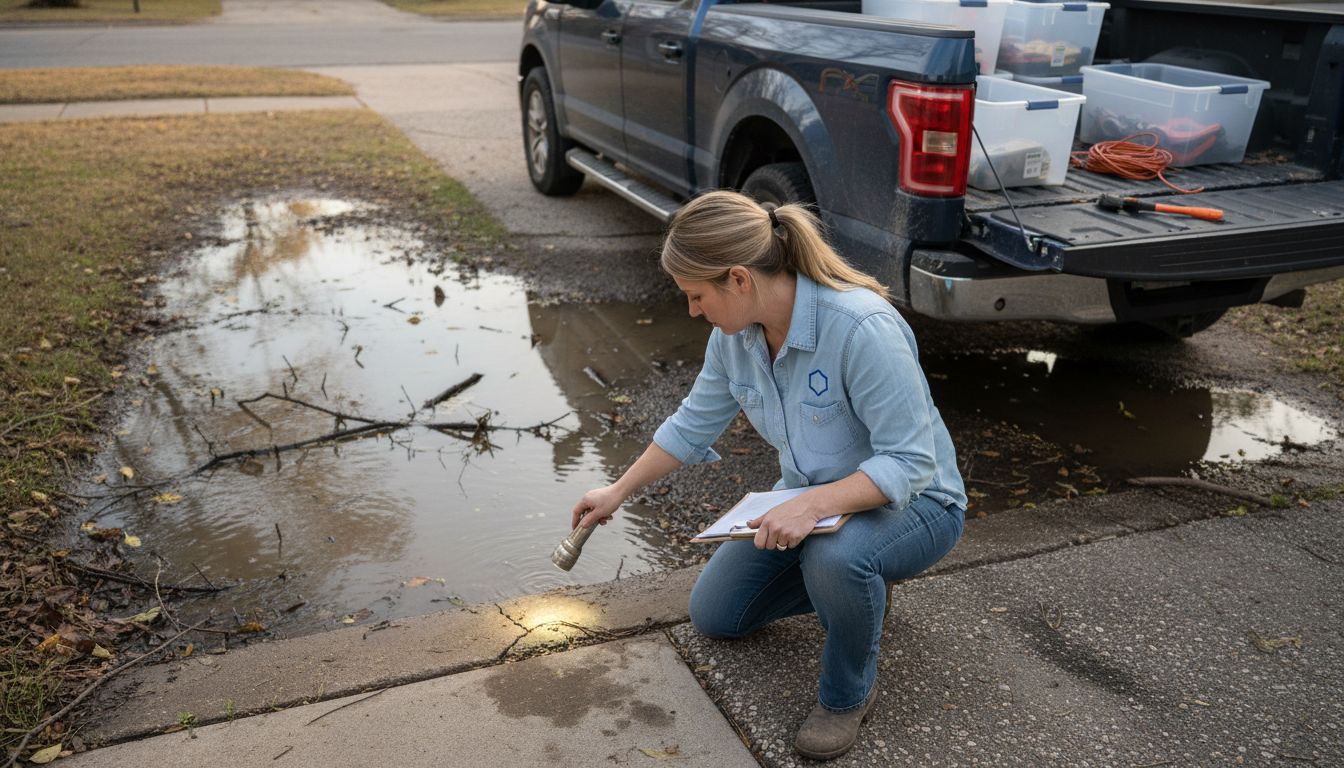
Texas properties in metropolitan areas like Dallas and Austin frequently present unique forensic challenges related to rapid urban development and varied geological conditions. Common scenarios include structural damage from underground pipe leaks, soil subsidence, thermal expansion in commercial and residential buildings, and complex foundation problems associated with the region’s reactive clay soils. Forensic structural analysts must carefully document and analyze these intricate issues, providing expert assessments that can determine liability, recommend repair strategies, and potentially support legal proceedings.
Additionally, rural and suburban Texas properties present their own set of investigative challenges. Wooden structures susceptible to termite damage, barns and agricultural buildings experiencing wind or storm-related structural stress, and older homes with outdated construction methods require specialized forensic techniques. These investigations often involve detailed historical research, material analysis, and advanced diagnostic technologies to uncover underlying structural vulnerabilities that might not be immediately apparent during standard visual inspections.
Legal Responsibilities And Liability Issues
Forensic structural analysis in Texas involves complex legal responsibilities that extend far beyond simple technical assessment. Investigating professional standards and potential negligence becomes critical in determining liability and protecting the interests of property owners, contractors, and engineering professionals across the state.
Legal liability in forensic structural investigations hinges on several key factors, including professional competence, documentation accuracy, and adherence to established engineering standards. Texas courts carefully examine the depth and quality of forensic analyses, considering whether professionals conducted thorough investigations, maintained appropriate documentation, and provided objective, scientifically sound assessments. Forensic structural analysts can be held legally responsible for overlooking critical structural vulnerabilities, providing misleading reports, or failing to identify potential safety risks that could lead to property damage or personal injury.
The Texas Forensic Science Commission plays a pivotal role in establishing and maintaining professional accountability. This regulatory body monitors forensic practices, investigates potential misconduct, and ensures that forensic professionals meet rigorous standards of professional conduct. Legal implications can be significant, ranging from professional sanctions and potential license revocation to civil liability and potential criminal charges in cases of extreme negligence or intentional misrepresentation.
For property owners and stakeholders, understanding these legal complexities is crucial. Forensic structural reports can serve as critical evidence in insurance claims, real estate disputes, construction defect litigation, and personal injury cases. The potential financial and legal consequences of a poorly conducted forensic investigation can be substantial, underscoring the importance of engaging qualified, experienced professionals who understand both the technical and legal dimensions of structural analysis in Texas.
Costs, Documentation, And What To Avoid
Navigating the financial and procedural landscape of forensic structural analysis requires careful planning and strategic decision-making. Comprehensive documentation practices are critical for ensuring accurate, defensible investigations that protect both property owners and forensic professionals from potential legal complications.
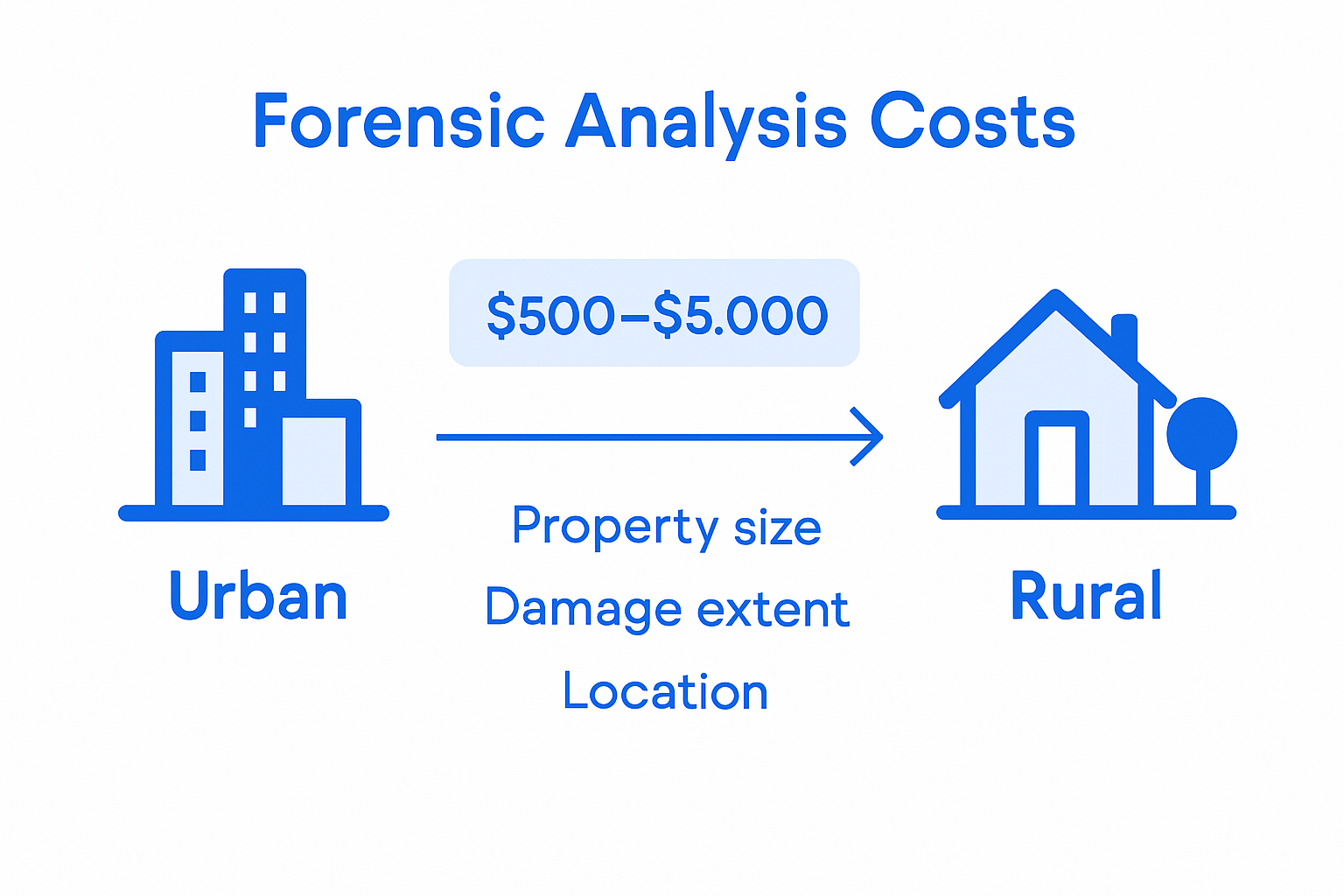
Typical costs for a forensic structural analysis in Texas can range from $500 to $5,000, depending on the complexity of the investigation, property size, and required diagnostic techniques. Comprehensive documentation represents a crucial investment that can significantly mitigate future financial risks. Property owners should expect detailed reports including photographic evidence, material analysis, computational modeling, and precise measurements. Critical documentation elements include original site photographs, material sample reports, diagnostic test results, historical construction records, and detailed expert assessments that can withstand potential legal scrutiny.
Professionals recommend avoiding several common pitfalls that can compromise the integrity of a forensic structural investigation. These include selecting unqualified investigators, failing to maintain chain of evidence, neglecting to document all findings comprehensively, and rushing through investigative processes. Successful forensic structural analyses require methodical approaches, advanced technological tools, and rigorous adherence to professional standards. Investigators must maintain objectivity, avoid speculation, and provide scientifically verifiable assessments that can serve as reliable evidence in potential legal proceedings.
Additionally, property owners and stakeholders should understand that cost variations depend on multiple factors. Urban areas like Houston and Dallas might have higher investigation costs due to complex geological conditions, while rural properties might require specialized travel and assessment techniques. Requesting detailed scopes of work, comparing multiple professional assessments, and understanding the specific diagnostic methods proposed can help manage expectations and control overall investigation expenses.
Protect Your Texas Property With Expert Forensic Structural Analysis
Understanding the risks and legal impacts of structural failures is critical for Texas property owners, contractors, and legal professionals. This article highlights key challenges such as liability determination, environmental damage, and complex structural vulnerabilities unique to Texas. If you need precise forensic investigations or thorough structural inspections that stand up to legal scrutiny, our licensed engineers bring unmatched expertise in identifying root causes and providing actionable solutions.

Don’t compromise on the safety or legal standing of your property. Explore our detailed forensic engineering services and residential or commercial inspections in the TLE Archives – Texas Licensed Engineers | Residential & Commercial to see how we address problems from foundation issues to flood damage. For a comprehensive approach that protects your investment and peace of mind, trust the professionals at Texas Licensed Engineers. Contact us today to take the first step towards a safer, compliant property.
Frequently Asked Questions
What is forensic structural analysis?
Forensic structural analysis is a specialized engineering discipline focused on investigating building failures, assessing damage mechanisms, and determining potential legal implications related to structural integrity.
What methods are used in forensic structural analysis?
Common methods include Mechanics of Materials Analysis, Finite Element Analysis (FEA), nondestructive testing techniques, and advanced diagnostic technologies that allow engineers to assess structural integrity without causing additional damage.
What are the typical scenarios that require forensic structural analysis in Texas?
Typical scenarios include foundation issues due to expansive clay soils, damage from natural disasters like hurricanes, structural damage from underground pipe leaks, and challenges related to older construction methods in rural properties.
What legal responsibilities do forensic structural analysts have in Texas?
Forensic structural analysts must adhere to professional standards, ensure accurate documentation, and provide scientifically sound assessments. They can be held liable for overlooking critical vulnerabilities or providing misleading reports that impact property owners and stakeholders.
Recommended
- Structural Analysis: Everything You Need to Know – FloridaLicensedEngineers.com
- Forensic Investigation in Construction: Complete Guide – FloridaLicensedEngineers.com
- When to Call an Engineer in Texas – Protect Your Property – Texas Licensed Engineers | Residential & Commercial
- Complete Guide to the Role of Forensic Engineering – FloridaLicensedEngineers.com
