
When to Call an Engineer in Texas – Protect Your Property
Over 80 percent of American property owners in Texas rely on engineers to prevent costly structural failures and protect their investments. In a state where shifting clay soils and frequent storms threaten both homes and businesses, the expertise of a licensed professional becomes vital. This guide breaks down exactly how Texas Licensed Engineers shield property owners from hidden risks, guide complex projects, and provide the technical assurance every American investor needs for long-term peace of mind.
Table of Contents
- Defining The Engineer’s Role In Texas Projects
- Types Of Engineering Services For Property Owners
- Key Triggers: Issues That Require Engineering Expertise
- Texas Laws And Permitting For Engineering Work
- Risks Of Delaying Or Avoiding Engineering Help
- Common Missteps When Not Consulting An Engineer
Key Takeaways
| Point | Details |
|---|---|
| Importance of Licensed Engineers | Texas Licensed Engineers ensure property safety through comprehensive assessments and compliance with local regulations. |
| Scope of Engineering Services | Engineering services range from structural evaluations to advanced diagnostic techniques that protect property investments. |
| Risks of Delaying Engineering Help | Ignoring structural issues can lead to costly repairs and safety hazards, making early professional assessment crucial. |
| Common Missteps | Property owners often underestimate structural complexities, which can result in significant financial and safety risks without proper engineering consultation. |
Defining the Engineer’s Role in Texas Projects
Engineers in Texas play a critical role in protecting property and ensuring structural integrity across residential and commercial projects. These licensed professionals provide comprehensive expertise that goes far beyond simple construction oversight. From foundational assessments to complex structural analysis, Texas Licensed Engineers serve as technical guardians who validate safety, compliance, and quality for property owners.
A civil engineer’s responsibilities typically encompass several key technical domains. These include conducting detailed structural inspections, developing precise construction plans, preparing accurate site and floor plans, performing complex engineering calculations, and providing forensic investigations for potential property damage scenarios. Their work often involves examining critical infrastructure elements like foundations, drainage systems, grading, and potential environmental risks that could compromise property value or safety.
Specifically in Texas, licensed engineers must navigate unique geographical and regulatory challenges. The state’s diverse terrain – ranging from expansive clay soils in urban areas to challenging coastal environments – demands specialized knowledge. Professional engineers must understand local building codes, soil mechanics, flood zone regulations, and potential environmental stress factors that could impact structural performance. Their technical assessments help property owners make informed decisions, preventing potential costly repairs and ensuring long-term property resilience.
The professional engineer’s toolkit includes advanced diagnostic techniques and sophisticated measurement technologies. They utilize specialized equipment for structural assessments, ground penetrating radar, laser scanning, and computational modeling to provide precise evaluations. By combining technical expertise with comprehensive local knowledge, Texas licensed engineers transform complex technical challenges into actionable insights that protect property owners’ most significant investments.
Types of Engineering Services for Property Owners
Property owners in Texas have access to a diverse range of specialized engineering services designed to protect and optimize their real estate investments. Residential engineering services encompass critical assessments and evaluations that address structural integrity, safety, and potential risk mitigation. These comprehensive services go beyond basic inspections, providing property owners with detailed technical insights and actionable recommendations.
Residential engineering services typically include several key technical domains that address different property challenges. These specialized services range from foundational assessments and structural evaluations to drainage system analyses and environmental risk assessments. Engineers conduct meticulous examinations of critical infrastructure elements, including:
- Structural integrity inspections
- Foundation condition assessments
- Drainage and grading evaluations
- Site plan and floor plan development
- Flood damage forensic investigations
- Construction plan preparation
- Detailed engineering calculations
Professional engineers bring advanced diagnostic capabilities to property assessments, utilizing sophisticated technologies that provide precise and comprehensive evaluations. Engineering consultants offer critical insights that help property owners make informed decisions about maintenance, renovation, and potential risk mitigation. Their technical expertise covers complex scenarios such as soil mechanics, potential structural weaknesses, environmental stress factors, and compliance with local building regulations.
The comprehensive nature of engineering services extends beyond traditional inspections. Texas licensed engineers provide nuanced assessments that protect property owners from potential costly repairs and structural failures. By combining advanced measurement technologies like ground-penetrating radar, computational modeling, and laser scanning, these professionals transform technical challenges into clear, actionable recommendations that safeguard property investments and ensure long-term structural resilience.
Key Triggers: Issues That Require Engineering Expertise
Property owners in Texas must recognize specific warning signs that demand professional engineering intervention. Critical structural issues can emerge unexpectedly, potentially compromising property safety and value if left unaddressed. Certain scenarios require immediate engineering expertise to prevent extensive damage and mitigate potential financial risks.
Professional project engineers identify several key triggers that necessitate comprehensive technical assessment. These critical scenarios include:
- Visible foundation cracking or shifting
- Significant drainage or water runoff problems
- Structural damage from natural disasters
- Suspected soil instability or erosion
- Unusual structural settling or movement
- Pre-construction site evaluation requirements
- Complex renovation or expansion projects
Engineering professionals utilize advanced diagnostic techniques to evaluate potential structural risks. Civil engineering project coordinators understand that early detection of structural anomalies can prevent catastrophic failures. Texas properties face unique environmental challenges, including expansive clay soils, extreme weather conditions, and geological variations that can rapidly compromise structural integrity.

The complexity of engineering assessments extends beyond visual inspections. Professional engineers employ sophisticated technologies like ground-penetrating radar, thermal imaging, and computational modeling to uncover hidden structural risks. Their comprehensive approach transforms potential structural threats into manageable solutions, providing property owners with actionable insights that protect their most significant investments and ensure long-term structural reliability.
Texas Laws and Permitting for Engineering Work
Engineering projects in Texas are governed by a complex framework of state regulations designed to ensure public safety, structural integrity, and professional accountability. Professional engineering licensing represents a critical component of this regulatory landscape, establishing stringent standards that protect property owners and communities from potential structural risks and substandard construction practices.
Engineer project coordinators must navigate a multifaceted legal environment that includes several key regulatory requirements:
- Mandatory professional engineer (PE) licensing
- Strict building code compliance
- Detailed project documentation standards
- Comprehensive site inspection protocols
- Specific permitting requirements for different project types
- Adherence to local municipal and state regulations
- Mandatory professional liability insurance
Texas Engineering Practice Act establishes rigorous guidelines for engineering professionals, requiring comprehensive documentation, technical competence, and strict adherence to safety standards. Engineers must maintain active licenses through the Texas Board of Professional Engineers, which involves continuous professional education, periodic renewal, and demonstrating ongoing technical competence in their specific engineering discipline.
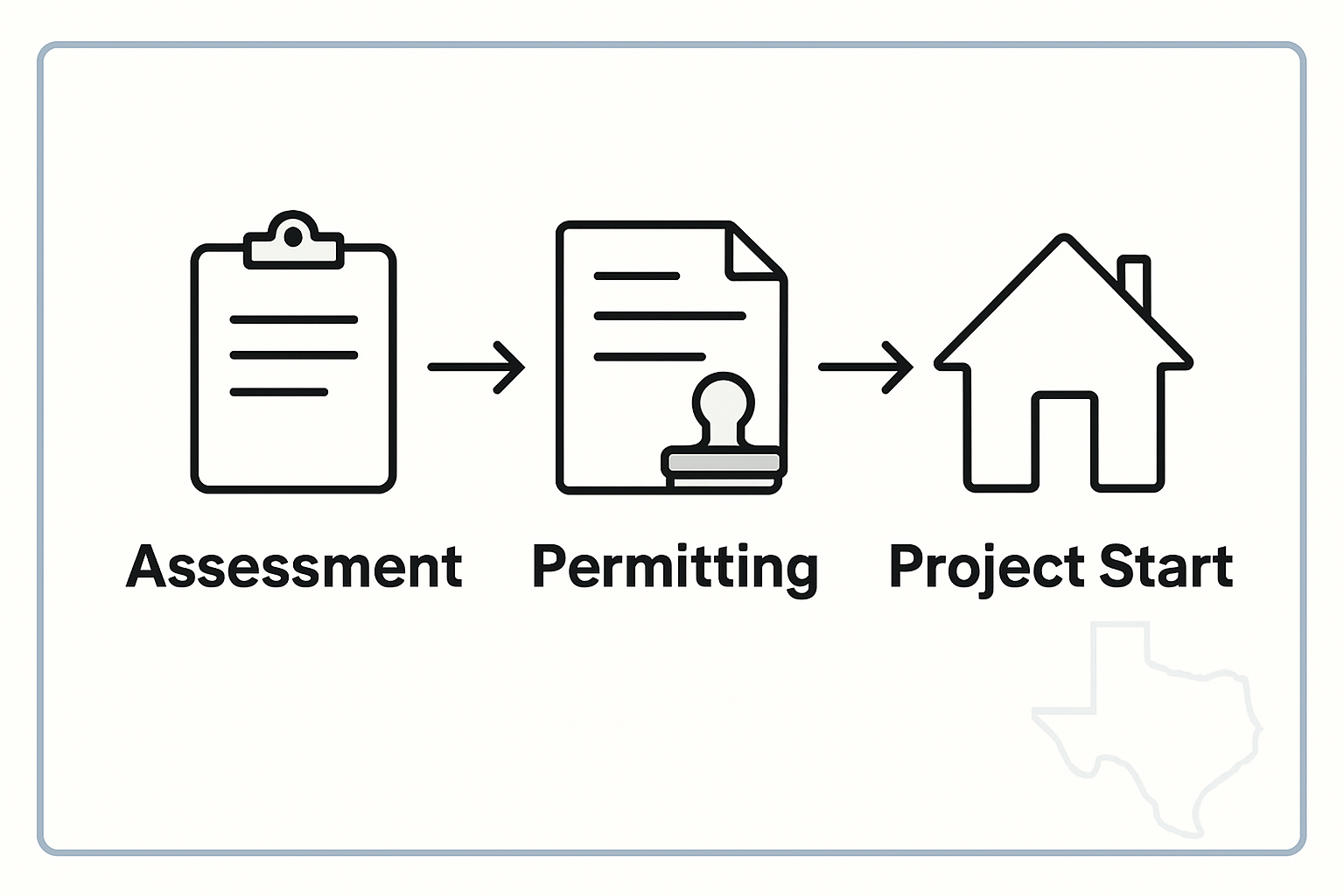
The permitting process in Texas involves multiple layers of review and approval, depending on the project’s complexity and location. Professional engineers must submit detailed plans that demonstrate compliance with local building codes, zoning regulations, environmental standards, and structural safety requirements. This comprehensive approach ensures that every engineering project undergoes thorough scrutiny, protecting property owners from potential legal and structural complications while maintaining the highest standards of professional engineering practice.
Risks of Delaying or Avoiding Engineering Help
Ignoring potential structural issues can lead to catastrophic and expensive consequences for property owners in Texas. Structural vulnerabilities can rapidly escalate from minor concerns to major financial disasters, transforming what might have been a simple repair into a complex and costly reconstruction project. The initial cost of professional engineering assessment pales in comparison to the potential long-term expenses of unaddressed structural problems.
Project engineers identify several critical risks associated with delaying professional engineering intervention:
- Exponential repair cost increases over time
- Potential structural failure
- Compromised property safety
- Reduced property market value
- Insurance claim complications
- Legal liability for negligence
- Violation of local building codes
Engineer project coordinators understand that early detection prevents substantial damage. Texas properties face unique environmental challenges like expansive clay soils, extreme weather conditions, and geological variations that can rapidly compromise structural integrity. Undetected foundation shifts, drainage issues, or structural weaknesses can lead to progressive damage that becomes increasingly expensive and complex to resolve.
The financial and safety implications of avoiding professional engineering help extend far beyond immediate repair costs. Structural problems can create dangerous living conditions, dramatically reduce property values, and potentially render a property uninhabitable. Professional engineers provide comprehensive assessments that not only identify current issues but also predict potential future structural challenges, offering property owners a proactive approach to maintaining their most significant investment.
Common Missteps When Not Consulting an Engineer
Property owners frequently underestimate the complexity of structural assessments, leading to potentially devastating construction and renovation mistakes. DIY approaches or relying on unqualified professionals can create hidden risks that compromise property safety, structural integrity, and long-term value. These missteps often emerge from misunderstanding the intricate technical requirements of proper engineering evaluations.
Project engineers consistently identify several critical missteps property owners make when avoiding professional engineering consultation:
- Assuming visual inspections are sufficient
- Underestimating foundation complexity
- Ignoring soil condition variations
- Skipping comprehensive site assessments
- Attempting unpermitted structural modifications
- Overlooking drainage and environmental factors
- Disregarding local building code requirements
Engineer project coordinators recognize that seemingly minor oversights can lead to significant structural vulnerabilities. Texas properties face unique environmental challenges, including expansive clay soils, extreme weather conditions, and geological variations that require specialized technical expertise. Homeowners who attempt complex structural work without professional guidance risk creating long-term damage that can dramatically reduce property value and create potential safety hazards.
The financial consequences of these missteps extend far beyond immediate repair costs. Unprofessional interventions can invalidate home insurance policies, create legal liabilities, and potentially render a property unmarketable. Professional engineers provide comprehensive assessments that identify potential risks, ensure code compliance, and offer strategic recommendations that protect property owners from costly mistakes and structural failures.
Protect Your Texas Property with Trusted Engineering Experts
When unexpected foundation cracks or drainage issues threaten your home’s safety or your commercial project’s success, professional guidance becomes essential. This article highlights the risks of delaying engineering help and the critical structural challenges Texas property owners face every day. Avoid costly repairs and legal complications by acting early with expert assessment and local code compliance.

Take control of your property’s future today with Texas Licensed Engineers, specializing in residential and commercial solutions tailored for Houston, Austin, Dallas, San Antonio, and beyond. Explore Uncategorized Archives – Texas Licensed Engineers | Residential & Commercial to learn how trusted engineering services make a difference. Visit https://texaslicensedengineers.com now to schedule an inspection or consultation and protect your investment with confidence.
Frequently Asked Questions
When should I call an engineer for my property?
You should call an engineer if you notice visible foundation cracking, significant drainage issues, or if there are unusual structural movements. These issues can indicate underlying problems that require professional assessment to prevent further damage.
What types of assessments do engineers conduct?
Engineers conduct various assessments including structural integrity inspections, foundation condition assessments, and drainage evaluations. They also prepare construction plans and perform forensic investigations for potential property damage scenarios.
Why is it important to hire a licensed engineer?
Hiring a licensed engineer is crucial because they are trained to navigate complex building codes and regulations, ensuring compliance and safety. Their expertise helps identify risks that untrained individuals might overlook, protecting your investment and safety.
What are the risks of not consulting an engineer?
Neglecting to consult an engineer can lead to severe structural issues, increased repair costs, and reduced property market value. It can also result in legal liabilities and safety hazards for occupants due to unresolved structural vulnerabilities.
Recommended
- Locations – Texas Licensed Engineers | Residential & Commercial
- Texas Licensed Engineers | Residential & Commercial Texas Licensed Engineers
- Greater Houston – Texas Licensed Engineers | Residential & Commercial
- Greater Dallas – Texas Licensed Engineers | Residential & Commercial
- Emergency HVAC Services Explained: Essential Benefits
